Car seat rules in Australia are really important for keeping kids safe when they are in a car. These rules are carefully made to protect children from getting hurt if a car crash happens. In this guide, we will talk about the details of the car seat rules in Australia, including the different kinds of car seats, rules about age and size, and what happens if you don’t follow the rules. The information in this article is about the car seat rules in 2023.
- Legally Approved Child Restraints in Australia
- Age and Size Guidelines
- Legal Requirements for Child Restraints
- Specifics of Child Car Seats
- Choosing the Correct Child Car Seat
- Special Considerations
- Exceptions and Special Cases
- Why Child Car Seats Over Adult Seatbelts?
- Can I use an ISOFIX-compatible car seat in Australia?
- Resources and Further Reading
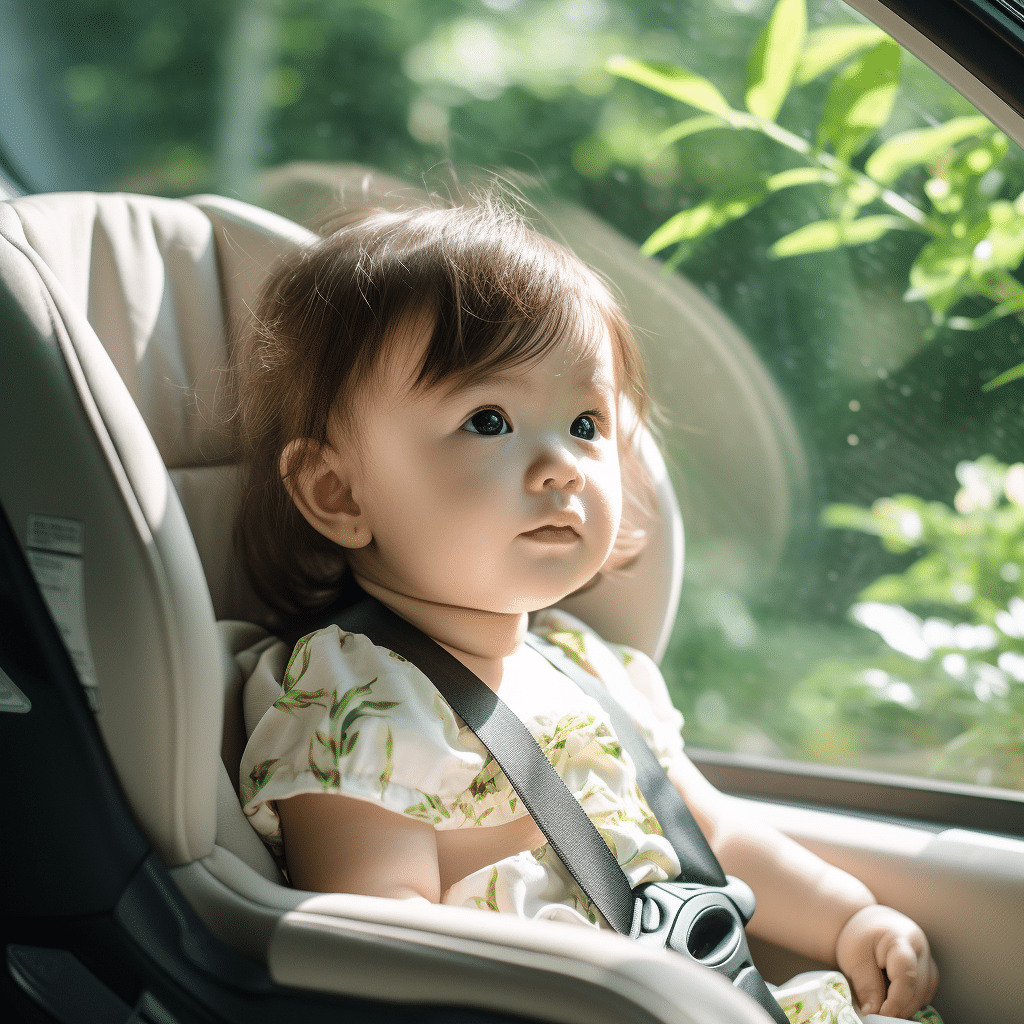
Legally Approved Child Restraints in Australia
Australia mandates a range of child restraints, each tailored to specific age groups and child sizes. To ensure the safety of children while traveling, parents and caregivers must comprehend these categories.
- Rearward-Facing Baby Capsules: Babies up to the age of six months or until they surpass the weight limit designated by the manufacturer should be secured in rearward-facing baby capsules. These capsules provide essential protection, particularly for a newborn’s delicate neck and spine.
- Convertible Rearward-Facing and Forward-Facing Seats: Convertible seats are versatile and adaptable, accommodating both rearward and forward-facing positions. They are suitable for children up to approximately four years old, or until the child surpasses the height or weight limits stipulated by the manufacturer.
- Forward-Facing Child Seats: For children aged four to seven years old, forward-facing child seats are the appropriate choice. These seats offer upper body protection in the event of an accident.
- Booster Seats: Children between seven and twelve years old should occupy booster seats. These seats elevate the child’s seating position, ensuring that the vehicle’s seatbelt fits them correctly.
Age and Size Guidelines
Australian child seat laws rely on the age and size of the child, providing a more precise approach compared to age alone. This approach accounts for variations in size and weight among children of the same age, maximizing safety.
Legal Requirements for Child Restraints
What car seat is legally required for my child?
Children under the age of 7 must use an approved child restraint when traveling in a vehicle. This can be a rear-facing child car seat, forward-facing child car seat with an inbuilt harness, or a booster seat.
When can my children legally travel without a car seat?
Children over the age of 7 who are at least 145cm tall can legally travel without a child restraint. However, experts still recommend that children under the age of 16 use a booster seat or adult seatbelt.
Do you need a child car seat in a taxi, minicab, or Uber?
Yes, you need to use a child restraint in a taxi, minicab, or Uber if your child is under the age of 7.
Specifics of Child Car Seats
What are the legal requirements for rear-facing car seats?
Children up to the age of 6 months must use a rear-facing child car seat. Rear-facing child car seats are the safest type of child restraint for young children, as they protect their heads and necks in the event of a crash.
What are the legal requirements for forward-facing car seats?
Children aged between 6 months and 4 years must use either a rear-facing child car seat or a forward-facing child car seat with an inbuilt harness. Young children can also use forward-facing child car seats with an inbuilt harness safely, but they should not use them until they are strong enough to sit up on their own without support.
Choosing the Correct Child Car Seat
What is the correct child car seat?
The correct child car seat for your child will depend on their age, height, and weight. It is important to choose a child restraint that is approved to the Australian/New Zealand Standard AS/NZS 1754.
Height-based or weight-based car seats?
You can find both height-based and weight-based child car seats. Height-based car seats have a design intended for use until your child reaches a specific height, whereas weight-based car seats are designed for use until your child reaches a specific weight.
Special Considerations
Child car seat law by age
- Up to 6 months: Rear-facing child car seat
- 6 months to 4 years: Rear-facing child car seat or forward-facing child car seat with an inbuilt harness
- 4 to 7 years: Forward-facing child car seat with an inbuilt harness or booster seat
Children with disabilities or medical conditions
Children with disabilities or medical conditions may require special child restraints. If uncertain about the appropriate child restraint for your child, consult your doctor or a child safety expert.
Exceptions and Special Cases
Do minibus or coach firms need to provide child car seats?
Minibus and coach firms are not obligated to provide child car seats. However, they must permit you to use your own child restraint.
Other exceptions to the child car seat law
There are exceptions to child car seat laws in Australia:
- Children being transported in an ambulance or other emergency vehicle
- Children in a vehicle used for agricultural or forestry work
- Children in a vehicle used for religious or cultural purposes
Why Child Car Seats Over Adult Seatbelts?
Adult seatbelts are not designed to fit children properly. Children are smaller and weaker than adults, and they are more likely to be injured in a crash if they are not properly restrained.
Can I use an ISOFIX-compatible car seat in Australia?
Yes, ISOFIX-compatible car seats are permitted in Australia. ISOFIX is a standardized system for attaching child car seats to vehicles, considered the safest way to secure child car seats.
Additional Tips for Child Car Seats
In addition to adhering to the legal requirements, ensure safety by following these tips:
- Properly install the child car seat as per the manufacturer’s instructions.
- Adjust the child car seat for a snug fit on your child.
- Regularly inspect the child car seat for wear and tear.
- Replace the child car seat every 6-7 years or earlier if damaged.
By adhering to Australia’s child seat laws and making informed choices regarding the type of restraint your child needs, you can significantly enhance their safety during car journeys. Remember, safety should always be the top priority when it comes to the youngest members of our families.
Resources and Further Reading
For more detailed information on child seat laws in Australia and child passenger safety, consider exploring the following resources:
Kidsafe Australia
Kidsafe is a valuable resource for child safety information, including child car seats, home safety, and injury prevention.
Australian Government – Child Car Seats
The Australian Government’s product safety website contains helpful information on child car seats and recalls.
Child Restraint Evaluation Program (CREP)
CREP provides independent safety ratings for child car seats, helping you make informed choices.

Growing up I was a carefree male going about life like there was no tomorrow. Naturally, I ‘grew’ up, settled down and started a family.
Going from an independent carefree male to a family man was somewhat of a U-turn and required a lot of learning. Luckily for me, my wife works in education and has always been the shining light always ahead of me on all factors kids related.
Initially, my wife didn’t have a driving license (luckily this has now changed and it does make life easier), and all things car related were my task. Child locks were the obvious starting point which lead me down a rabbit hole.
So far we have personally tested dozens of convertible car seats and have owned five despite neither of our kids having reached the age of 5! Simply put, a car seat can be great on paper, work great on trying out but can fail on you in real life.
This is why I have put together this website – to help inform and educate you!
Of course, as I mentioned above, at the end of the day your experience will be the best test so I’d love to hear your experiences and feedback in the comments.
To contact me personally, please do so through my contact page.
I look forward to hearing from you!
Peter
P.S. If you click a link on my site and end up buying a car seat on Amazon, I’ll get paid a small commission (or as the Amazon lawyers put it: “As an Amazon Associate I earn from qualifying purchases”)
Leave a Reply