Our Top Recommendations
Bringing your newborn home from the hospital is a magical and exciting time, but before you bring them home, you need to find the best convertible car seat for your newborn - a seat that's appropriate to transport them and will hopefully last for (at least) the first few years of their life.
With so many models out there, how do you find the appropriate one?
No problem! In this article, we review the top-rated car seats for newborns:
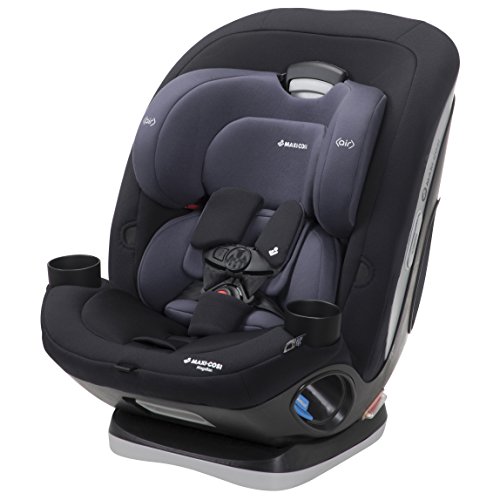
- Best overall convertible car seat for newborns: Maxi-Cosi Magellan All-in-One
- Best convertible car seat for tall babies: Diono Rainier 2AX
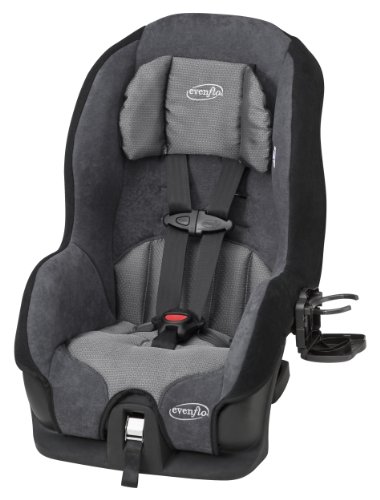
- Best lightweight convertible car seat for newborns: Evenflo Tribute
- Best budget convertible car seat for newborns: Safety 1st Continuum
We also cover a few frequently asked questions about hospital regulations for transporting your newborn in a car seat, and how to narrow your car seat choices down.
Let’s get into it!
At a Glance: Best Convertible Car Seat for Newborns
Image | Name | Length | Width | Height | Weight | Best For | Header |
|---|---|---|---|---|---|---|---|

| Maxi-Cosi Magellan | 24.88" | 19.56" | 24.63” | 25 lbs | 10 Years of Adventure | |
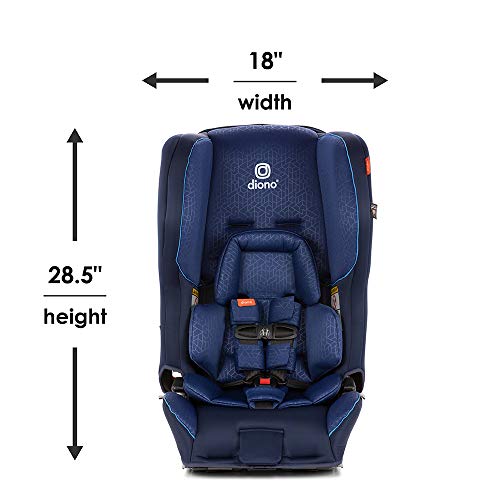
| Diono Rainier 2AX | 15.65” | 17.75" | 28.25” | 27.6 lbs | Tall Babies | |

| Evenflo Tribute 5 | 18.5" | 22" | 25.5" | 9.29 lbs | Side Impact Test Standard | |

| Safety 1st Continuum | 24" | 19" | 23.8" | 6.35 lbs | Budget-friendly |
Top Picks
Best Convertible Car Seat for Newborns (Overall)
Maxi-Cosi Magellan | |
|---|---|
Height | 24.88" |
Width | 19.56" |
Depth | 24.63” |
Weight | 25 lbs |
The Bottom Line:
What makes the Maxi-Cosi Magellan 5-in-1 car seat so unique is that it’s specifically designed to grow with your baby. Also, it’s enhanced with features that are meant to make your baby’s car seat journey comfortable and safe. If you’re bringing your newborn home and you want a car seat that is high-quality, safe and secure, and puts your child’s comfort first, the Magellan is the car seat for you.
While there are other car seats that are engineered to grow with your little one, the Magellan is one of the few models that allows you to adjust the torso height. This car seat goes above and beyond to ensure that your child remains comfortable in every stage. Plus, the Magellan 5-in-1 gives you 10 whole years of comfort and security, so you won’t have to stress yourself out looking for another car seat.
All in all, if you want a car seat that strives to keep your baby cozy and secure, that’s easy to use and install, and will grow as your child does, then the Magellan 5-in-1 convertible car seat is where it’s at.
Pros & Cons of the Maxi-Cosi Magellan 5-in-1
Pros
Cons
Maxi-Cosi Magellan 5-in-1 Safety Features
The safety ratings provided by the NHTSA are as follows:
The Magellan 5-in-1 is manufactured with a patented Air Protect Side Impact Protection System built into the headrest to minimize the impact force of a car crash.
This system also provides an added level of comfort to your child’s car seat experience. The Magellan 5-in-1 does NOT have an energy-absorbing base or a metal frame, but it’s equipped with other safety features that give your child the ultimate security and protection.
Maxi-Cosi Magellan 5-in-1 Ease of Installation
The Magellan 5-in-1 measurements are listed below.
There are 14 harness/headrest positions included in the Magellan 5-in-1 that allow you to create a customized fit for your growing child. In addition to this, the Magellan 5-in-1 comes with an easy-to-use adjustable torso with 3 torso heights.
To make clean-up go by quickly and easily, the Magellan is outfitted in premium fabrics that are machine-washable and dryer safe.
Here's a short video that will demonstrate how to properly install your Maxi-Cosi Magellan 5-in-1 convertible car seat.
You can also refer to the product manual for further instructions on how to install your car seat.
Maxi-Cosi Magellan 5-in-1 Longevity
Rear-facing
Forward-facing
Booster
Maxi-Cosi Magellan 5-in-1 Ease of Use
The Magellan 5-in-1 has One-Click LATCH connectors that make installing/uninstalling your car seat easier and quicker. Even with this system, you can still install this car seat using your vehicle seat belt.
The Magellan 5-in-1 does NOT come with a non-rethread harness system which means you will have to re-thread the harness to change the harness height.
Maxi-Cosi Magellan 5-in-1 Comfort & Quality
The Magellan 5-in-1 is designed with high-quality fabrics, and it’s well padded to ensure that your little one is always riding comfortably. The side impact protection provides extra padding in the headrest so that your child’s head and neck are constantly snug and supported.
Additionally, The Magellan 5-in-1 is equipped with an easy-to-remove infant insert pillow to add another layer of comfort and luxury. It's also designed with self-wicking fabrics that are breathable and keep your little one cool in every season.
Best Convertible Car Seat for Tall Babies
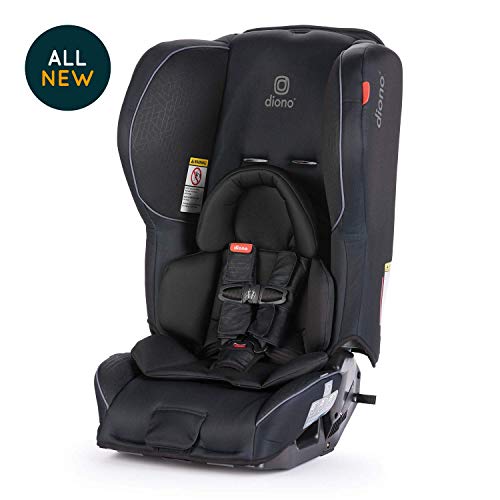
Diono Rainier 2AX | |
|---|---|
Height | 15.65” |
Width | 17.75" |
Depth | 28.25” |
Weight | 27.6 lbs |
The Bottom Line:
Finding a convertible car seat that will seat your baby comfortably can be taxing. If your child is tall, it can be harder to find something that they won’t quickly grow out of. That’s what makes the Diono Rainier 2AX so unique. It can seat children that are up to 57 inches tall which is 3 inches taller than 99% of other car seat models.
The Rainier 2 AX also has as adjustable harness system so that even as your child grows, they’ll always be comfortably buckled in. Additionally, this car seat comes with expandable leg rests so that your growing child has an easy time getting in and out of their car seat.
The Rainier 2AX is engineered to fold-up easily to make storage and traveling simple and time-efficient. It’s also compact enough to fit 3 across in your back seat or free up enough space so you’re other passengers can ride comfortably.
So, if you’re looking for a car seat that has a higher height limit, an easily adjusted harness system, and a compact design to free up car seat space and make traveling easier, then the Diono Rainer 2AX is the car seat for you.
Pros & Cons of the Diono Rainier 2AX:
Pros
Cons
Diono Rainier 2AX Safety Features
The safety ratings provided by the NHTSA are as follows:
The Diono Rainier 2AX is equipped with enhances side impact protection and extra-deep side walls that provide support and superior security for your child’s head and neck. It’s built with a full metal frame and reinforced aluminum side walls to supply top-of-the-line protection for your little one. The Rainier 2AX has an energy-absorbing base that helps to reduce the impact force of a car crash.
Diono Rainier 2AX Ease of Installation
The Rainier 2AX measurements are listed below.
The Diono Rainier is equipped with a 5-point harness that can be easily adjusted to give your little one the most comfortable fit in every car seat position. It’s also fitted with premium plush-knit fabrics that are not only cozy, but they’re machine-washable and dryer safe, making hard-to-clean messes simple and easy to get rid of.
This short video will explain how to properly install your Diono Rainier 2AX car seat.
You can also refer to the product manual for detailed instructions on how to install your car seat.
Diono Rainier 2AX Longevity
Rear-facing
Forward-facing
Diono Rainier 2AX Ease of Use
The Rainier 2AX has a SuperLATCH system to make installation as easy as 1,2,3. There’s an audible-click/visual-locking indicator to help you accurately install your car seat. You can also install your car seat by using your vehicle seatbelt.
The Rainier 2AX does NOT come with a non-rethread harness system, so you have to re-thread the harness to adjust the harness height. This can take a bit of time, but because of the SuperLATCH feature, reinstalling your car seat shouldn’t be too hard.
Diono Rainier 2AX Comfort & Quality
The Rainier 2AX has a decent amount of padding throughout the car seat to ensure that your child is comfy and snug at all times. With enhanced side impact protection, your child will receive more cushion and comfort in the headrest to properly support their head and neck.
To add an extra layer of comfort, the Rainier 2AX is equipped with easy-to-remove tailored infant support cushions. The fabric isn’t very breathable, but your child will still have a cozy ride with the premium fabrics and luxury padding.
Best Lightweight Convertible Car Seat for Newborns
Evenflo Tribute 5 | |
|---|---|
Height | 18.5" |
Width | 22" |
Depth | 25.5" |
Weight | 9.29 lbs |
The Bottom Line:
If you want a car seat that’s lightweight, inexpensive, and has been thoroughly tested to ensure that’s safe, then look no further.
One of the unique features that sets the Evenflo Tribute LX apart from other models, is its super lightweight design. This car seat only weighs a little over 9 pounds. So, if you’re planning on traveling a lot or going places where you must carry your baby around for a long period of time, then the Tribute LX is just the seat for you.
It’s also one of the cheapest convertible car seats that’s available on the market. A majority of the car seats you’ll find today will run you about $100 to $400. But, with the Tribute LX, you get the same high-quality features and extensive crash tests as those expensive models, and it’s all under $100.
The engineers at Evenflo go above and beyond to ensure that your baby will always be well-protected in their seats. They’re the only brand that I’ve found that conducts crash testing at energy levels that are 2X the Federal safety standard.
With the Evenflo Tribute LX, you won’t strain yourself carrying your car seat from one place to another, and you won’t hurt the bank by investing one. You’ll also receive a car seat that goes the extra mile to guarantee your child’s safety and security.
Pros & Cons of the Evenflo Tribute LX
Pros
Cons
Evenflo Tribute LX Safety Features
The safety ratings provided by the NHTSA are as follows:
The Tribute LX contains side impact protection that’s been specifically tested at crash levels that are 2X the Federal crash test standard. It is NOT equipped with an energy-absorbing base or metal frame, but the extensive crash testing ensure that the Tribute LX will deliver the ultimate protection for your child.
Evenflo Tribute LX Ease of Installation
The Tribute LX measurements are listed below.
The Tribute LX comes with an Up-Front Harness Adjust that provide an easier way to get a snug and accurate fit your child’s harness. There are also 4 harness positions so that your child remains comfortable as they grow and get bigger.
Additionally, The Tribute LX is dressed in machine-washable fabrics that make getting rid of hard-to-remove stains a quick and painless task.
If you need help with installation, this short video will show you how to properly install your Evenflo Tribute LX convertible car seat.
You can also refer to the product manual for instructions on how to install your car seat.
Evenflo Tribute LX Longevity
Rear-facing
Forward-facing
Evenflo Tribute LX Ease of Use
The Tribute LX is LATCH-equipped; this provides an alternate and easier way to install your car seat. You can also install your car seat using your vehicle seatbelt. The Tribute LX is one of the few models that contains a non-rethread harness system - meaning you don’t have to re-thread the harness to adjust its height. This will save you time and energy in the long run as your child gets older.
Evenflo Tribute LX Comfort & Quality
The Tribute LX is adequately padded, so your child will always have a luxurious and comfy ride. Minus the side impact protection, you won’t find any excess padding in the headrest. However, the Tribute LX comes with a removable head pillow that provides comfort and support for your child’s head and neck - even as they grow.
The Polyester materials are soft and breathable, so your child will remain cool and comfortable in every season.
Best Budget Convertible Car Seat for Newborns
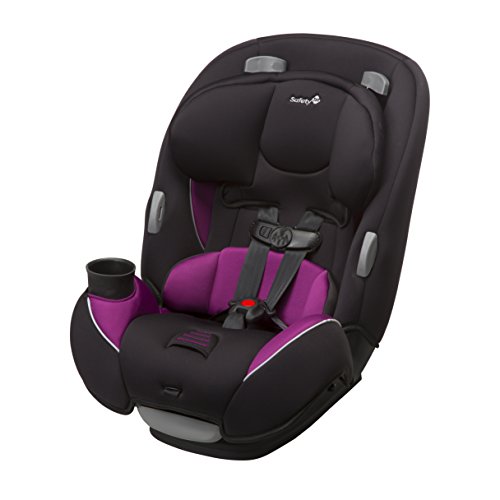
Safety 1st Continuum | |
|---|---|
Height | 24" |
Width | 19" |
Depth | 23.8" |
Weight | 6.35 lbs |
The Bottom Line:
The Safety 1st Continuum 3-in-1 is great because the features you get with this car seat would cost around $200 to $400 in any other model. For this seat, you’ll only pay a little over $100.
These features include multiple recline angles to ensure that the car seat fits comfortably in your car, an infant insert pillow to give your baby a snug ride and a QuickFit harness system that allows you to adjust the harness and headrest at the same time. Additionally, the compact design of the Continuum 3-in-1 not only frees up more room in the back seat, but it also provides up to 7 more inches of legroom for the front seat.
The Safety 1st Continuum 3-in-1 is safe and simple to use, and it provides all the comfort and security that a newborn needs without costing an arm and a leg. So, if you’re looking for a car seat that’s budget-friendly, requires minimal effort to install and use, and is equipped with the same enhanced safety features that you’d find in an expensive car seat, then the Continuum 3-in-1 is the car seat for you.
Pros & Cons of the Safety 1st Continuum 3-in-1
Pros
Cons
Safety 1st Continuum 3-in-1 Safety Features
The safety ratings provided by the NHTSA are as follows:
The Safety 1st Continuum 3-in-1 does have side impact protection to provide an extra layer of support and security for your child’s head and neck. Unlike the other models we’ve reviewed, it doesn’t contain a steel frame or energy-absorbing foam or base.
Safety 1st Continuum Ease of Installation
The Continuum 3-in-1 measurements are listed below.
The Continuum 3-in-1 is equipped with a QuickFit harness that allows you to adjust both the harness and headrest in one simple step. It’s also fitted with a machine-washable seat cover to make clean-up just as easy as adjusting the harness.
Safety 1st Continuum Longevity
Rear-facing
Forward-facing
Booster
Safety 1st Continuum Ease of Use
The Continuum 3-in-1 car seat is equipped with a LATCH system to make installation easy and secure. It’s also compatible with seatbelt installation and contains a no-rethread harness that saves you time when adjusting your child’s harness height position.
Safety 1st Continuum Comfort & Quality
The Continuum 3-in-1 contains a decent amount of padding throughout the car seat to make your child’s experience enjoyable and cozy.
FAQs - Newborns and Car Seats
Both infant and convertible car seats are safe. Convertible car seats in the rear-facing position may be a bit safer for children approaching a year old, but one type isn’t necessarily safer than the other.
Laws regarding taking your baby home from the hospital in a car seat var by state. You can find your states regulations here. However, ALL states require that your baby leaves the hospital in a car seat.
Keeping Your Baby Safe: Installing a Convertible Car Seat for your Infant
How to put a newborn baby in a car seat
Conclusion
As parents, we want nothing more than for our newborn to be safe, especially when they’re traveling from one place to another.
Remember that when looking for a car seat, you’ll want to find something that’ll be a one-time investment, that’s proven to be safe, and that’ll keep your child protected from the moment they leave the hospital.
We’ve reviewed some awesome car seats that are perfect for newborns, so you hopefully you feel more confident and informed on the type of car seat that that’ll be just right for you and your newborn!

Growing up I was a carefree male going about life like there was no tomorrow. Naturally, I ‘grew’ up, settled down and started a family.
Going from an independent carefree male to a family man was somewhat of a U-turn and required a lot of learning. Luckily for me, my wife works in education and has always been the shining light always ahead of me on all factors kids related.
Initially, my wife didn’t have a driving license (luckily this has now changed and it does make life easier), and all things car related were my task. Child locks were the obvious starting point which lead me down a rabbit hole.
So far we have personally tested dozens of convertible car seats and have owned five despite neither of our kids having reached the age of 5! Simply put, a car seat can be great on paper, work great on trying out but can fail on you in real life.
This is why I have put together this website – to help inform and educate you!
Of course, as I mentioned above, at the end of the day your experience will be the best test so I’d love to hear your experiences and feedback in the comments.
To contact me personally, please do so through my contact page.
I look forward to hearing from you!
Peter
P.S. If you click a link on my site and end up buying a car seat on Amazon, I’ll get paid a small commission (or as the Amazon lawyers put it: “As an Amazon Associate I earn from qualifying purchases”)