In this article we cover Safety 1st car seat installation and care, focusing on the best Safety 1st convertible car seats.
Let’s get started!
How long are Safety 1st convertible car seats good for?
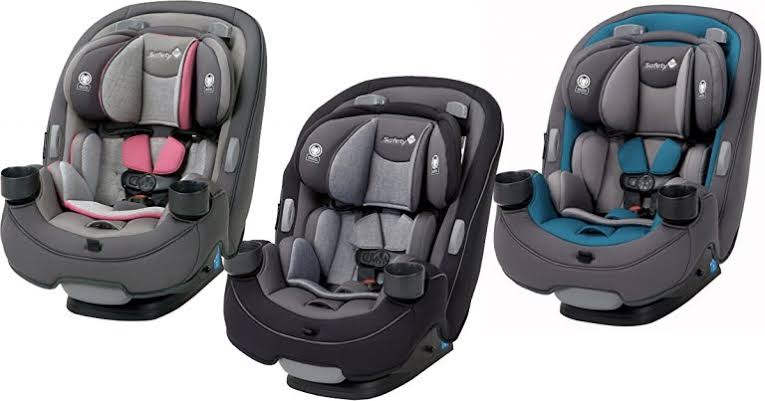
Safety 1st convertible car seats that were manufactured before January 1, 2014 have a 6-year expiration date. The convertible car seats manufactured after January 1, 2014 have a 10-year expiration date. It’s important to note that the Safety 1st restraints on these car seats have a 6 to 10 year expiration date imprinted on them.
Where to find the Safety 1st convertible car seat expiration date?
For most of the Safety 1st convertible car seat models, you can find the expiration date molded into the shell of the car seat. For newer models, you can also find the expiration date in the instruction manual.
Image: Safety 1st expiration format provided by Safety 1st
How to install a Safety 1st convertible car seat: rear-facing?
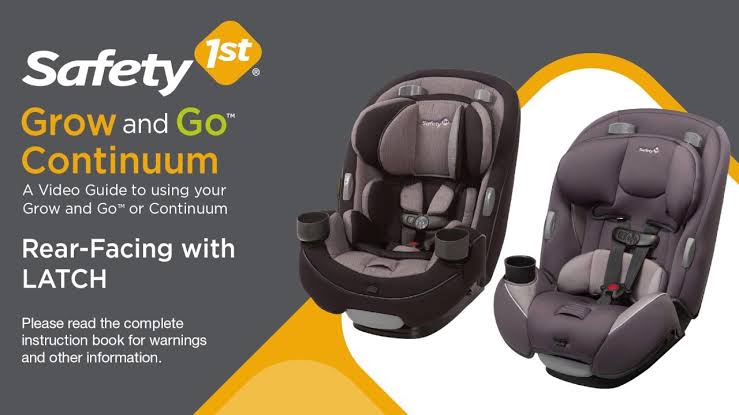
LATCH
Place the car seat at the proper recline angle.
Thread the LATCH belt through the rear-facing belt path.
Attach the LATCH hooks to your vehicle’s lower anchor points.
Press down firmly on the car seat, and pull the LATCH belt to tighten it.
Wiggle the car seat to ensure that it’s installed securely.
If you need more assistance, watch this short video to get a visual aid on how to install your Safety 1st convertible car seat in the rear-facing position using the LATCH system.
Vehicle Seatbelt
Place your car seat at the proper recline angle.
Thread the seatbelt through the rear-facing belt path, and buckle it (make sure it’s in “lock mode”).
Press down firmly on the car seat, and pull the seatbelt to tighten it and remove any excess slack.
Wiggle the car seat to ensure the car seat is installed securely.
For more assistance, check out this short video.
How to install a Safety 1st convertible car seat: forward-facing?
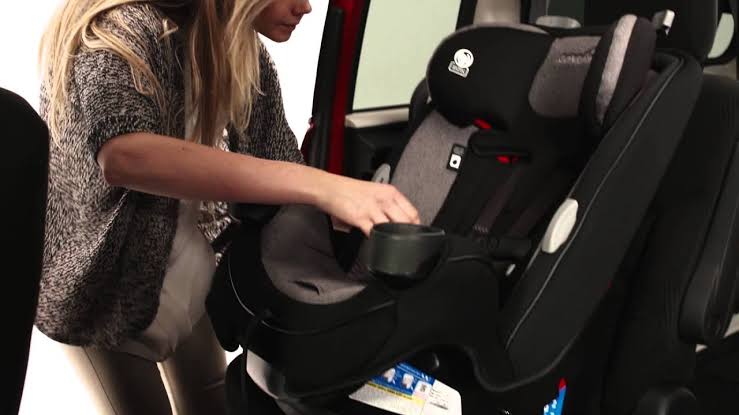
LATCH
Place the car seat in your vehicle and make sure it’s pressed against your vehicle’s seatback.
Loosely attach the top tether to the tether anchor.
Thread the LATCH belt through the rear-facing belt path.
Attach the LATCH hooks to your vehicle’s lower anchor points.
Press down firmly on your car seat, and pull the LATCH belt to tighten it.
Tighten the tether.
Wiggle the car seat to ensure that it’s installed securely.
If you need a visual aid, this video will demonstrate how to install your car seat in the forward-facing position using the LATCH system.
Vehicle Seatbelt
Place the car seat in your vehicle and make sure it’s pressed against your vehicle’s seatback.
Loosely attach the top tether to the tether anchor.
Thread the vehicle seatbelt through the rear-facing belt path, and buckle it (make sure it’s in “lock mode”).
Press down firmly on the car seat, and pull the seatbelt to tighten it and remove any excess slack.
Tighten the tether.
Wiggle the car seat to ensure that it’s installed securely.
For more assistance, this short video will demonstrate how to install your car seat in the forward-facing position using your vehicle seatbelt.
How to adjust straps on a Safety 1st convertible car seat?
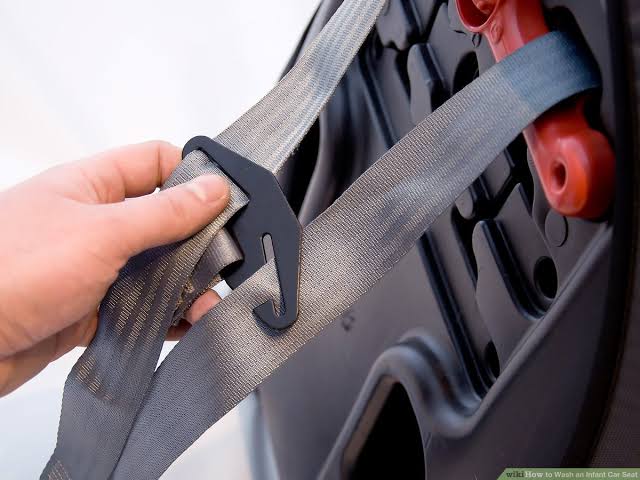
Press down on the metal adjuster under the seat pad.
Pull the harness straps to loosen the harness.
Rotate the QuickFit handles inward.
Lift the headrest to your desired position.
The same video used to demonstrate how to install a Safety 1st convertible seat in the rear-facing position using the LATCH system can be used to teach you how to adjust the harness straps on a Safety 1st convertible car seat.
How to put together a Safety 1st convertible car seat?
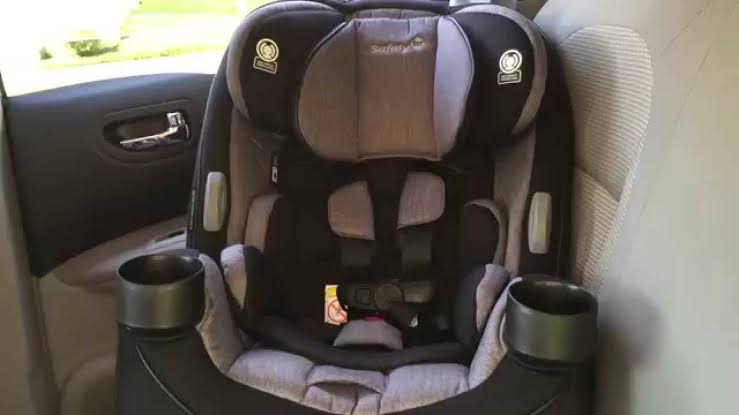
Feed the buckle’s metal retainer through the slot on the seat pad.
Pull firmly on the buckle to make sure it’s secure.
Thread the harness strap through the guide hole on one side of the car seat.
From the bottom of the seat, pull the harness strap down and across the seat.
Thread the harness strap back up into the seat cover. Make sure that the harness straps are equal.
Slide 1 harness guide on each of the harness straps, and press the guides into the hole of the seat pad and shell. Make sure they snap into place
Thread the harness straps through each buckle tongue.
Thread the chest clip.
Thread the harness straps through the slots in the headrest.
Slide the harness straps onto the splitter plate.
This video will show you how to reassemble your Safety 1st convertible car seat.
How to remove a Safety 1st convertible car seat cover for washing?
Raise the adjustable headrest.
Remove the elastic hooks from the plastic clips located around the car seat.
Remove the seat pad.
Undo the elastic straps on the back of the car seat.
Remove the elastic straps from the plastic hooks located underneath the headrest.
Remove the headrest cover.
Remove the seat covers on the side of the car seat.
How to put Safety 1st convertible car seat cover back on?
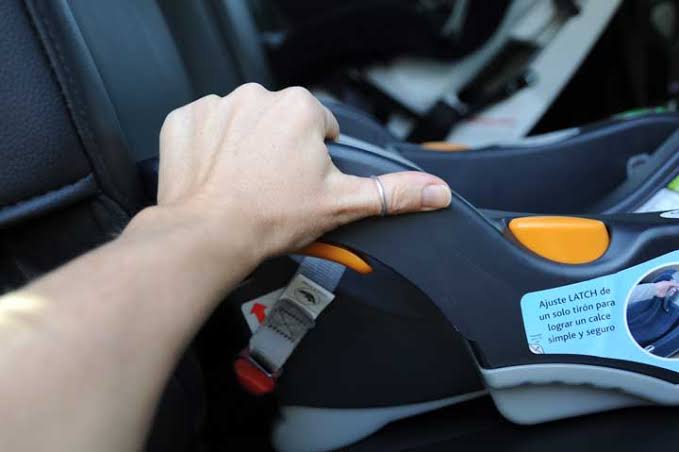
Place the seat covers back on the side of the car seat.
Place the seat cover back on the headrest.
Reattach the elastic hooks on the plastic clips located under the headrest.
Reattach the elastic straps on the plastic hooks on the back of the car seat.
Place the seat pad back on the car seat.
Reattach the elastic hooks to the plastic clips located at the base of the car seat.
Reattach the elastic hooks to the plastic clips located around the car seat.
This video will demonstrate how to remove and replace a Safety 1st convertible seat cover.
How to clean Safety 1st convertible car seat?
According to Safety 1st, if your fabric is machine-washable, wash your car seat cover with cold water on a delicate cycle. Tumble dry for 10 to 12 minutes on low heat. If your fabric isn’t machine-washable, with warm soapy water, and let it air dry. DO NOT stick your padding in the washer and dryer if it’s not machine-washable.
To wash your harness and buckle, use a damp, warm cloth and mild soap. DO NOT use bleach on your materials. Make sure everything is dried off thoroughly before you reinstall your car seat.
Safety 1st Car Seat Manual
Check here for Safety 1st car seat instructions and manual (.pdf).
Safety 1st Car Seat Replacement Parts
Check here for Safety 1st car seat replacement parts information.

Growing up I was a carefree male going about life like there was no tomorrow. Naturally, I ‘grew’ up, settled down and started a family.
Going from an independent carefree male to a family man was somewhat of a U-turn and required a lot of learning. Luckily for me, my wife works in education and has always been the shining light always ahead of me on all factors kids related.
Initially, my wife didn’t have a driving license (luckily this has now changed and it does make life easier), and all things car related were my task. Child locks were the obvious starting point which lead me down a rabbit hole.
So far we have personally tested dozens of convertible car seats and have owned five despite neither of our kids having reached the age of 5! Simply put, a car seat can be great on paper, work great on trying out but can fail on you in real life.
This is why I have put together this website – to help inform and educate you!
Of course, as I mentioned above, at the end of the day your experience will be the best test so I’d love to hear your experiences and feedback in the comments.
To contact me personally, please do so through my contact page.
I look forward to hearing from you!
Peter
P.S. If you click a link on my site and end up buying a car seat on Amazon, I’ll get paid a small commission (or as the Amazon lawyers put it: “As an Amazon Associate I earn from qualifying purchases”)
Leave a Reply