Last Updated: 27th September 2023
So you have a little bundle of joy on the way and you’re strapped for cash. And you know that some things are a necessity – like a safe car seat.
What do you do?
Luckily, nation-wide there exists a wealth of resources, encompassing government schemes, not-for-profit organizations, ecclesiastical assistance, and giveaways that offer free car seats across the USA.
This guide is an invaluable resource, containing links to all the free car seat programs in America diligently collected over numerous hours of research. Check out this comprehensive tool by clicking on your respective state and exploring the most suitable free car seat program for you.
Click on your state in the menu below to find local information, or check out the National Free Car Seat page for national information:
What Car Seat Do You Need? (Video Tutorials)
Free Baby Car Seat Programs in all 50 US States
National Free Car Seats
WIC (Women, Infants, and Children) is the first place to check when looking for a free car seat.
Inquire them about their free car seat program if you are already enrolled in WIC. Most WIC programs require you to take a short class to learn about car seat safety and usage and in return, you get a voucher that can be used to buy a car seat.
If your local WIC doesn’t have such a program, you can ask them about other local programs/charities/places that can help you.
If you are eligible for Medicaid, a free car seat might be covered by it. Check whether you are eligible for receiving Medicaid, especially a car seat – by filling out an online application through the Health Insurance Marketplace website.
Generally, Medicaid asks you to enroll in a short car seat safety course before sanctioning a free car seat.
Courses are typically structured to foster cognizance of car seat usage and their proper installation techniques. Many insurance companies offer free car seats to insured expectant or already new mothers. By reaching out to your insurance provider (via the contact number on your card), they often cover the cost or directly supply the car seat. Other prolific sources of free car seats include local police stations or fire departments, frequently involved in after-accident free car seat giveaways, installation programs and providing referrals to charities. For low-income families, local churches and hospitals also facilitate the no-cost acquisition of car seats.
Buckle up for life has donated 61,858 car seats so far to low-income families.
They work at a national level and collaborate with different organizations at a local level to provide resources, education, and training to parents all over the country.
Families in need, who participate in their child passenger safety classes, qualify to get a free car seat.

Alaska Free Car Seats
Center for Safe Alaskans’ Child Passenger Safety (CPS) Program supports state laws in keeping children safely secured each time they travel in a motor vehicle by promoting car seat and booster seat use.
They also provide car seats to families in financial needs by providing car seats for a small donation.
Mat-Su Services for Children and Adults hold monthly car seat safety checks for the public.
These events are free of charge and provide information about choosing the proper car seat or booster seat for your child along with hands-on instruction about proper installation, correct use, and other factors important to safe car seat usage.
Limited car seats are also available that you can get after completing the training.
At Juneau Police Department, free car seat inspections by Certified Child Passenger Safety Technicians are available by appointment during weekdays. This comprehensive service includes free assistance and evaluation to ensure proper car seat usage, safety and installation. Replacement seats are potentially available for minimum expense, subject to qualification.
The Juneau Police Department is the Southeast Alaska Agency for child booster seats. For more information, please contact 907-586-0600, Officers Kathy Underwood, Jennifer Adams, or Blain Hatch.
Alabama Free Car Seats
Children of Alabama is an amazing organization that strives to provide people with health services choices.
Multiple free outreach programs, including bike helmets ($10 each) and car seats, are at the ready for low-income individuals. Children's of Alabama offer free car seats at the discharge point to the patients lacking them, post basic education acquisition. Huntsville Hospital services AL-Madison County with their free car seat program for Medicaid, WIC, or food stamp beneficiaries. Expecting parents may contact 256-265-7296 to obtain further details.
People living in the area of Decatur, Alabama, can call Committee on Church Cooperation on (256) 355-8893. They help with diapers, clothing, car seats, and much more!
Broad Street Church of Christ is located in Scottsboro, Alabama, and they accept donations of clothes and car seats. They surely will be able to help you with a free new car seat. Talk to them today at 256-574-2489.
Arizona Free Car Seats
Phoenix Union High School District is one of the five district schools in Phoenix, Arizona. They have a wonderful program to distribute free car seats and you can take advantage of it if you live in that part of the Arizona state.
There are some conditions to be met before you can become qualified for the seat. These requirements include being pregnant, Low-income, the legal guardian of the child and get basic safety education.
Arizona Department of Health Services (ADHS) is working hard to make every kid safe in Arizona as more than 12000 kids, among those 0 to 19 years of age, die from unintentional injuries every year.
Through Child Safety Seat Donation Centers, ADHS is distributing car seats from these points.
In Phoenix, you can be on the right side of safety, even if you are on a budget. Some of the resources you can follow include Dear Valley school unified school district’s Child Safety Seats program.
TMC HealthCare serves more than 4,000 children annually. In 2018, TMC and SKPC educated more than 32,000 families and provided free car seats or booster seats to over 2,800 families in Southern Arizona.
In 2019, $30,000 funding from Arizona Governor’s Office of Highway Safety enabled the provision of 600 seats to low-income households.
Arkansas Free Car Seats
Farm Bureau is a union of farmers of Arkansas, and this organization represents more than 19,000 families.
If you are into the farming business, you can become a member of the Farm Bureau and get a car seat for $15 as they have an infant car seat program for low-income members of the bureau.
The University of Arkansas for Medical Sciences' Child Passenger Safety Education Program (CPSE) is aimed at reducing car injuries in the state of Arkansas.
They not only provide free education, installation, and training but also loan out car seats to low-income families.
Arkansas Children’ is another similar organization that loans out car seats to low-income families.
They have a comprehensive program for injury prevention. You can call them at 501-364-3400 and get more information about the program.
California Free Car Seats
There are a lot of great options in California if you are looking for a free car seat for your sweet kiddo:
Check out this comprehensive guide that has information on almost a hundred counties. You can find your area and see if someone has seats available at a free or reduced cost.
Keen ‘Em safe is one of such options, and it is run by Pacific Safety Center. For you to become eligible, you have to have proper identification, proof of low-income, and proof of relationship with your child.
Los Angeles County Public health department has a ton of programs for parents who can’t afford a car seat for their kids.
You can find information about all those programs here.
Venice Family Clinic also provides free car seats. The details of their program are as follow:
Santa Monica: Venice Family Clinic Simms/Mann Health & Wellness Center
Two-hour training for parents on child passenger safety.
Contact Person: Camillia Villate, Prenatal Educator
Contact Details: 310/664-7857 [email protected]
Address: 2509 Pico Blvd. Santa Monica 90405
Venice: Venice Family Clinic Levine Family Health Center
Two-hour training for parents on child passenger safety.
Contact Person: Luz Casillas, Prenatal Health Educator
Contact Details: 310/664-7864 [email protected]
Address: 905 Venice Blvd. Venice 90291
Both programs require you to show proof of low-income status and you have to reside in Los Angeles County.
San Bernardino county’s public health department also provides car seats at reduced cost to parents who are in need of a car seat for their child and can’t afford one.
You have to complete a free small course to understand the working of the car seat before you become qualified. You can call them at 1(800) 782-4264.
Yolo County residents who qualify for low-income programs such as AFDC, CHDP, Medi-Cal, or WIC can get a low-cost seat from Yolo County Car Seat Safety Program.
In Colusa County, classes are currently being held at the local Family Action Centers and First 5 Colusa by a certified car seat technician.
Classes are held monthly in English and Spanish.
As part of the class, the technician will assist in the proper installation of your car seat. The cost of the class is $20.00 and families may qualify for a free car seat.
Family Health Centers of San Diego’s Certified Child Passenger Safety Technicians will teach you the five key points to safely installing your car seat as well as explain California safety laws and perform car seat installation.
Individuals enrolled in FHCSD’s Prenatal Program may be able to earn a free car seat!
To schedule an appointment, please call (619) 515-2428.
For Butte County residents, a car seat distribution program is available.
Low-income families can call 1-800-339-2941 to pre-register or for more information.
Plumas county provides free car seats for eligible families per their policy and procedure.
This program requires a Certified Car Seat Technician to provide training and installation for families.
For more information, please feel free to contact the Public Health Agency Clinic: (530) 283-6330
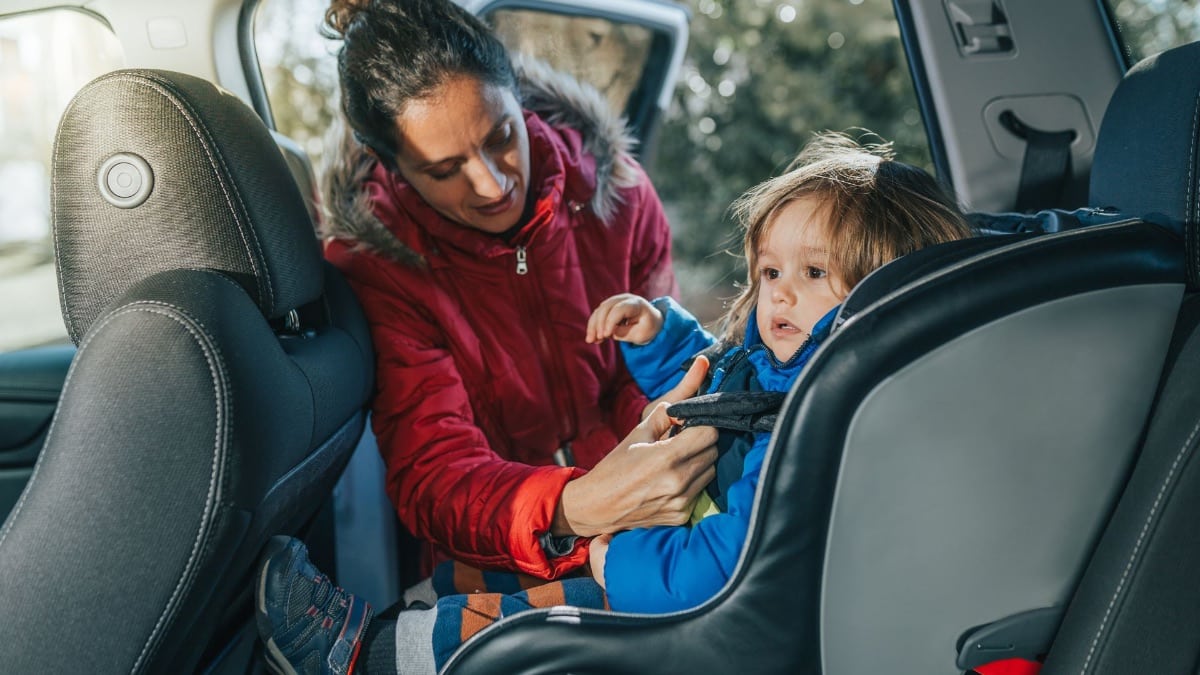
For free car seats in the Sacramento Area please refer to this resource.
Upon completion of a 3-hour class, families in Fresno County may be able to get a new car seat for $25.00. Call (559) 432-2223.
In Solano County, Solano Car Seat Connection is a family-oriented education program led and coordinated by the Health Promotion and Community Wellness Bureau. Gift certificates are provided to assist low-income families with the purchase of car seats.
Shasta County Health and Human Services agency offers a free car seat to expecting mothers who attend a child safety seat class!
To earn a free coupon for the class, participants must be seen by a participating doctor, receive Medi-Cal, and attend three Comprehensive Perinatal Services Program (CPSP) classes.
Find out if you qualify by calling (530) 225-5168.
Colorado Free Car Seats
Child-related car accident injuries, which are preventable, are addressed by Montezuma County's public health department’s Children's Car Safety Seat and Bike Helmet Program, apt for low-income families residing in Montezuma County.
Car seats may be available for families at a reduced cost. You can find more information about this program here.
2.1.1 Colorado is a very good place to find free car seats. Search for ‘car seat’ on their homepage. The results will include places that provide inspections as well as places that provide free car seats.
Safe Kids Larimer County and partners are pleased to offer classes for families in financial need of a car seat/booster seat for their child.
Registration is REQUIRED and distribution is limited to one (1) seat per family, per year. (a $30 donation per seat is required) Classes are offered in both English and Spanish.
Inner City health center extends its program statewide and offers free car seats and gift baskets to families in need.
Custer County provides car seats at no charge, they do not rent them any longer. The contact information for Custer County is as below:
Elisa R. Livengood BSN RN
Director of Public Health
Custer County Public Health Agency
10 Hermit Ln #5
Silver Cliff, Co 81252
Office: 719-783-3369
Cell: 719-458-9211
Fax: 719-783-0959
Connecticut Free Car Seats
Pawcatuck Neighborhood Center in Pawcatuck, Connecticut, is known for keeping babies warm and well.
They give vouchers for almost everything, and that include free car seats too. You can contact them at (860) 599-3285.
Hope pregnancy is focused on providing support to people who are dealing with unplanned pregnancies.
They also accept donations of baby equipment like cribs and car seats.
They have a program where you can earn points for completing courses and these points can be redeemed for free car seats and other resources.
Delaware Free Car Seats
Delaware Opportunities Inc. is a private, not-for-profit organization, and they have a car seat donation program that provides free car seats to low-income families.
More information on the program can be found here.
Delaware general health district has collaborated with safe kids worldwide to provide seat installation, seat checks, and distribution of seats to qualifying residents of Delaware.
Florida Free Car Seats
The Florida Farm Bureau Federation is looking after the farmers of Florida.
Their mission is “to increase the net income of farmers and ranchers, and to improve the quality of rural life.” Childsource Child Safety Seat is a program to improve the quality and safety of the kids of the Bureau’s members.
Through this program, the members can get a high-quality car seat for one-third of the retail price!
Florida health Pinellas county is providing installation training and free education to all the children hospitals throughout the Tampa Bay area.
They have a professional staff that is certified by National highway traffic and safety administration. They also provide free seats to families in financial difficulties.
Johns Hopkins All Children's Hospital is a prestigious institute and a well-respected name in the world of research and medicine.
Reduced-price car seats priced at $20 are accessible to families enrolled in government-subsidized programs through St. Johns County Buckle Up Program which offers reduced price car seats to qualifying St. Johns County residents, where WIC, food stamps, Medicaid, Florida KidCare or Head Start assistance receivers qualify. Clay County Sheriff’s Office and its Car Seat Hotline (904.213.5927) can also avail you a free car seat.
Can’t afford a car seat? Sign up for one of Wolfson Children's monthly workshops by calling 904.202.4302.
Georgia Free Car Seats
Georgia department of public health has a comprehensive guide on kids’ safety in the cars. This resource includes videos, tips, and safety programs.
They will also help you get a free car seat through your local counties. You can contact your local country to inquire about the availability of the car seat.
Children’s Hospital of Georgia will charge you $10 for an extensive course on how to keep your kids safe in the car.
As 4 out of 5 car seats are used incorrectly, this is a great place to learn how to make sure you are using the seat properly and not putting your kid’s life in danger. They will also provide free car seats to deserving people.
You can contact them at 706-721-7606.
South Health District of Georgia Department of Public Health also has a car seat programthat aims at facilitating low-income families by providing them free car seats.
The seats are distributed through local counties, and you have to complete a small course before getting the seat.
SAFE KIDS Cobb & SAFE KIDS Douglas Counties is a collaboration between Cobb, Douglas Counties, and safe kids worldwide.
In addition to education and training provision on children's safety, they proffer car seat safety inspections at their stations. Free car seats, albeit limited in number, are available. It is advised to schedule a visit with them first.
Idaho Free Car Seats
According to World health organization, each year, nearly 10 million kids suffer disablement and injuries from car accidents.
Idaho department of health and welfare is trying to change that through a statewide program that distributes free car seats.
You have to check with your local authority to make sure the availability.
St. Luke’s Car Seat Program in the Boise area is available at (208) 381-1719. They provide car seats at a discounted price depending on your budget.
You can get a seat for free too. Give them a call first to get an appointment which only takes five minutes.
Canyon County Paramedics Alice and Middleton Fire Department are two great places to get a car seat for free.
They serve the Canyon County, and you can contact them at (208) 795-6930 and (208) 585-6650 respectively.
Illinois Free Car Seats
In 2018, 675 kids under the age of 12 died in car crashes, and you can prevent that happening to your kid by using a car seat.
And If you are living in Chicago, you are in luck as low-cost car seats are available at Stroger Hospital. This program is open to all community members, and you can call them at 312-864-2016.
Grant A wish, Inc, run by Vital Thomas, is a donation-based program, and it helps families with basic needs of their kids.
They provide necessities like baby food, diapers, milk, baby bottles and, of course, car seats. If you are in need of such items, you can contact them here.
They are also in need of free car seat donations; if you want to donate or know anyone who wants to donate car seats, please guide them to their organization.
All donations are tax deductible, and everything they provide to economically disadvantaged families is given away free of charge.
People donate car seats to them, and they recycle them to those who need them or apply for their program.
Lurie Children's is a well-known hospital, and the Buckle Up Program aims at reducing car accident fatalities by providing free or reduced-priced car seats. So far, they have distributed more than 1000 car seats.
Indiana Free Car Seats
The Decatur Township Fire Department has partnered with Indiana Criminal Justice Institute to provide free car seats.
You can fill out this registration form, and a representative of the fire department will contact you with the availability and schedule.
You have to be on government assistance to get a free car seat, but even if you aren’t, you can still get a car seat for $25.
Community Health Network is a statewide organization, and they are helping families who are struggling financially. Car Seat Program provides free car seats to all the community’s hospitals. You can contact them at toll-free number 800-777-7775 or chat with an agent here.
The Spencer County Health Department offers free child safety seats for children that meet low income financial eligibility.
Since the child safety seat program began, in April 2004, the health department has provided more than 3,000 car seats to protect the children.
The car seats are available to children from newborn through 8 years old.
Iowa Free Car Seats
EveryStep Care and Support Service is a non-profit organization. Its goal is to provide comfort to people in difficult circumstances.
Some of its services include Hospice, Community health and wellness, and home care. Stork’s nest is an educational program of EveryStep that awards points for healthy behavior. These points can be redeemed for car seats and other resources.
The University of Iowa Stead Family Children’s Hospital Safety Store stocks a variety of car seats and brands that are sold at prices that won’t be a barrier for families.
They can also process special order car seats from a variety of vendors.
They also provide free education and training by certified child passenger safety technicians on how to use the seats whether you purchase the seat through them or not.
The Hannah Geneser Learning Center & Safety Store doesn’t provide free car seats but instead, they partner with manufacturers to provide car seats at a very low cost.
The bright side is you get free one-on-one education on how to use the safety devices. By buying a car seat from them, you will also contribute towards the Center for Advocacy and Outreach.
Johnson County Empowerment receives a grant from HOPE for Johnson County and can help you with car seats, pack-n-plays, and/or baby sleep boxes.
Variety helps children with special needs gain mobility, confidence, freedom, and independence.
It’s hard to find specialized free car seats and Variety Iowa provides just that. If you are interested in receiving a piece of mobility equipment or know of a child in need, please fill the application Microsoft Word l PDF.
Kansas Free Car Seats
Car seats can reduce the risk of injury in case of a car accident by up-to 80%. Why not make sure that your kid is safe in the car by taking advantage of the Car Seat program from Swap Health Services.
They provide education, training, and car seats to eligible families for just $15. You can apply for the program by calling at 816-599-5409.
Baby Talk Pregnancy and Newborn Education is offering a free educational course where you can get a free car seat after completing the course.
To be able to get a Graco infant carrier from the Baby Talk program you need to attend all 6 of our FREE prenatal education program sessions.
Their program consists of 6 classes taught by labor and delivery nurses where moms get to learn about safe sleep, breastfeeding, smoking cessation, signs of preterm labor, nutrition, physical activity during pregnancy, and much more.
Injury-free Coalition for kids provides car seats to hospitalized patients regardless of their financial situation. The goal is to promote safe travel and increase the safety of newborns.
Kentucky Free Car Seats
If you are enrolled in Anthem Medicaid, you should check this manual out. According to it, the prenatal program makes people eligible for free car seats when “when you go to your PCP or OB/GYN at least seven times while you are pregnant”.
You can contact them at 1-855-690-7784.
Cornell Police has a government-funded program that is aimed at providing free car seats to members of the Cornell community.
Although the availability is limited, but you should still check out with them by calling (607) 255-7305.
They will only provide free child safety seats to the Cornell community and you must be below a certain income level which they verify by requiring you be enrolled in specific public assistance programs such as food stamps, Medicaid, DSS, SS and/or WIC.
They will provide checks of child safety seats for anyone who makes an appointment, and you do NOT need to be a member of the Cornell community.
They currently have approximately half a dozen certified child safety seat technicians within their Department alone.
Ashland County Health Department also has a free car seat program.
You have to provide documentation like an income statement to qualify for this program, and you can Call 419-282-4357 for an appointment.
Maine Free Car Seats
If you are enrolled in government programs like WIC, Medicaid, TANF, or SNAP, you are eligible for a free car seat. In Maine, the Bureau of highway safety distributes car seats through these locations.
Maryland Free Car Seats
Baltimore Pregnancy Center located at 7311 Harford Road provides many resources to low-income families. These include bassinets, car seats, strollers, furniture, beds, and more. You can give them a call at 410-426-9992.
In Maryland, Holy Cross Health offers a Kids in Safety Seats car seat rental program. These car seats are rented for 9 months.
This is a great resource if you have a temporary financial difficulty and you don’t want that to get in the way of your kid’s safety.
You have to make an appointment one month before the delivery, and you can contact them at 301-754-7158.
Maryland department of health is also running a Kids in Safety seat program. The goal of this program is to assist eligible families with the purchase of low-cost seats. They also have a loner program for special needs.
You can call them at 800-370-SEAT or email them at [email protected]
Massachusetts Free Car Seats
It is required by law in Massachusetts that all kids under 8 years old are fastened in car seats.
Boston Medical Center is helping with that, and they have a great free car seat program. Mothers should contact the center one month before the delivery date.
You can call them at 888-566-0010 to request your free car or booster seat.
According to a study, 4 out of 5 car seats are used wrong and Injury prevention program at Boston Children’s hospital is aimed at changing that.
They provide free training, tips, instructions, and free car seats to people earning low-income. You can call the Injury Prevention program at 617-355-7332 for more information.
Michigan Free Car Seats
Among kids aged 4 to 8, booster seats reduce the risk of serious injury by 45%. Michigan state police have a car distribution program to do exactly that. You can get more information about that program here.
Let’s be honest, car seats are not cheap. In the state of Michigan, you have many great resources to get a car seat at a reduced cost.
For example, through Kids Always Ride Safe program by Health system Portage, you can get a car seat for a reduced cost.
This program is an education-based program where you will have the opportunity to learn how to use the car seat and keep your kids safe.
Safe kids west Michigan’s Injury Prevention Programs, Wayne Metro community action agency’s reoccurring free car seat distribution program are some other examples of great resources that can help you in the hard times.
Minnesota Free Car Seats
Car Accidents is and will remain a Top Child Killer; Belts and car seats will always provide reliable solutions.
If you are in need of a free car seat and you live in Minnesota, you can use this directory by Office of Traffic Safety to find out who has free car seats available and exactly whom to contact in your area.
Everyday Miracles is a great resource to get a car seat for free if you are on a shoestring budget.
Having a government-funded program through Health Partners, Blue Plus, or UCare makes you eligible for a free car seat and you can request that through this link.
SEATS by UCare, car seat program by Baby Blanket, and car seat program by the Vadnais Heights fire department are some other examples of great resources you can use to get a free car seat for your kids.
Having these awesome options means you have no excuse but to get a car seat for your kid and make sure of their safety. Please refer to the individual programs for contact information and eligibility criteria.
You can also get a free car seat from Wakota Life Care Center. To become eligible for a free car seat, you need to attend 2 classes, and the car seat safety seminar.
In Beltrami County, Bemidji Police Department provides free car seats. They receive a grant from the Minnesota Child Passenger Safety Program through the Office of Traffic Safety.
Their program gets a limited number of seats. Detective Leffelman and Officer Carrigan are the two points of contact at the department.
There are requirements of the grant that you must meet including financial eligibility, and you are also required to complete the educational portion before you can get a child safety seat,
Mille Lacs County also has a car seat program where you can get free car seats. Please contact Nikki Herr at ([email protected]) or (320) 983-8208.
Meeker County Public Health offers free child passenger safety checks for pregnant women, or families and caregivers with children of all ages. Call MCPH at 320-693-5370.
Carver County Public Health has car seats available free of charge for families that meet specific income requirements. Call Carver County Public Health at (952) 361-1329 to learn more.
Sherburne County also has a reduced cost car seat program.
You will have to attend a 90-minute class to receive a new child safety seat and receive instruction on proper use and installation. Distribution classes are scheduled twice a month. Call 800-433-5237 or 763-765-4112 to find out if you are eligible and to enroll in the next class.
Missouri Free Car Seats
You might be surprised to hear that injuries related to car accidents are the biggest cause of death among the kids.
SSM Health Cardinal Glennon Safety Program is aimed at reducing such fatalities because they are preventable.
They provide resources like CPR classes, Baby Safety 101 classes, and seats at no cost to eligible families.
Lincoln county health department is also working towards making people more educated about child passenger safety.
Their program is carefully carved to educate new parents on using car seats.
A free car seat distribution program is also a part of this amazing educational course.
Car seats are limited and only provided to families that are really in need. You call them at (636) 528-6117 to make an appointment.
Safe kids Missouri has collaborated with Cardinal Glennon Children’s Hospital and their goal is to provide education, training and safety tips to parents and caregivers.
A reduced-cost car seat program lets you get a brand-new car seat for only $25.
You can call Cathy at 314-612-5770 or email [email protected] for more information.
Safety and Health Council: Offers carseats with a $20 donation. Troost Ave, Kansas City, MO 64110, 816-842-5223 ext. 233, 5829
Montana Free Car Seats
City County Health Department is a place worth checking out if you need a seat at a reduced cost.
The car seat’s availability is not sure but you can call Mary Kay at 454-6750 or Davida at 791-9298 to inquire.
The health department will also help you with instructions on how to use the car seat.
SafeSeat for Baby, a program under Healthy Mothers, Healthy Babies- The Montana Coalition, provides car seats at no cost to families in need.
Upon a family's need being recognized, health departments or early childhood specialists refer them to this program. Safe car seat acquisition is ensured for Montana children through this program in tandem with parent education and car seat installation training by certified Car Seat Technicians. Reach out to local health departments to express the need; the processing time stands at 1-2 weeks.
Nebraska Free Car Seats
Children's Hospital & Medical Center provide great training and educational material but they are not currently providing a free car seat. In such a case, you are encouraged to contact the injury prevention team at [email protected].
The always dependable safe kids have collaborated with non-profit childhood injury prevention organization in Hastings, Nebraska.
They provide education to families on how to use car seats without any cost. They also have free car seats available but you have to be registered with WIC, Medicaid or Kids Connection. You can call them at 402-460-5884 for more information.
Three river’s public health department also have car seats available at no cost for families that are in need and low-income.
Not only will they assist in the car seat installation process but the technicians also function as educators during this installation, ensuring you are competent in installing the car seats by yourself.
Nevada Free Car Seats
Baby's Bounty is a nonprofit focusing on endorsing education and interventions for susceptible families while simultaneously furnishing required essentials to ensure a good start for every infant. Upon the completion of their Safe Sleep & Baby Basics class, new parents are offered clothing & accessories, diapers & wipes, a convertible car seat, a portable crib, amongst others!
You can reach them via phone (702.485.2229) or email ([email protected])."
Free Car Seat for Low-Income Families is a blog that will direct you towards a resource where you can find a free car seat. You can check out this blog here.
The Car Seats for Christy Foundation provides car seats and boosters to those in need and raises awareness about child passenger safety through outreach events and social media.
New Hampshire Free Car Seats
If you are covered by Well Sense Health Plan you are eligible for a car seat at no cost.
All you have to do is Call the Well Sense Member Services Department at 877-957-1300 and request a free infant car seat or booster seat for your kiddo.
Pregnancy centers are situated all across the NH. They meet the physical and emotional needs of women facing unplanned pregnancies.
Among other services, these centers provide free car seats. You have to check with the center in your area if they do provide car seats. The list of centers can be found here.
At Albuquerque Public School, the student-run store located inside the renovated New Futures High School, sells very inexpensive baby and toddler clothing, accessories and furniture; a car seat is available for $15.
New Mexico Free Car Seats
The New Mexico Child Safety Seat Distribution Program is a program funded by the New Mexico Department of Transportation.
The state of New Mexico has a contract with Lovelace health plan for the distribution of free car seats.
You have to be a member of the Lovelace health plan to benefit from this opportunity.
There is a form available here that you can fill. It is available in English and Spanish. And if you have any questions or you need help filling the form, you can contact the Lovelace customer service at 505.727.LOVE.
Trumbull Family Resource Center is also having a program where they can help you with a free car seat. You can call them at (505) 256-2005.
Los Alamos Medical Center has partnered with the New Mexico Child Safety Seat Distribution Program. Families who qualify for the free or reduced-cost seat can contact the OB Department at 1-505-662-4201.
Crossroad for Women provides comprehensive, integrated services to empower women emerging from incarceration to achieve safe, healthy, and fulfilling lives in the community, for themselves and their children. They can help you with the purchase of a new car seat.
New York Free Car Seats
There is no shortage of programs in New York that can help you with a free or reduced-cost car seat:
Ardent Solutions has a long-term Car Seat Distribution Program. It caters to the need of newborn kids until they can ride without a car seat.
There is an eligibility criterion to qualify for the car seat – you have to be a low-income, legal guardian of the kid, and someone must have a car in the house. You can find more information about this program here.
Washington County Public Health is also working towards providing every community member with a car seat.
The goal is to give access to low-income families to safety devices. They don’t have very strict criteria too, as you only have to be the resident of Washington County. They can be contacted at (518)746-2400.
Little Essential’s donation program, Wayne County’s Child Car Seat Inspections & Distribution Program and Delaware county Public Health Service’s Delaware County Car Seat Safety Program are also great resources and worth checking out.
New Hope Family Services Provides maternity clothing, baby formula, diapers, and baby clothing. Offers car seats, strollers, pack and play, and some other baby furniture/accessories, when available.
Carthage Area Hospital offers car seat inspections by a Certified Car Seat Technician. Provides new car seats if the current one is outdated.
Eligibility: Jefferson County residents needing assistance having their car seat installed properly
Application Process: Fill out online form to register
Required Documentation: None
Livingston County parents and caregivers who have limited financial resources (receive/meet the income requirements to receive SNAP/Food Stamps or WIC benefits) can receive a free car seat along with information and hands-on assistance on how to properly install and use child safety restraint systems and safety belts.
North Carolina Free Car Seats
More than 200 kids die every year in North Carolina alone from accidental injuries. It’s a shame because these deaths are entirely preventable.
Henderson County’s Child Passenger Safety program’s goal is to reduce that. They not only provide car seats to residents of Henderson County who do not already have an appropriate car seat for the child in the family, but also provide education on how to use those car seats.
Alleghany Partnership for Children at 61 Wee Care Ave. in Sparta.
They do charge a fee for the service just so they can keep a running supply of seats going, but it is very minimal. $5 for a low back booster, $15 for a high back booster and $25 for all the other seats.
B.E.A.R closet has multiple locations across NC. They help struggling families provide some of the basic supplies needed to care for their newborns and small children. Some locations offer car seats for a nominal donation. Availability varies.
North Dakota Free Car Seats
According to a study, 96% of the parents think they are using the car seat the right way and the research shows 73% of parents are using them incorrectly.
Bismarck-Burleigh Public Health is running The Child Passenger Safety program that aims to teach parents how to use car seats.
Bismarck-Burleigh Public Health (contact: 701-355-1540) offer free car seats to qualifying families. Safe Kids is a global organization, collaborating with local bodies to run numerous schemes facilitating parents with education, training, and seat safety Check-up Events.
In Grand Forks, some of the collaborations include Safe Kids Grand Forks and Altru Health System, Safe Kids Grand Forks with Walsh County Public Health and Safe Kids Grand Forks with Altru Clinic Crookston and Polk County Public Health. There are free car seats available too through the programs run by these partnerships.
Ohio Free Car Seats
The Ohio Department of Health's child passenger safety (CPS) program, Ohio Buckles Buckeyes (OBB), has provided over 17,000 child safety seats and booster seats to Ohio's low-income families over the past five years. To receive an OBB seat, families must attend a class hosted by trained local CPS staff, subject to income eligibility and availability.
The OBB Program works in close collaboration with a network of regional CPS coordinators who provide technical assistance, training and educational resources to the local OBB sites in their regions.
The Rainbow Injury Prevention Center is able to assist low income families by providing car seats at a cost significantly discounted from retail prices, together with education in installing and using the seats. To access this program call 216-844-2277.
In partnership with University Hospitals and Ohio Buckles Buckeyes (OBB), the Lake County General Health District provides car seats to income-eligible families. Call (216)308-3664 or email Helga Nicastro.
The Union County Health Department also participates in the Ohio Buckles Buckeyes program sponsored by the Ohio Department of Health.
Call the Union County Health Department at 937-642-2053 to schedule an appointment with a certified technician.
Another participant in OBB is Cambridge-Guernsey County Health Department and provides free car seats to low-income families in Guernsey County.
In Wood County, Wood County Hospital's Family Birthing Center offers free car seats through Ohio Buckles Buckeyes Program. For more information, call 419-354-8932.
Columbus Public Health Childhood Injury Prevention Program: This program provides reduced-cost car seats to low-income families.
Expectant mothers at 35 weeks and caregivers interested in the reduced cost car seat program are required to attend a one-hour class to receive a car seat for around $30 to $40 or a booster seat for $10.
Vineyard Columbus: "Program is offered to support women who are experiencing an unplanned pregnancy.
The resource center operates on donations from the community to provide baby items for infants up to 18 months for those in need.
There are no qualifications to receive assistance but a 30 minute intake meeting is required. Items are provided 4 weeks before the mother’s due date and after the baby is born.
Items may include baby clothing, bottles, diapers, blankets, pacifiers, formula, baby food, car seats, bouncers and swings. 6000 Cooper Road Westerville, Ohio 43081, 614-259-5467 or 614-259-5318.
Oklahoma Free Car Seats
Located in Oklahoma City, Infant Crisis Services is an amazing organization that helps babies and toddlers with basic needs.
You can get diapers, formula, food, toys, diapers, clothing, books, sleepers and much more. They also have 6 car seat distribution events each year that operate on a first-come, first-serve basis.
There are some requirements to get the reduced-priced car seat – you have to be enrolled in WIC, Sooner Care, food stamps or any other government assistance program. You also have to be the legal guardian of the child and if you are an expecting mother, you have to be within 6 weeks of delivery.
If the child is born, they need to be present. They also ask for a donation of $10 per seat, but it is optional if you can’t afford it. Call 405-528-3663 for upcoming event dates.
If you happen to live in the Chickasaw nation, there is a program that provides free inspections of child passenger seats and parent education regarding the proper fit of car seats, laws and regulations and vehicle safety.
Car seats are available for Chickasaw citizens who have recalled, outdated or wrong-sized seats. Call (580) 421-7711 to schedule a free car seat safety check.
Anna's House Foundation is a faith-based organization whose mission is to provide immediate, stable and loving homes for Oklahoma County's children in state custody.
They provide foster families with cribs, car seats, high chairs, clothing, diapers, formula and other much needed baby essentials in order to relieve some of the financial burden when caring for foster children.
Here is a list of agencies that might be able to help you with a free car seat. Availability varies, so you have to confirm with the agency in your area if they have car seat available.
Oregon Free Car Seats
Josephine County in Oregon is doing its part in making the kids of Oregon safe through the Child Passenger Safety Program.
Grants Pass Fire / Rescue (GPFR) operates a child Passenger Safety Program. Having undergone extensive training, numerous police officers and firefighters are now certified Child Passenger Safety Technicians. This program offers car seats for as low as $10 for guardians enrolled in government-assisted programs like WIC. Moreover, this scheme encourages responsible car seat usage by restraining the number of car seats to one per child.
Please contact program coordinator Travis Marsh at 541-450-6200 for more information.
Similar to Josephine County’s Child Passenger Safety Program, Umatilla Morrow County Head Start are running their own The Car Seat Program with the goal of providing low-cost seats to the people who are dealing with financial restrictions.
The car seats are provided to low income families at a reduced cost. The price of the seats range from $10-$30 depending on the seat needed.
The Albany Area Child Passenger Safety Program, in partnership with the Albany Firefighters Community Assistance Fund (AFFCAF), has been awarded a grant from the Oregon Department of Transportation to provide low cost seats to income eligible families.
If your child is in need of a car seat, a referral may be obtained from Love, Inc, or from WIC for families who are currently eligible for and receiving WIC benefits.
A limited supply of free car seats/boosters available for those unable to pay by the PeaceHealth Sacred Heart Medical Center. Call Heather Gray, CPST, at 541.484.5316 ext. 319 for appointment.
Pennsylvania Free Car Seats
A prescription from a healthcare provider is needed if you want to receive a free car seat from Children hospital of Philadelphia’s Child Safety Seat Program.
Their program requires participants be enrolled in PA's SNAP and/or cash benefits program. If you can afford a small donation, it will be appreciated by the hospital.
To get more information or appointment, call Safety Center at 267-426-5000.
Traffic Injury Prevention Project is another organization that can help you with a free car seat.
TIPP works closely with PENNDOT to provide information and child safety seats throughout Pennsylvania through the state-wide network of loaner programs. Find a place near you here.
Life Line offers free assistance to pregnant women, parents, and infants in need. Brand new Evenflo car seats are available with a donation of $15.
Life Line also offers supportive counseling, workshops on prenatal and child care, and educational materials.
Rhode Island Free Car Seats
Hasbro Children's Hospital has a vision of a boundless future for the kids of Rhode Island and they are pursuing this vision through collaboration and research.
Through their injury prevention center at the hospital, they are trying to save the future of our kids by providing safety training, education, and resources that enables families to take good care of their kids while on the road.
Seats 4 Safety Program is an extension of that vision and it provides low-income families with free car seats and training.
South Dakota Free Car Seats
It is estimated that from 1975 to 2011, 10,000 lives were saved by using restraints for children under the age of 5 on the road. (Source: National Highway Traffic Safety Administration).
We all want our kids to be in those 10,000 and If you live anywhere in South Dakota and can't afford a car seat, there is nothing to worry as you are covered by Strong Families’ SD Child safety seat distribution program.
They have divided the whole South Dakota in 6 regions and you can find out which region you come under and who to contact by clicking here.
Tennessee Free Car Seats
Shelby county health department’s Child Car Seat Program. Shelby county’s health department is giving away car seats for $10 each!
But you have to provide Baby’s Birth Certificate, Driver’s License or State I.D., Legal Guardian or Foster Parents—Court papers and you have to be Enrolled in TN Care, Food Stamp or WIC program.
Tennessee Department of Health has a great seat distribution program where the fines collected from the non-complying drives are distributed back to local authorities and these authorities then distribute car seats to low-income families.
You can call the Department of Health for at 615-741-7353 for more information.
Mother To Mother is a nonprofit that provides vital health, safety and wellness items for infants and children in need by working with a special network of social workers, nurses, social service agencies and local hospitals.
They distribute diapers, car seats, clothes, cribs, strollers, and other essential baby items to low-income children from newborns to age 10.
Texas Free Car Seats
Texas Health and Human Services have a statewide program that is aimed at making parents more aware of the safety of their kids, giving them education, and car seats to all the families.
It is required that you are low income and you have a vehicle to qualify for a free car seat. You also have to take an hour's class to get familiar with how car seat works. You can call the Texas Health and Human Service department at 800-252-8255; you will be redirected to a local resource.
In Austin, Neighborhood centers’ free services help low- and moderate-income families stay safe by providing car seats for children.
There are 4 Neighborhood centers across Austin. Call to make an appointment with a neighborhood center that is convenient for you.
Superior HealthPlan commits to improving the health of the community one individual at a time through affordable and reliable healthcare plans.
They offer Baby Showers at no cost. Led by a Start Smart care team member, these educational classes teach you how to care for yourself and your baby during your pregnancy.
If you stay for an entire baby shower, or download a pregnancy program mobile app and engage for 30 days, you can get extra benefits like diapers and a car seat.
University Medical Center Foundation’s El Paso Health Car Seat Safety Program has provided 2,153 car seats since 2014. UMCF holds El Paso Health Car Seat Safety clinics monthly throughout parts of the El Paso area and rotates between east, west and central El Paso.
During these clinics, certified Child Passenger Safety Technicians (CPST) evaluate the child’s car seat for safety and proper fit.
If the car seat does not meet current safety guidelines, or if it is an incorrect car seat for the child’s age, height, and weight, it is replaced with a new car seat free of charge.
The goal of Simply Safety is to connect families to safety equipment they might otherwise be unable to afford.
Everything is priced at cost, or at a low-cost, with tax included. If Simply Safety’s discounted price is still too high for a family, they may be eligible for additional financial assistance on select car seats.
If a family qualifies for that extra help, the store will offer the car seat on a sliding scale.
Families to Freedom accept donations of used car seats and thoroughly inspect them. After the seats are deemed fit to use, they are provided to people who can’t afford them.
Utah Free Car Seats
Car seats are available for a reduced cost at Salt Lake county’s health department. You have to prove that you are low income and you also have to take a class of one hour to become qualified for the seat. Phone: (385) 468-4100.
Car seat prices will be within the range indicated below, based on family income and the type of car seat:
Convertible car seat: $30 to $59
High-back booster seat: $15 to $35
Backless booster seat: $13 to $28
Specialty weight seat 50: $46 to $90
Specialty weight seat 65: $76 to $148
Primary Children’s Hospital too offer discounted car seats for low income families—you just have to schedule an appointment so they can educate you and assist with install. Their phone is 801-662-2277
Vermont Free Car Seats
Vermont Safety Seat Voucher Program’s goal is to provide free car seats to low-income families.
Essex Police Department is professionally trained in installing the car seats and providing education and training and if you have received a voucher, you will be eligible for a free car seat too.
BeSeatSmart doesn’t provide free car seats, however, they have a lot of free material available for free.
Material includes 1 hour Child Passenger Safety Program overview as well as informational rack cards. They can also provide an educational display for an event.
Virginia Free Car Seats
The Virginia Department of Health Low Income Safety Seat Distribution and Education Program is providing free car seats to low-income families who can’t afford car seats otherwise.
You can contact the people responsible for the program at 540-381-7100.
The city of Norfolk also has a Child Passenger Safety Program that enables families to have a better child safety by giving them free car seats and education.
You can contact the good people at the department of health by calling at 757-683-2301.
Washington Free Car Seats
Safe Kids is a worldwide organization working for providing better safety for the kids. Their local organization safe kids Clark county is running a safety class and clinic. Car seats at reduced-cost of $20 are available for eligible families.
Babies in Need is a not-for-profit organization and they are helping families fight tough times by providing them essential resources.
You can also get a free car seat by contacting them.
PeaceHealth Southwest Health Education Center organizes classes to educate parents regarding the safety of their kids and how to use car seats to make sure they are safe on the road. Car seats at reduced-cost are also available for low-income families.
You can contact [email protected] or call 360-608-4136 for more information.
EBC accepts donations of used car seats, however, they only accept clean car seats and within at least 1 full calendar year of expiration; the expiration date can be found in your owner's manual.
EBC staff will confirm usability/expiration upon donation. If you are looking for a free car seat, they can help you immediately.
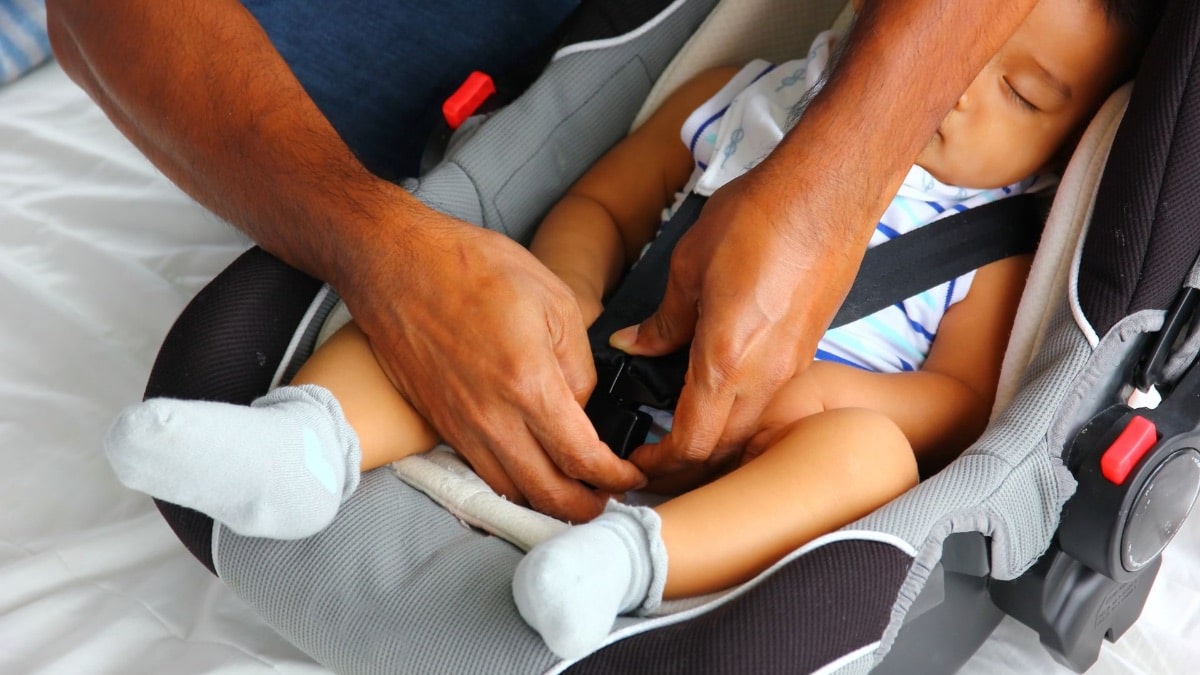
As an EBC partner, Afghan Health Initiative is also able to provide children ages 0 to 12 years old with important items such as carseats, strollers, diapers, wipes, baby pack-n-plays, bassinets, clothing, toys, books, and more.
Swedish Health Services doesn’t provide car seats but they offer free WHALE kits. WHALE stands for “We Have A Little Emergency.”
It’s an identification program that started in the 1990s by a child caregiver on the East Coast who wondered what would happen to the children in her care in the event of a car accident.
Emergency personnel in 34 states now recognize and use the program. WHALE uses stickers on a vehicle’s windows and car seat to alert rescue workers to look on the back of the car seat for the child’s:
• Name
• Date of birth
• Medical history
• Emergency contacts
Two Hearts Pregnancy Aid provides brand new car seats free to any child in need. All Snohomish county residents in need qualify for a new car seat for each child ages newborn through 2 years old.
The West Seattle Food Bank partners with Westside Baby to provide baby and toddler accessories such as car seats to families in need.
West Virginia Free Car Seats
The Gabriel Project of West Virginia is mainly focused on needy pregnant women and families with infants. They provide necessary necessities like cribs, car seats, clothing, baby items and diapers at low or no cost.
Christian Help provides support to everyone; no matter their background or identity, each person who walks through the door deserves and receives the same respect and dignity.
In addition to Housewares Closet and Linens Closet, they operate a Maternity/Child Closet that provides clothing, furniture, equipment (e.g. high chairs, strollers, car seats, bassinets) and related items such as diapers, receiving blankets, bottles and nursing pads.
Wisconsin Free Car Seats
Injury Free Coalition for Kids of Milwaukee couple of different programs for kids. These programs involve collaboration with different departments and organizations and ultimately make the way towards safer and injury-free future for the kids of Milwaukee.
Their partnership with Children's Hospital of Wisconsin has resulted in a free car seat program for people who can’t afford them. They also have a fitting station and education center for providing your kid the safety on the road they deserve.Wisconsin Department of Transportation, Safe Kids Wisconsin and Children’s Hospital of Wisconsin have joined hands to provide resources and training to parents, caregivers and child passenger safety technician.
Safe Kids Oconto County will do a free installation. Car seats are also available for people who are living on government support and have a child with them.
The Brown County Car Seat Program partners with the Center for Childhood Safety. Brown County offers assistance to families who are unable to purchase a car seat at market price.
The Center for Childhood Safety has appointments available to get all children's car seats checked by certified Car Seat Technicians. For Brown County Car Seat questions call 448-6400 and press “6” to schedule an appointment
Wyoming Free Car Seats
Cheyenne Regional is a reputable hospital that is providing top-notch services in the medical field for years.
They an amazing 222-bed register hospital. Cheyenne Regional is giving back to the community through their Kohl’s Car Seat Distribution Program.
It is a huge collaboration of Kohl’s with 160 hospitals around the country. Hundreds of distributed car seats make it a big option for people who are struggling to get a car seat for their kids. You can contact them at (307) 634-2273.
The Teton County Car Seat Program also provides car seats to low-income families. You can find more about the program here.
Free Car Seat Education for Parents
Enter your text here...
Growing up I was a carefree male going about life like there was no tomorrow. Naturally, I ‘grew’ up, settled down and started a family.
Going from an independent carefree male to a family man was somewhat of a U-turn and required a lot of learning. Luckily for me, my wife works in education and has always been the shining light always ahead of me on all factors kids related.
Initially, my wife didn’t have a driving license (luckily this has now changed and it does make life easier), and all things car related were my task. Child locks were the obvious starting point which lead me down a rabbit hole.
So far we have personally tested dozens of convertible car seats and have owned five despite neither of our kids having reached the age of 5! Simply put, a car seat can be great on paper, work great on trying out but can fail on you in real life.
This is why I have put together this website – to help inform and educate you!
Of course, as I mentioned above, at the end of the day your experience will be the best test so I’d love to hear your experiences and feedback in the comments.
To contact me personally, please do so through my contact page.
I look forward to hearing from you!
Peter
P.S. If you click a link on my site and end up buying a car seat on Amazon, I’ll get paid a small commission (or as the Amazon lawyers put it: “As an Amazon Associate I earn from qualifying purchases”)
It appears that Alaska has no free car seats. This is not true. If you contact any of the “Help with Car Seats sites under state section this will help direct you. In Alaska it is area by area
Thanks for pointing that out, Diane!
So there are no resources for South Carolina?
Working on that, Betsy!
Is the above statement true for Hawaii?
Are there any free car seat registries Available for the state of Mississippi?
Great question, Keyina – there’s nothing that I know of, but I’ll do a little digging and add it to the guide if I find anything.
My daughter needs a special needs car seat. She is paralyzed from mid stomach down. She has a trache as well. Her fingers stay bent up. My handicap vehicle is falling apart and is going to stop working soon. I’m looking for her a car seat. Can you help?
Hi I need help with chicco viaro