Fleas can be an annoyance and a persistent problem in any home, and your car is no exception. The shame, discomfort, and cost of these pesky pests can be hard to bear.
Worse, they can transmit diseases and risk your health and safety.
Luckily, you can use some safe, simple solutions to eliminate them once and for all. Some will work alone, while others may require a combination of methods.
In this post, we'll outline seven steps for getting rid of fleas in the car, explain a few effective methods, and answer some of your frequently asked questions.
Get Rid of Fleas: Popular Methods
Here are various ways to get rid of fleas in your car and keep them away for good.
1. Use Salt
Salt acts as a desiccant, drying out the flea eggs and larvae. For maximum effectiveness, ensure it's refined or powder-like.
Spread it throughout your car's interior, focusing on the floorboards, seats, and carpets. Once done, allow the salt to sit for 24-48 hours before vacuuming thoroughly to remove it and the dead fleas.
2. Place Hedge Apples in Your Car
As bizarre as it may sound, hedge apples, or Osage oranges, are effective against fleas. The orange peel smell deters fleas from inhabiting your car and can help drive them away.
Slice a few of these fruits and place them around the car's interior. Refresh them every few days or whenever you notice the smell has dissipated.
3. Use a Flea Fogger
A flea flogger, also known as a flea bomb, releases an aerosol containing a pesticide that kills fleas and other pests on contact. The good news is that it's easy to use– just pull the trigger, leave your car windows up and let the fogger do its work.
After a few hours, open the windows and let the fog dissipate. Remember to vacuum the car thoroughly afterward to remove dead fleas and eggs.
The only downside with the method is that it can be challenging to reach hidden areas, like under the seats. For the best results, combine it with other flea control methods for a thorough clean.
4. Set Flea Traps
Flea traps can be effective when placed strategically around your car's interior. They use light or color to lure the fleas, trapping them on the sticky cards. In most cases, you'll only require a few; on average, a trap can cover a 30-foot radius.
Place the traps in secure places such as under seats or behind the gearstick where they're unlikely to be disturbed by movement.
5. Apply Flea Powder/Spray
Most large retailers and hardware stores carry flea powder or spray explicitly designed for this purpose.
These products combine insecticide and insect growth regulators (IGR) to kill adult fleas and disrupt the reproductive cycle.
Carefully follow the package instructions and apply the product in the crevices, between the seats and carpets, and in other areas where fleas are likely to congregate. It'll take one to two days for the product to take effect, and then you can vacuum away any dead fleas.
However, if your vehicle has leather upholstery, avoid using these products, as they could damage the surface.
6. Use Diatomaceous Earth
Diatomaceous earth is a highly effective flea repellent made from crushed fossils. It has small, razor-sharp edges that scratch the flea's exoskeleton, causing them to die from dehydration.
Expect 99% efficiency within a day of application. Unfortunately, the product only works on live fleas; for eggs or larvae, you'll need to seek other solutions.
7. Hire an Exterminator
If all else fails or you don't want to deal with the hassle yourself, hire a professional exterminator. They have the right tools and expertise to rid your car of fleas safely and efficiently.
Choose a reputable exterminator with experience dealing with flea infestations and check reviews from previous clients.
Step by Step - Best Practices to Get Rid of Fleas
Here is how to get rid of fleas in your car.
1. Identification
Inspect your car and ensure it's fleas you're dealing with, not some other type of bug. A wrong diagnosis can lead to wrong treatment, wasted money, and continued infestation. Here are some signs that can indicate fleas:
- Presence of tiny, flat dark-colored bugs with no wings
- Small, black, or brown specks on your car's interior surfaces
- Small, red bite marks on your skin
- Increased itchiness in the car
- Noticing a musty or sweet smell in your car
- If you're unsure, consult a pest control expert for accurate identification
2. Remove Blankets and Beddings From the Car
Once you've confirmed that the infestation is indeed fleas, the next step is to remove all blankets, bedding, and other soft materials from the car. These items provide the perfect environment for fleas to lay eggs and multiply.
Wash them in hot water, and dry them on high heat to kill any remaining fleas.
3. Vacuum Your Car's Interior
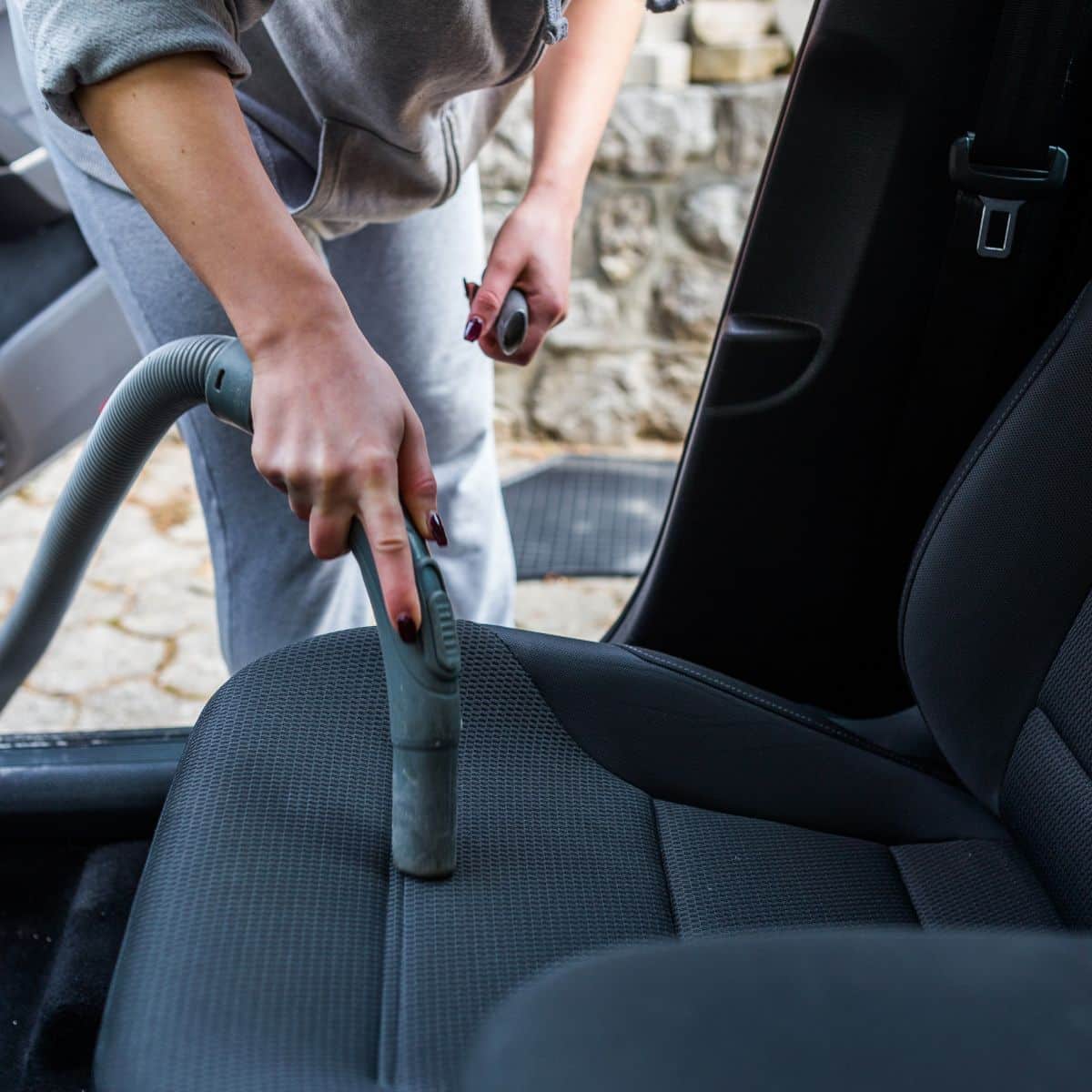
Vacuuming your car's interior will remove any flea eggs, larvae, or adult fleas. Pay special attention to carpets, upholstery, cracks, and crevices, as these are common places for fleas to hide.
A powerful vacuum with an attachment can reach tight spaces and loosen stubborn flea eggs from fabric. To avoid re-infestation, dispose of the vacuum bag after use or clean the vacuum canister with hot soapy water.
PS: Vacuum regularly, preferably daily, until the flea infestation is gone.
4. Use a Flea & Tick Killer Spray
Flea & tick killer is an insecticide formulated for car flea control, especially if the infestation is severe.
It contains an insect growth regulator (IGR) that disrupts the flea life cycle, preventing the eggs from hatching. Plus, it sterilizes adult fleas and is labeled safe for vehicle use.
To use it, first open all of your vehicle's doors and windows for proper ventilation. Then, in a sweeping motion, lightly spray the Novacide over the car floor and seats, focusing on the nooks and crannies. Allow it to air dry for a few hours so that the fumes dissipate before re-entering the car.
Avoid spraying Insecticide on leather interiors as it can cause staining. Instead, vacuum them and wipe the surface with a damp cloth.
5. Re-Vacuum the Inside of Your Car
After 10-14 days, re-apply the flea killer spray to eliminate any fleas that may have survived the first treatment.
6. Check Your Pet
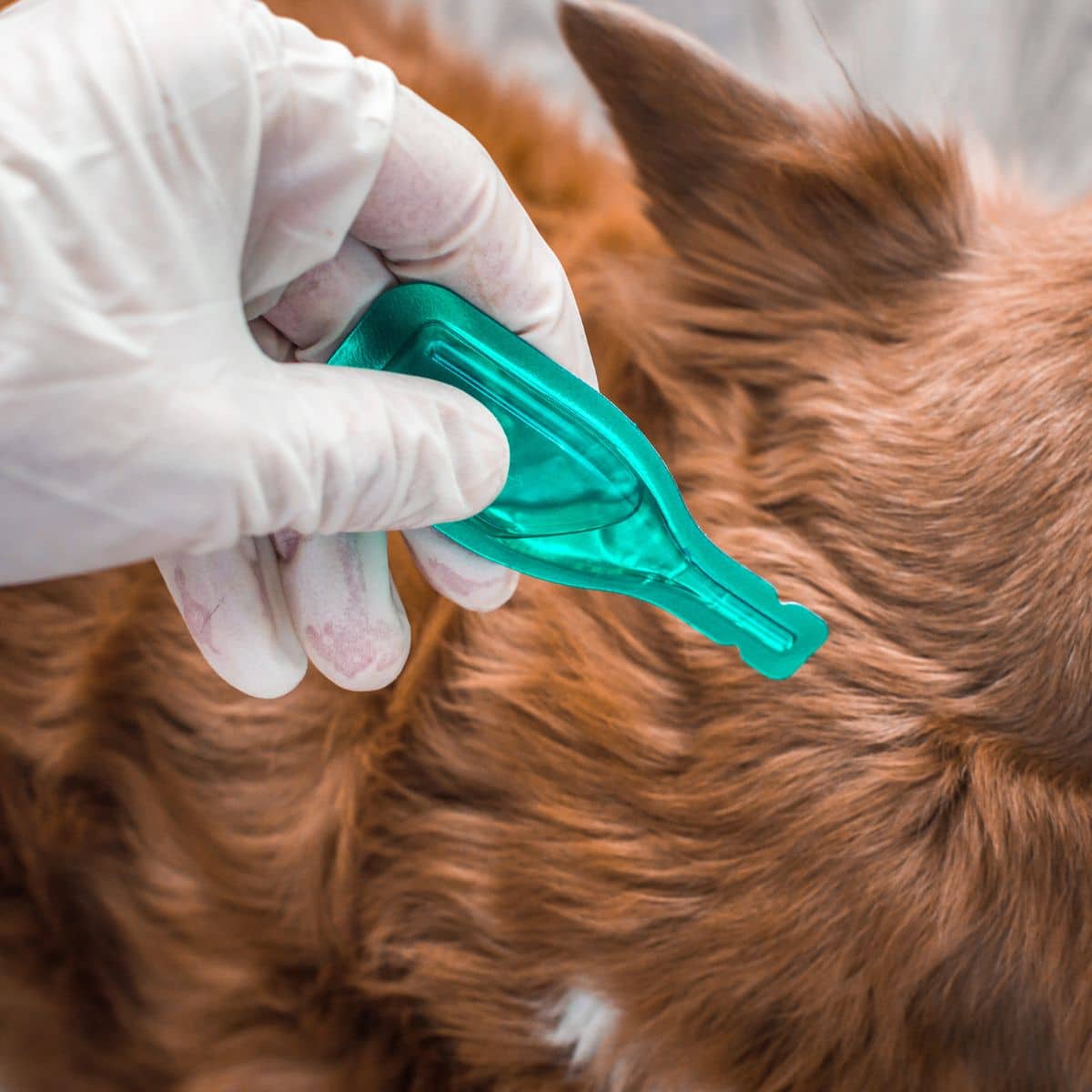
Pets are the primary source of flea infestations, so treating them is essential. Consult your veterinarian for the best flea control product for your pet.
7. Treat the Outside of Your Car
Fleas can also infest areas around your car or other parts of your home. Consider treating these areas with insecticides or flea repellents.
Please pay special attention to your pet's bedding, furniture, or other areas where they like to sleep or play. For the vehicle, focus on the undercarriage, wheel, and door jambs.
How Long Can Fleas Live in a Car?
Fleas can survive in a car for up to a month if conditions are favorable. They require a humid environment with a temperature between 75-80°F and an abundance of hosts (you and your pet).
Unfortunately, vehicles provide a perfect habitat for fleas and their larvae, allowing them to multiply quickly and become a real nuisance.
The good news is without a host and regularly cleaning your car, these pests can only survive for a week.
Can Fleas Survive in a Cold Car?

Fleas can't survive in a colder car for long and will die within five days if the temperature falls below freezing.
At temperatures below 46.4°F, adult fleas will become sluggish and start dying off, while eggs and larvae will succumb at temperatures below 55.4°F.
However, fleas can remain dormant, tucked away in your pet's fur, or burrowed in your car upholstery until conditions are more favorable.
So, even when it's cold outside, you should take the necessary steps to eliminate them.
Can a Flea Survive in a Hot Car?
Fleas will die in two days if your car temperatures exceed 95°F. However, to achieve this temperature, you have to leave your vehicle in direct sunlight for a long time with closed doors and windows. Unfortunately, this is not feasible and could damage the car's interior.
On the other hand, the eggs and larvae can survive temperatures up to 100 °F. That means you need more than sunlight to get rid of fleas. To properly remove them, you'll need to use flea-eliminating products that you can find in pet stores.
Closing Thoughts
Ridding your car of fleas is essential to maintaining a healthy environment. There is no one-size-fits-all approach, from simple vacuuming and cleaning to more extreme measures like car chemical treatments.
Remember to be proactive by routinely treating your pets and the surroundings for fleas.

Growing up I was a carefree male going about life like there was no tomorrow. Naturally, I ‘grew’ up, settled down and started a family.
Going from an independent carefree male to a family man was somewhat of a U-turn and required a lot of learning. Luckily for me, my wife works in education and has always been the shining light always ahead of me on all factors kids related.
Initially, my wife didn’t have a driving license (luckily this has now changed and it does make life easier), and all things car related were my task. Child locks were the obvious starting point which lead me down a rabbit hole.
So far we have personally tested dozens of convertible car seats and have owned five despite neither of our kids having reached the age of 5! Simply put, a car seat can be great on paper, work great on trying out but can fail on you in real life.
This is why I have put together this website – to help inform and educate you!
Of course, as I mentioned above, at the end of the day your experience will be the best test so I’d love to hear your experiences and feedback in the comments.
To contact me personally, please do so through my contact page.
I look forward to hearing from you!
Peter
P.S. If you click a link on my site and end up buying a car seat on Amazon, I’ll get paid a small commission (or as the Amazon lawyers put it: “As an Amazon Associate I earn from qualifying purchases”)
Leave a Reply