
Busy parents know accidents happen. Unfortunately, transporting young children or pets can result in urine stains on car seats.
Our top product pick is Angry Orange Odor Eliminator & Pet Stain Remover.
We recommend this cleaner because it does a great job of breaking down odor-causing compounds and helps lift stains out of upholstery and other materials.
Here is our list of the 11 best products for getting urine out of car seats, plus some helpful car seat cleaning tips.
11 Best Products for Getting Urine Out of Car Seats
Read on to learn more about some of the most effective products you can use to clean up accidents and remove stains from car seats.
Best Enzyme Cleaner and Odor Eliminator Combo: Angry Orange
Angry Orange Eliminator
Angry Orange is an excellent enzyme cleaner that breaks down uric acid, bacteria, and other compounds that give urine its unpleasant smell.

Enzyme cleaners are one of the best options available since they can break down and dissolve the compounds that give urine a distinctive smell.
Don’t let this pet urine cleaner fool you. It works just as well on human urine stains. Angry Orange is an excellent enzyme cleaner that breaks down uric acid, bacteria, and other compounds that give urine its unpleasant smell.
Plus, it uses a natural compound found in orange peels, which is safer than harsh chemicals.
Besides eliminating the smell, this cleaner has a great citrus smell and uses a mildly abrasive texture to get urine out of car seats, fabric, upholstery, carpet, and other materials.
Pros:
Enzymes break down uric acid and other compounds
The formula does a great job of lifting old and new stains
Leaves fresh citrus smell behind
Cons:
Not the cheapest option
Best Non-Enzyme Urine Cleaner: Resolve Urine Destroyer
Resolve Urine Destroyer
The spray application is ideal for deep cleaning, but you can mix the product with warm water to get urine out of a car seat.
Resolve is a leading brand of carpet-cleaning products, and this cleaner stands out thanks to its quality.

Resolve Urine Destroyer is the best way to remove human and pet urine stains. This cleaner neutralizes odors, lifts stains, and penetrates upholstery to deep clean the area using polymers.
Pros:
Climate pledge friendly product
It does a fantastic job of removing stains and odors
Great for spot cleaning and deep cleaning
Cons:
Doesn’t use enzymes
Best Natural Solution: Begley’s Natural Pet Stain and Odor Remover
Begley's Natural Pet Stain
We recommend this gentle formula for cleaning baby and toddler car seats because it contains natural ingredients that won’t leave any harsh chemicals behind.

Begley’s Natural Pet Stain and Odor Remover is a product designer for pet owners, but it works well on human urine. It uses an enzyme that breaks down the molecules that give urine its unpleasant smell.
The fresh citrus smell does a great job covering up any underlying urine smells, and the spray formula is convenient for lifting large urine stains.
Pros:
Enzymes break down the molecules that cause the urine to smell
The spray formula is convenient
Natural ingredients
Cons:
Small quantity for the price
Best Urine Cleaner for Old Stains: Clorox Urine Remover
Clorox
Clorox offers a powerful cleaner with its urine remover product. This product uses hydrogen peroxide to break down bacteria and uric acid molecules.
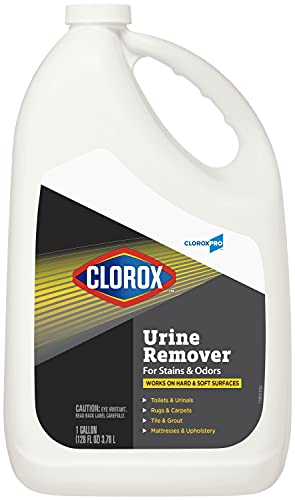
It’s an effective way of removing urine stains and smells, but you’ll need to rinse the area thoroughly to prevent accidental exposure to hydrogen peroxide and other harsh ingredients.
It’s safe to use on upholstery and other materials but can cause irritation if it comes in contact with human skin.
Pros:
Removes bacteria and odors
Great value tanks to commercial formula
A reliable brand that’s known for quality cleaners
Cons:
Hydrogen peroxide and other chemicals can be harsh
Best Heavy-Duty Cleaner: Simple Green
Simple Green
This heavy-duty cleaner uses enzymes that penetrate porous materials like car upholstery and car seats to target stains.

Simple Green offers a versatile product designed to lift urine, blood, vomit, and other stubborn stains.
It works great on new and old stains, and even though the brand markets its product toward pet owners, the cleaner works with human urine.
Pros:
Effective enzyme cleaner
Great value with the refill included
Works well on new and old stains
Cons:
The list of ingredients is hard to find
Most Concentrated Enzyme Cleaner: Urine-B-Gone
Urine-B-Gone
This cleaner contains over 200 billion enzymes in each gallon. You can adjust the concentration depending on how stubborn the urine stain is.
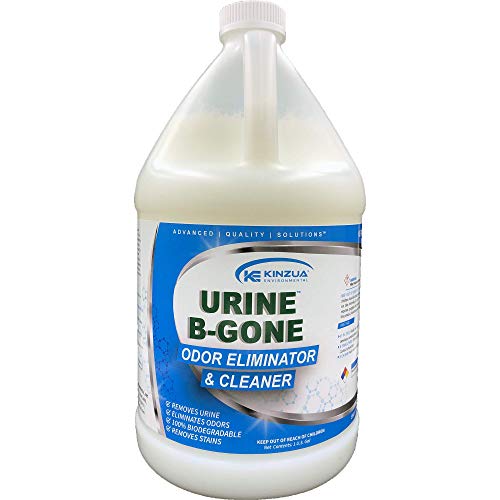
This professional cleaner is excellent for those who like shopping in bulk. Due to the high concentration of Urine-B-Gone, you’ll get better results if you dilute this cleaner in some warm water.
Overall, it’s a great option for removing tough stains and lingering odors since the enzymes will break down the bacteria and acids causing the urine smell.
Pros:
High concentration of enzymes
Adjust the concentration by adding water
Excellent value
Cons:
You’ll have to dilute this cleaner before using
Best Unscented Urine Cleaner: ZORBX Urine Cleaner
ZORBX Urine Cleaner
Most urine cleaners use fragrances to help cover up the smell of urine. If you or your children are sensitive to smells, this unscented cleaner from ZORBX is an excellent alternative.

It won’t cover up the urine smell, but it uses salts, rubbing alcohol, and distilled water to neutralize odors and lift smells. It acts fast, and you can safely use it on car seats and a wide range of surfaces.
Pros:
Great for those who are sensitive to smells
It doesn’t contain harsh chemicals
Acts fast and does an excellent job of removing stains
Cons:
It doesn’t help mask the urine smell
Best Budget Solution: Arm & Hammer Pure Baking Soda
Arm & Hammer Baking Soda
How do you get urine out of fabric car seats when the stain is fresh? Soaking up as much of the stain as possible with some baking soda can help.

Arm & Hammer baking soda is a pantry staple, but it’s also a versatile cleaner. Thanks to its abrasive properties, baking soda can absorb fresh urine stains, and the low pH of baking soda can help neutralize the odor.
You’ll get better results if you generously sprinkle the stain with baking soda and let it sit for a few hours. You can rinse the area and apply another cleaner if the smell remains.
Pros:
An inexpensive and versatile solution
Great for absorbing fresh stains
Low pH helps with the odor
Cons:
Not as effective as enzyme-based cleaners.
Most Versatile Cleaner: Distilled White Vinegar
White Vinegar
White vinegar doubles as an insect repellant, cleaning solution, and more. It’s one of the best values, given how versatile vinegar is.
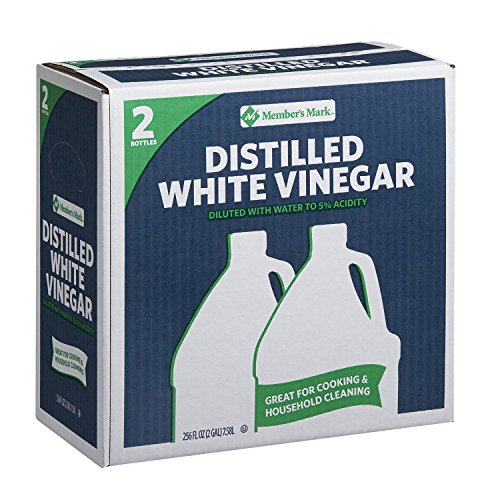
These two gallons of Member’s Mark Distilled White Vinegar are a great buy, and white vinegar is an effective way of breaking down the uric acid in urine.
Pros:
It breaks down uric acid and removes stains
Great value
Suitable for a wide range of other uses
Cons:
It leaves a strong smell behind
Most Gentle Solution: Dish Soap
Mrs. Meyer's Dish Soap
It’s strong enough to lift urine out of car upholstery and baby car seats without leaving any harsh chemicals behind.

This gentle dish soap from Mrs. Meyer’s is a biodegradable solution that you can use to eliminate minor urine stains.
For better results, try mixing a few drops of dish soap with some of the distilled white vinegar listed above.
Pros:
Biodegradable product without harsh chemicals
Ideal for lifting small urine stains
Versatile product
Cons:
Not as effective as other solutions
Best for Eliminating Unpleasant Odors: Febreze Unstoppable Car Air Freshener
Febreze Unstoppable
We like this product because you adjust the intensity of the scent, and it will keep your car smelling fresh for up to 30 days.
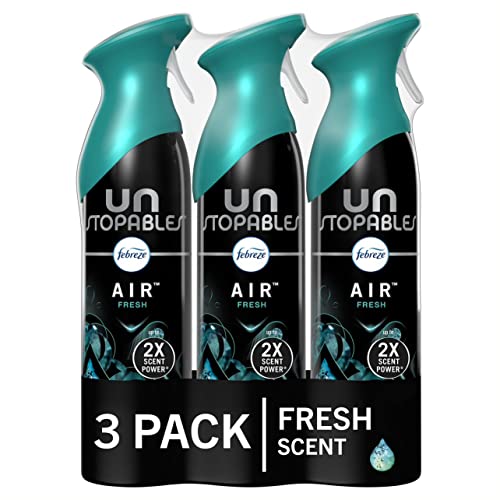
A strong car air freshener is a must-have accessory for busy parents. We highly recommend the Febreze Unstoppable Car Air Freshener with its convenient vent clip design and pleasant smell.
Pros:
Great, long-lasting smell
The vent clip design is discreet
It covers unpleasant urine smells
Cons:
Doesn’t directly clean urine out of car seats
A Few Tips for Getting Urine Out of Car Seats
These tips will help you get urine stains out of upholstery.
How do you get urine out of fabric car seats?
Your priority should be to break down the uric acid and other compounds that cause urine to have a strong smell. Once the fabric absorbs these compounds, the smell will be challenging to eliminate.
You can pat the area with paper towels to remove as much of the stain as possible. Rinsing with some cool water can help.
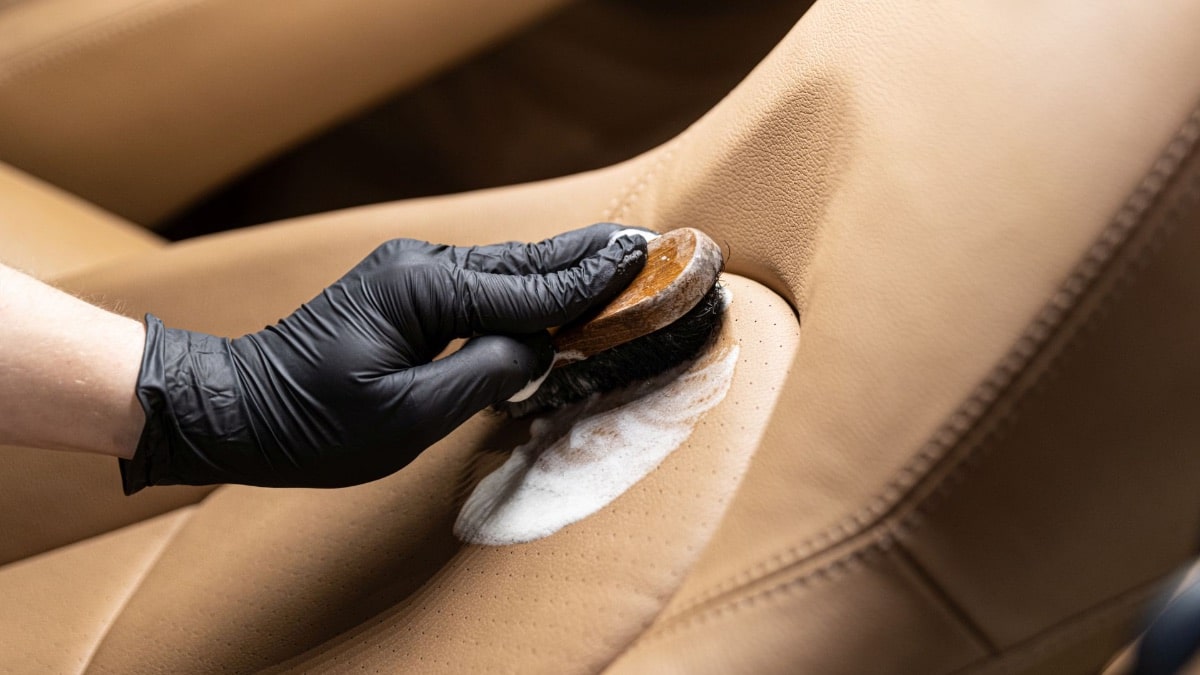
Spraying the area with a urine cleaner or mixing one-part vinegar with one-part warm water will help. Let the cleaner or vinegar sit for a few minutes before using a sponge to lather the fabric.
If you’re cleaning up after a pet, it’s also important to disinfect the area since some animals have high levels of bacteria in their urine.
How do I get rid of urine smell in my car?
Uric acid and, in some cases, bacteria give urine its smell. This smell can linger in your vehicle even after you’ve cleaned the stain.
The best way to eliminate this smell is to use an enzyme cleaner. Enzyme cleaners use proteins to break down compounds like uric acid and bacteria in a process similar to digestion.
Look for a quality enzyme cleaner with a high concentration of proteins. Spray the area with this cleaner and wait a couple of hours. The enzymes need time to penetrate the upholstery and get to work.
If the odor remains, try baking soda, vinegar, or an air freshener to cover it.
Does pee stain car seats?
Urine contains urochrome, a yellow pigment that can stain surfaces. If you don’t clean the urine quickly, it will leave a dark stain. You can prevent urine from staining your car seats by rinsing the area with as much water as possible.
Conclusion
The best way to get urine out of a car seat is to use an enzyme cleaner like Angry Orange Odor Eliminator & Pet Stain Remover. Also, follow the provided cleaning pointers for optimal cleaning and freshness.

Growing up I was a carefree male going about life like there was no tomorrow. Naturally, I ‘grew’ up, settled down and started a family.
Going from an independent carefree male to a family man was somewhat of a U-turn and required a lot of learning. Luckily for me, my wife works in education and has always been the shining light always ahead of me on all factors kids related.
Initially, my wife didn’t have a driving license (luckily this has now changed and it does make life easier), and all things car related were my task. Child locks were the obvious starting point which lead me down a rabbit hole.
So far we have personally tested dozens of convertible car seats and have owned five despite neither of our kids having reached the age of 5! Simply put, a car seat can be great on paper, work great on trying out but can fail on you in real life.
This is why I have put together this website – to help inform and educate you!
Of course, as I mentioned above, at the end of the day your experience will be the best test so I’d love to hear your experiences and feedback in the comments.
To contact me personally, please do so through my contact page.
I look forward to hearing from you!
Peter
P.S. If you click a link on my site and end up buying a car seat on Amazon, I’ll get paid a small commission (or as the Amazon lawyers put it: “As an Amazon Associate I earn from qualifying purchases”)
Leave a Reply