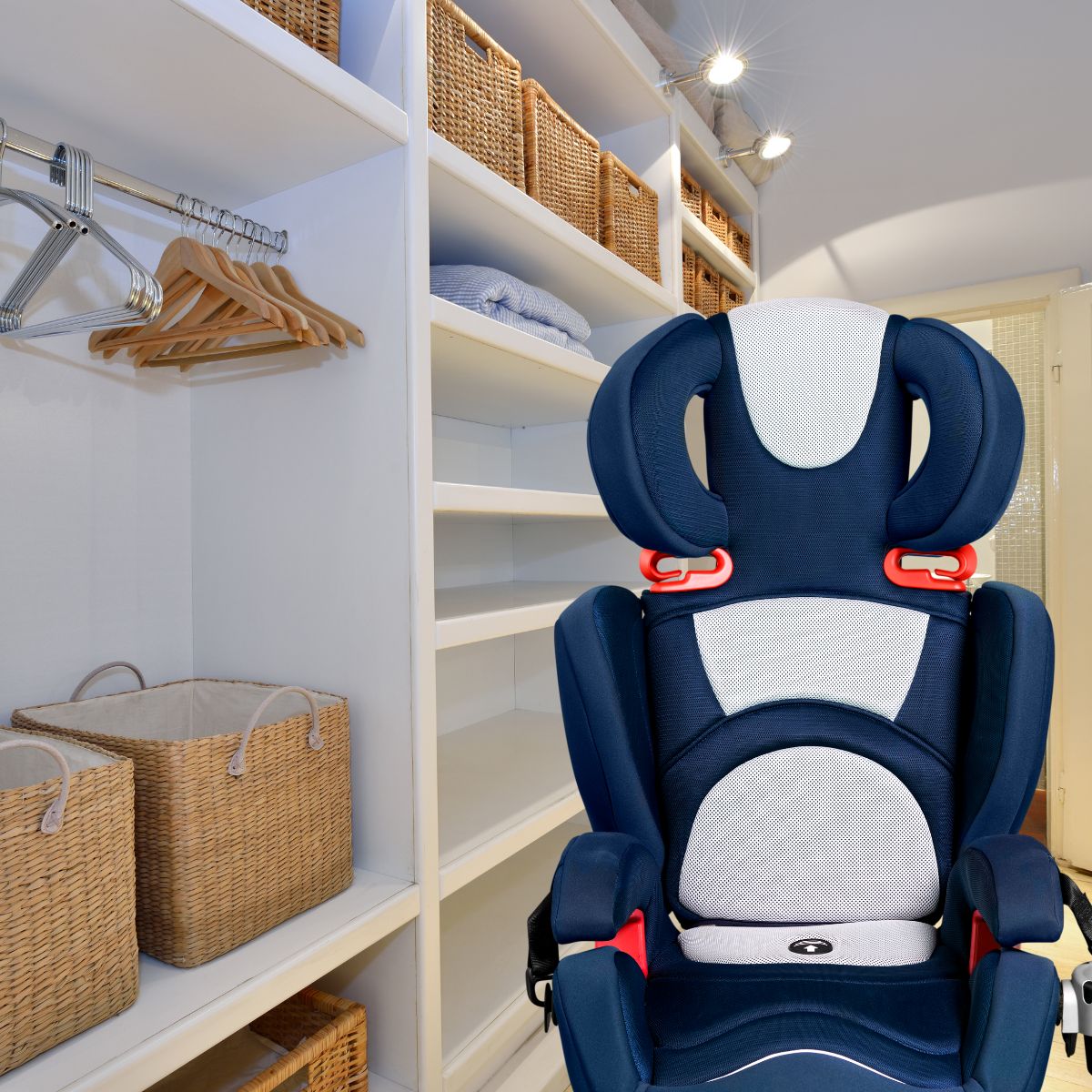
You may not be using your car seat, but you aren't ready to part with it.
You will have to find a place to store it where it doesn't take up too much room.
We will discuss how to store car seats and keep them looking brand new.
Where Is the Best Place To Put Your Car Seat?
The best place to store your car seat is in an indoor closet that is warm and dry. You can remove the padding and store it in a bag with the seat.
It would help if you kept your car seat free of clutter. It would be best if you never piled things on top of the seat, especially things that could cause damage.
Do Car Seats Have a Shelf Life?
Yes, car seats have a shelf life. You will need to check the expiration date, which you will find on the bottom of the seat.
Typically, manufacturers recommend replacing car seats after six years, and some models will have a shelf life of up to ten years, but owners should rely on their judgment when replacing car seats.
Parents must replace the car seat for several reasons. Like everything else, car seats eventually get worn out, and wear and tear will require you to replace your car seat with a newer model.
Toddlers are not known to be the most gentle of creatures, and they chew on straps and spill drinks. You might have to replace your car seat before you reach the six-year mark.
Transportation regulations and standards are constantly changing with evolving technology. New parents should keep informed about safety standards.
Staying informed will also help parents learn about recalls with specific car seats. Modern-day testing might determine that some car seats could be safer.
How Do You Store Leather Car Seats?
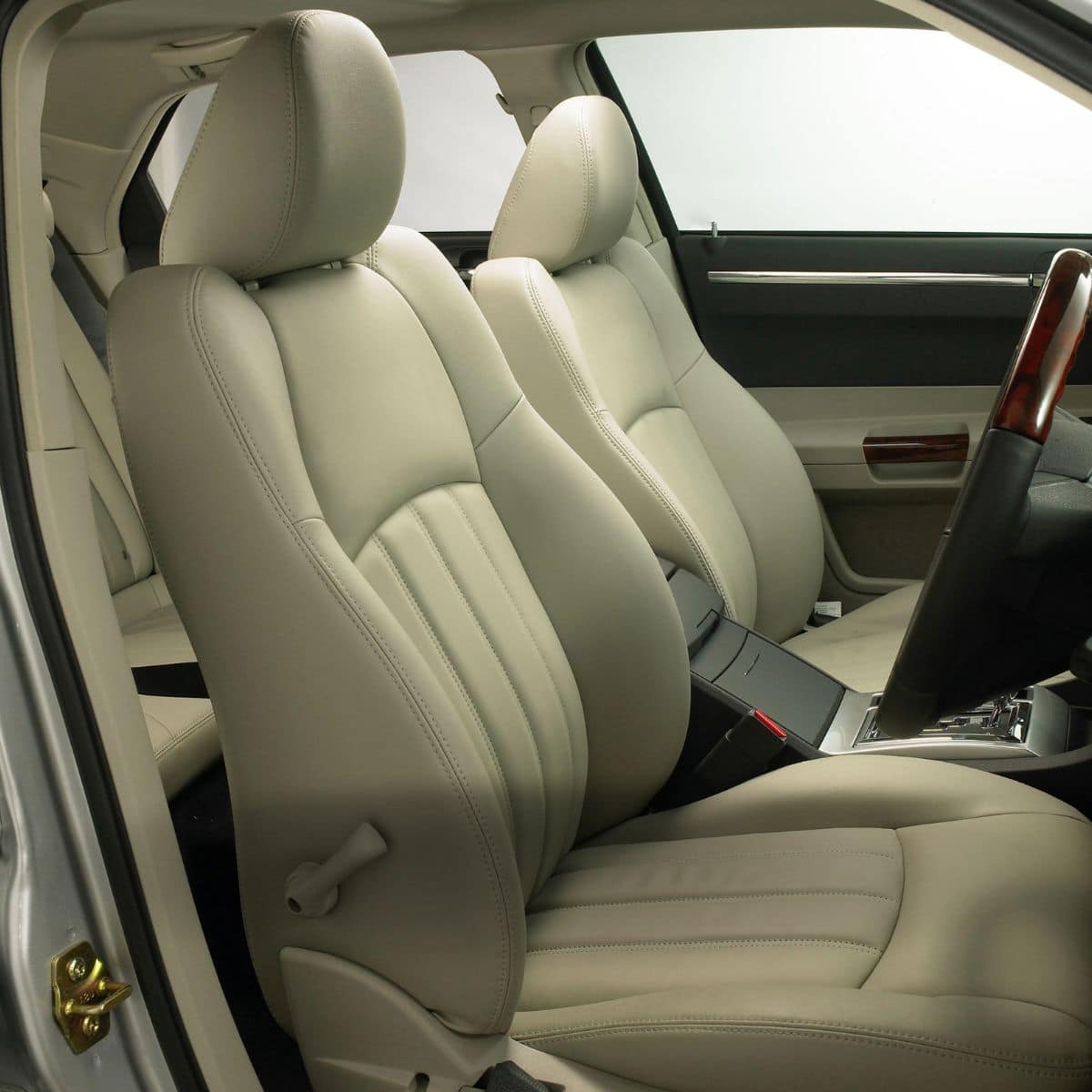
It is essential to store leather car seats in a dry area with mild temperatures. The best way to store your leather car seats is in your home.
You can clear a space in your basement. Seal each seat in a plastic trash bag. You can add some desiccant packages to prevent moisture.
It would be best if you stored the seats on a shelf away from the possible dampness of the floor. You should never keep leather seats in direct sunlight because it can damage the leather, causing it to crack.
Car Seat Storage Organizer
Most cars lack enough storage space, but you can find a great seat storage organizer on Amazon that will change your life.
The Lebogner Car Seat Protector and Backseat Organizer is an excellent product for any busy family and is Amazon's top pick for the best car seat organizer.
The Lebogner Car Seat Protector and Backseat Organizer is simple to install and has room to store your children's devices. The organizer doubles as a seat protector, so you won't think twice about spills and dirty boots kicking the back seat.
Baby Car Seat Storage Ideas
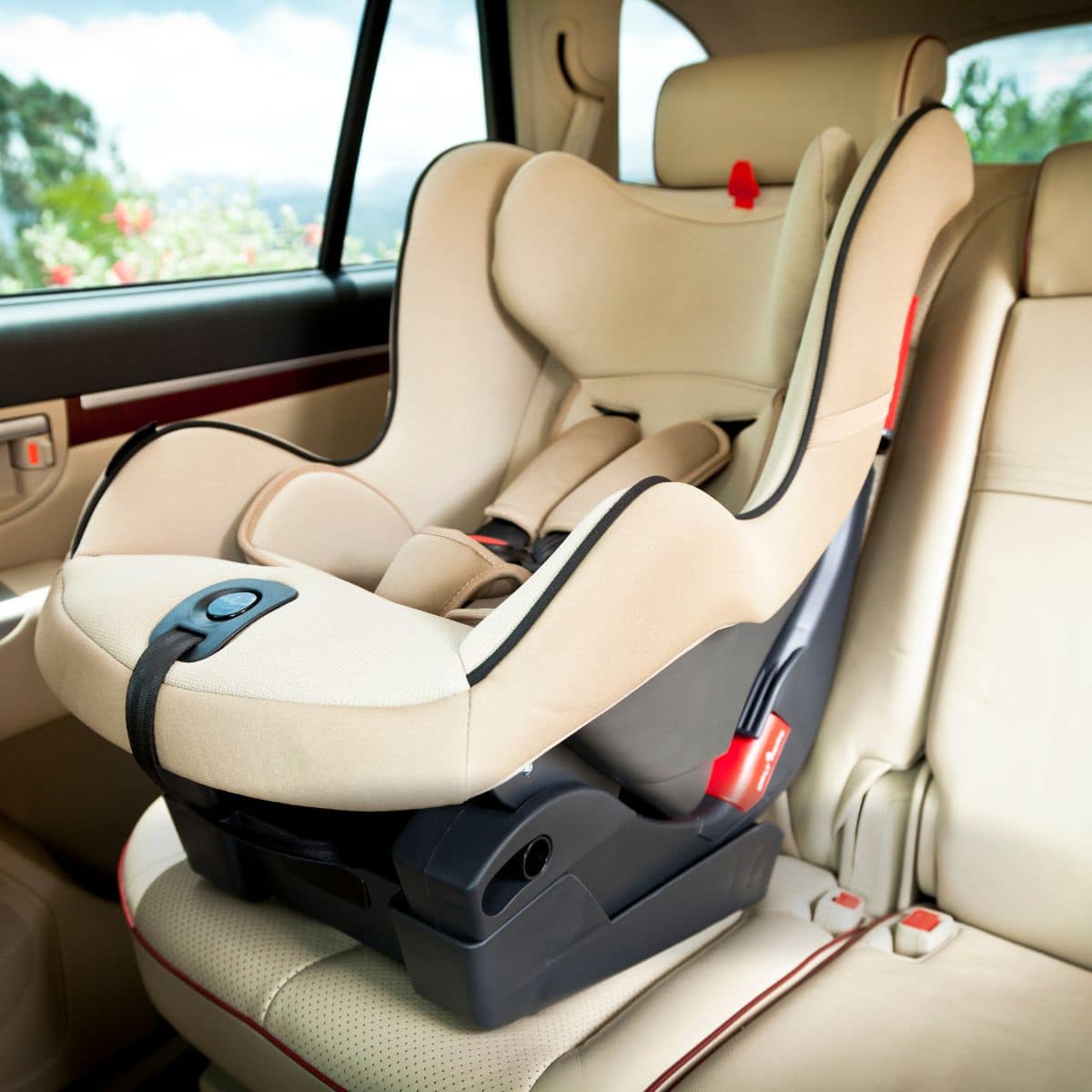
You may want to store your baby car seat until the next bundle of joy comes along. You should clean your car seat before storing it, and a good vacuuming and washing will help keep it looking new.
You can wrap the baby car seat in a blanket and place it in a plastic bag. It is best to store the seat in a warm and dry area. It is crucial to choose a rodent-free place.
The padding of the car seat will make it a very attractive place to build a new home.
You can also store the baby car seat in a large plastic bin. Secure the cover, and it is ready to store. The plastic bin allows more choices for storage because the seat is well protected. You can store the container in the basement or the garage.
Another great storage idea is an oversized shipping box. A strong cardboard box you can seal shut will help keep your baby's car seat in great shape.
It would be best if you stored the box in a dry area on a shelf. Storing the car seat in a cardboard box is best if you decide to keep it inside the house.
Baby Car Seat Storage Bag


You can invest in a storage bag to keep your car seat clean. Amazon's top choice for a car seat storage bag is the Gorilla Grip Durable Easy Carry Gate Check Airport Water Resistant Protector Bag.
You can use this bag when traveling, and you need to store your car seat.
The Gorilla Grip Storage bag is designed with lightweight material that will protect your car seat from dirt and moisture. You can place the car seat inside and find an area in your home to store the car seat.
This storage bag has universal sizing, so it works for all sizes of car seats. You can use it for infant, convertible, and booster seats.
The Gorilla Grip Storage bag is machine washable.
Where To Keep Car Seat in House?
A spare closet is the best place to store your car seat in the house. You should find a warm and dry space and avoid piling things on the car seat. You can keep the car seat in the basement if you have no empty closet space.
If you choose to store the car seat in the basement, you must place it in a plastic bin or trash bag. You want to prevent moisture from getting to your car seat, which can cause mold to develop.
You should find a shelf that is out of the way so there is no chance that the car seat will be damaged.
When you place the car seat in a plastic bag, you can install a hook and hang the car seat. A hook is an excellent option for storing your car seat in a dry place out of the way.
Car Seat Storage Garage
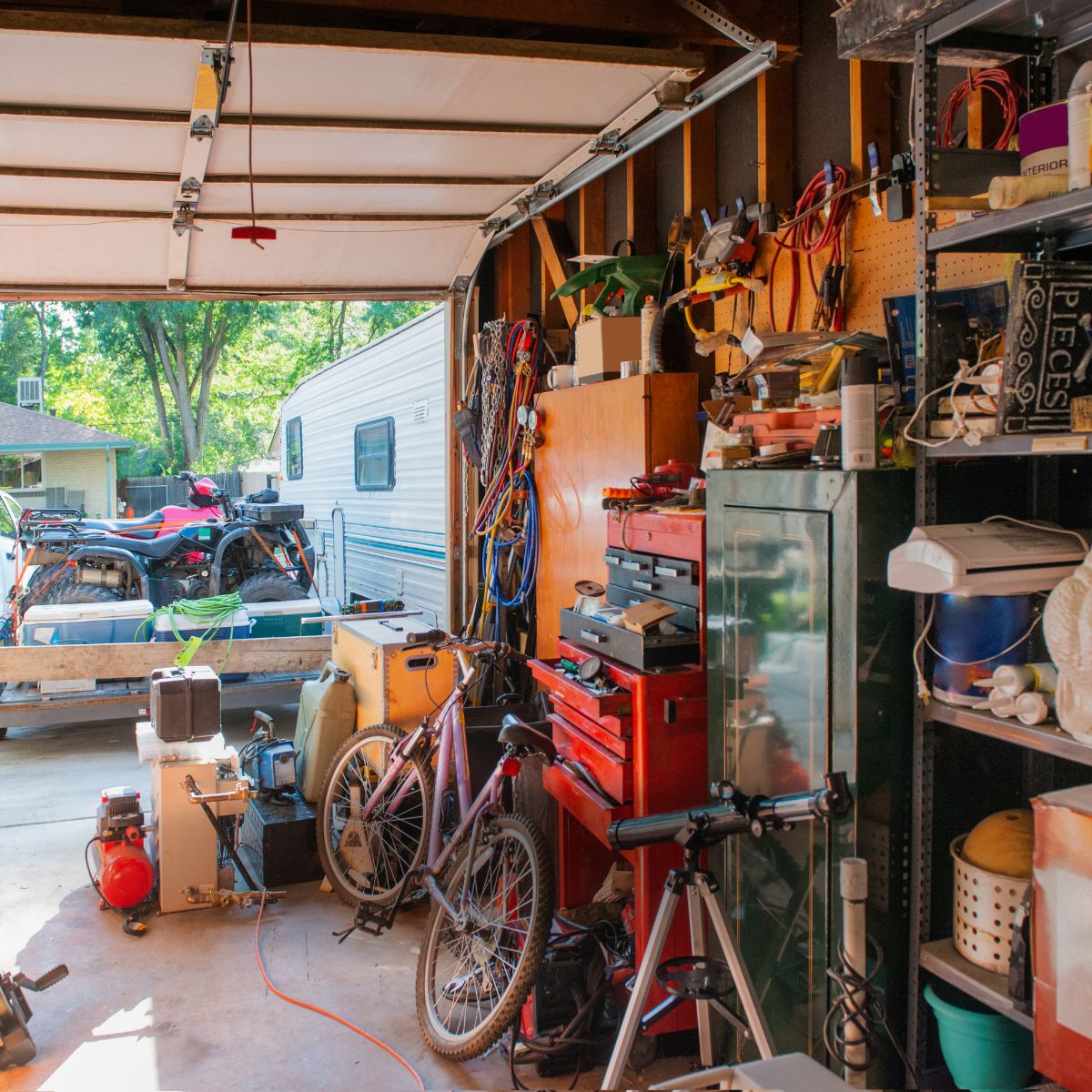
You may not have any room in the house, so you have to find a space in the garage to store the car seat. You should ensure that no rodents, such as mice, would see a car seat as an inviting place to build a nest.
Place the car seat in a plastic bin or bag and store it on a shelf.
You can also install a hook in your garage to hang the plastic bag containing your car seat.
Do I Need To Keep a Car Seat Box?
You don't have to keep the car seat box, but you can use it to store the car seat when you are not using it. The box will protect the car seat. Even though you are using a cardboard box, you should cover the box with plastic to prevent moisture.
A cardboard box makes it very easy to slide it on a shelf.
Final Thoughts
A car seat is vital for your child's safety, and you want to keep it in the best condition possible. If you decide to store your car seat while not using it, you must protect it from any potential damage. The easiest way is to wrap it in plastic and keep it someplace warm and dry.

Growing up I was a carefree male going about life like there was no tomorrow. Naturally, I ‘grew’ up, settled down and started a family.
Going from an independent carefree male to a family man was somewhat of a U-turn and required a lot of learning. Luckily for me, my wife works in education and has always been the shining light always ahead of me on all factors kids related.
Initially, my wife didn’t have a driving license (luckily this has now changed and it does make life easier), and all things car related were my task. Child locks were the obvious starting point which lead me down a rabbit hole.
So far we have personally tested dozens of convertible car seats and have owned five despite neither of our kids having reached the age of 5! Simply put, a car seat can be great on paper, work great on trying out but can fail on you in real life.
This is why I have put together this website – to help inform and educate you!
Of course, as I mentioned above, at the end of the day your experience will be the best test so I’d love to hear your experiences and feedback in the comments.
To contact me personally, please do so through my contact page.
I look forward to hearing from you!
Peter
P.S. If you click a link on my site and end up buying a car seat on Amazon, I’ll get paid a small commission (or as the Amazon lawyers put it: “As an Amazon Associate I earn from qualifying purchases”)
Leave a Reply