The ceiling of a car is often overlooked during routine cleaning. Over time, this can leave your vehicle's ceiling looking noticeably stained and discolored. Fortunately, there are several ways to clean your car's ceiling.
Some of the best and safest ways to clean the ceiling of a car include wiping it with a microfiber cloth, vacuuming away surface dirt, and applying a mixture of white vinegar and dish soap. The best methods vary depending on the amount of dirt and staining you're working against.
Without further ado, let's jump into some of the best ways to get your car's ceiling looking its best!
1. Wipe the Ceiling With a Soft Microfiber Cloth
Unless you smoke while driving, the first thing you'll want to do when cleaning your car's ceiling (also called the headliner) is wipe it with a clean, soft microfiber cloth. If you do smoke in your car, go ahead and skip to method four.
Microfiber cloths naturally attract dirt and oil. So, they can capture far more grime than paper towels or cloth washcloths.
2. Vacuum Away Surface Dirt and Dust
A handheld vacuum cleaner is also an excellent car-cleaning tool that you can use to clean your vehicle's headliner.
A handheld vacuum is bound to be a useful addition to your supply list if you're attempting to clean quickly and reduce the amount of dirt and dust that could fall onto your vehicle's floorboards and seats.
But whether you've decided to wipe or vacuum, the next thing you'll want to do is deodorize and sanitize the ceiling fabric.
3. Apply a Mix of Vinegar, Baking Soda or Dish Soap
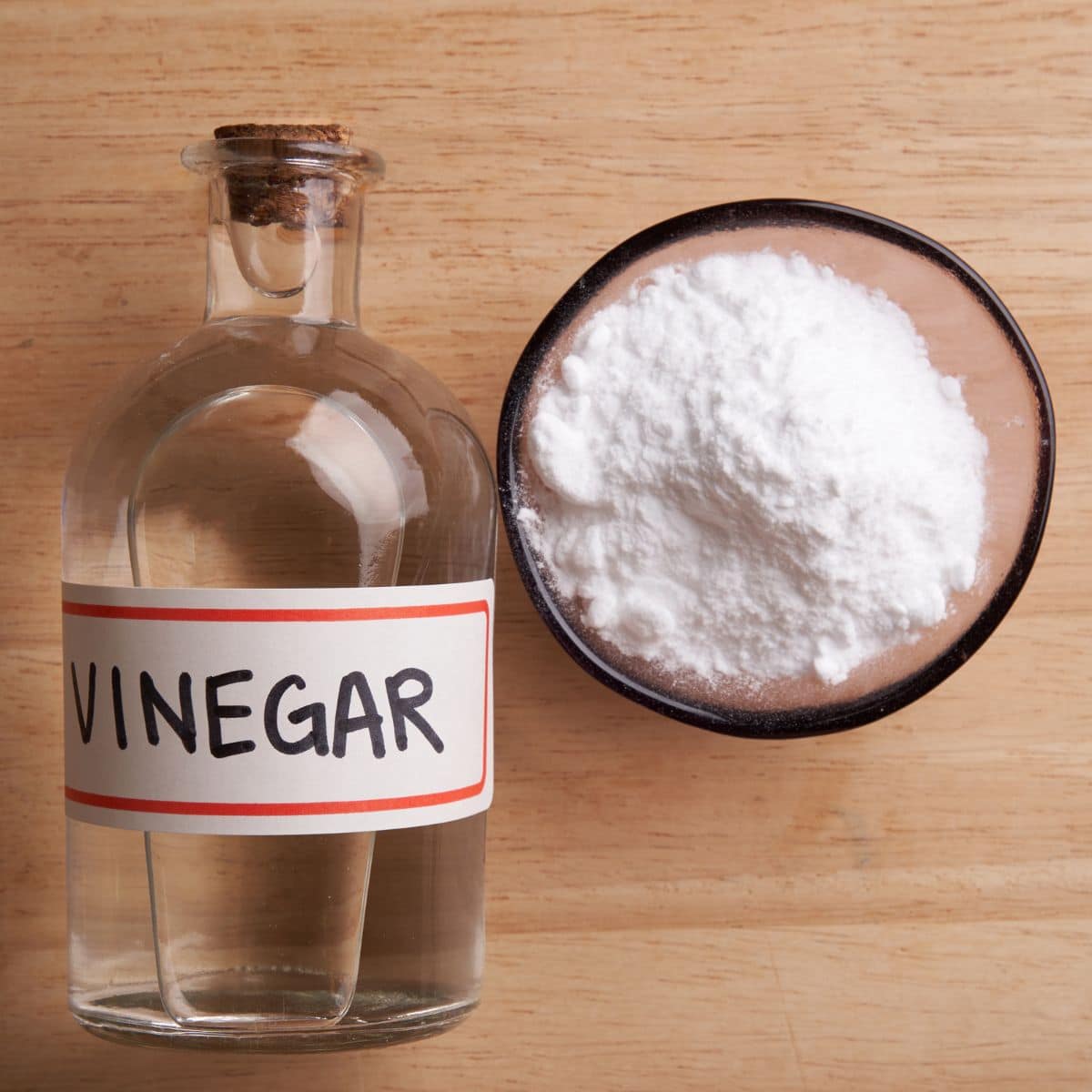
White vinegar has many household cleaning uses, including sanitizing and deodorizing. When you mix this pungent liquid with a few drops of dish soap, you end up with an unstoppable all-purpose cleaning solution.
So, take a plastic spray bottle with an adjustable nozzle and fill it about halfway (a little more than halfway is fine) with white vinegar. Then add between five and ten droplets of dye-free dish soap. After that, fill the remaining space in the bottle with warm water.
Give the bottle a firm shake (after securing the cap and nozzle), then adjust the spray nozzle to a fine mist setting. Grab a handful of clean, dry microfiber cloths and head to your vehicle.
Spray the vinegar-and-soap solution onto a section of your car's headliner. Using gentle circular motions, use a cloth to work the liquid into the fabric.
Then use a different cloth to dab the area dry. Repeat this process until you've cleaned all areas of your car's ceiling.
If a few stains remain, don't worry. You can spot-clean these stubborn areas to achieve an ideal final result.
4. Use a Soft-Bristled Brush to Dislodge Dirt
Is your car's ceiling covered in a fine layer of ash and dirt? If you smoke while driving, the answer is most likely yes.
In this instance, you'll likely want to use a soft-bristled brush to dislodge that surface debris. Wiping and vacuuming can press ash and cigarette debris into the fabric of your headliner, making it more challenging to remove.
After brushing loose any debris collected along the car ceiling, utilize methods two and three to reduce unpleasant odors, remove stains, and brighten the look of the fabric.
5. Spot-Clean Tough Stains With a Brush
Wiping and vacuuming are excellent ways to clean large portions of your car's ceiling. But when removing tough stains, you'll want to switch to spot-cleaning with a brush.
Of course, it's crucial not to use too much pressure when spot-cleaning headliner stains. This video by Detail Groove shows the proper technique for agitating tough stains with a brush: How To Clean Car HEADLINER- Interior Car Detailing Tips
You'll want to soak your brush's bristles in vinegar and dish soap. You can also spray the bristles with the mixture used for general large-surface cleaning (described in method three).
6. Apply Hot Steam to Trouble Areas and Wipe Clean

If you own a handheld fabric steamer, you can use this device to gently loosen stains and tough grime from your car's ceiling.
The PurSteam Handheld Pressurized Steam Cleaner is one of the best devices for cleaning a fabric vehicle ceiling. It has a small brush attachment ideal for spot-cleaning stains and hardened debris (like chewing gum or food residue).
The precise method you'll want to use when steam-cleaning away dirt and stains varies depending on your steamer's instructions and guidelines.
That said, you'll generally want to apply several bursts of steam to the trouble area, wait a few seconds, then dab the area dry with a dry microfiber cloth. If the stain has yet to fade, repeat the process.
7. Apply Dye-Free Laundry Detergent to the Headliner
For those tackling troublesome stains, dye-free liquid laundry detergent could be a worthwhile option.
Liquid laundry detergent pours on easily to brush bristles and cloths, seeping into fabrics quickly. Additionally, laundry detergent is designed to separate dirt and oil from fabrics.
These qualities make it an excellent cleaning solution for filthy headliners.
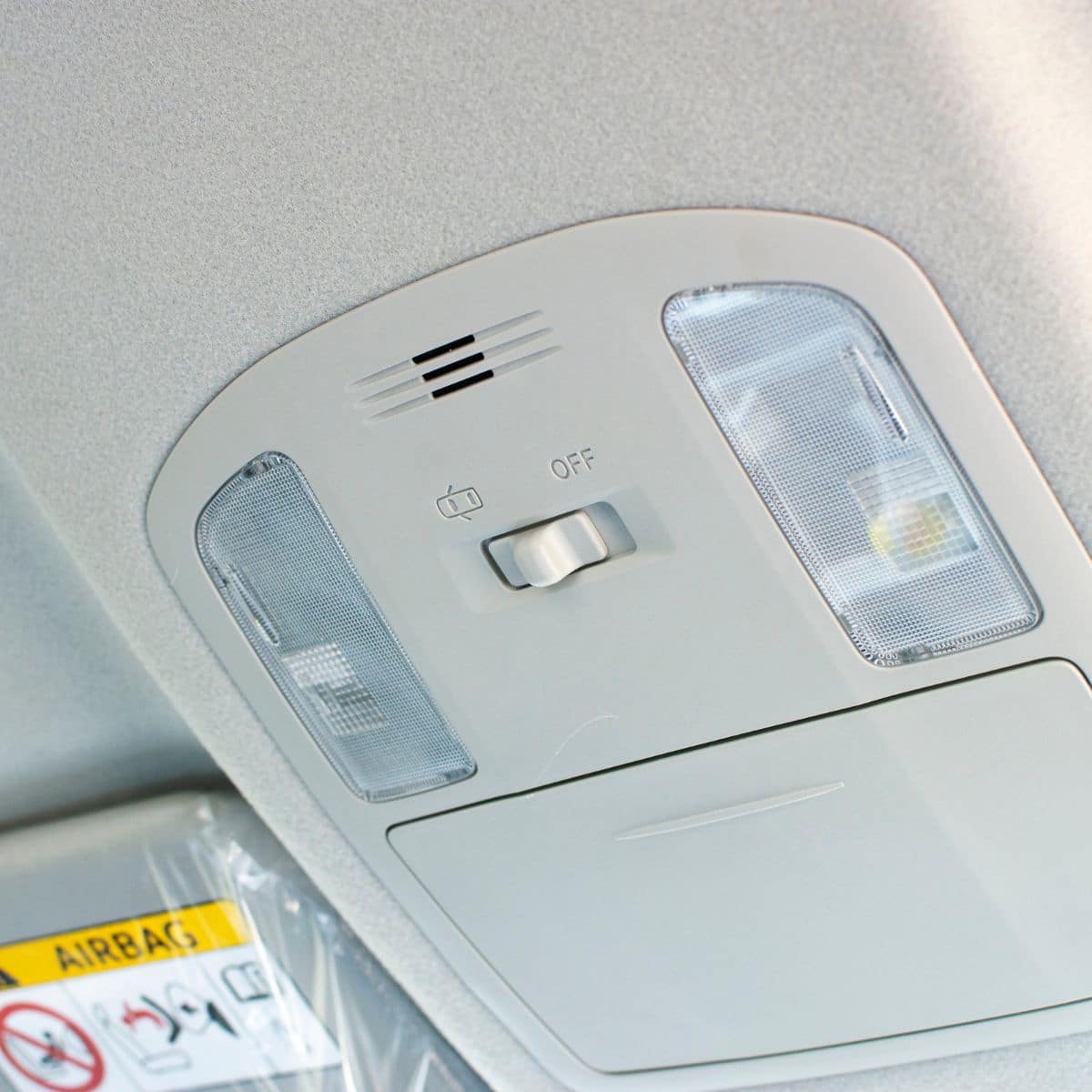
Still, you'll want to use a dye-free detergent for your car's ceiling, and you'll only want to apply a small amount. Having a spray bottle of plain water on hand is also vital, as the liquid detergent can only remove dirt and stains when combined with water.
To employ this method, you'll want to:
- Gather the necessary supplies and tools (liquid detergent, multiple clean microfiber cloths, a soft-bristled brush, and a spray bottle filled with water)
- Apply the laundry detergent to a clean microfiber cloth or the bristles of your brush, ensuring that you're only using a few drops at a time
- Gently rub the detergent-covered cloth or brush over the soiled area of the ceiling
- Spray a fine mist of water onto the areas where you've applied the liquid detergent
- Rub a dry microfiber cloth (using minimal pressure and working in small circles) to agitate the detergent and water
- Pat the area dry with a separate dry cloth
- Repeat the process as necessary to remove stains or foul odors from the headliner
What Can I Use To Clean the Ceiling of My Car?
You can use several tools and cleaning products to clean a car's ceiling.
Some of the most helpful tools to use when cleaning your car's interior ceiling include:
- Microfiber cloths
- A soft-bristled handheld brush
- A spray bottle (for homemade cleaning liquids)
- A handheld vacuum cleaner
- A handheld fabric steamer
In terms of cleaning products, you'll want to start with common household liquids like dish soap and white vinegar. When mixed together with warm water and sprayed in a fine mist on cloth ceiling surfaces, these products can deodorize, sanitize, and remove set-on dirt.
Of course, if vinegar, dish soap, and water aren't removing dirt effectively, you can also try a purpose-made cleaning solution like Armor All Carpet & Upholstery Cleaner. This product is an excellent option for ceilings that have never been cleaned or those with significant stains.
A dye-free liquid laundry detergent is also a potential option. If you use this liquid to clean your car's headliner, only use a small amount (applied directly to a microfiber cloth).
If you apply too much, removing the detergent from the ceiling fabric can be challenging, resulting in dried-on soap that can cause discoloration.
How Do You Clean White Car Ceilings?
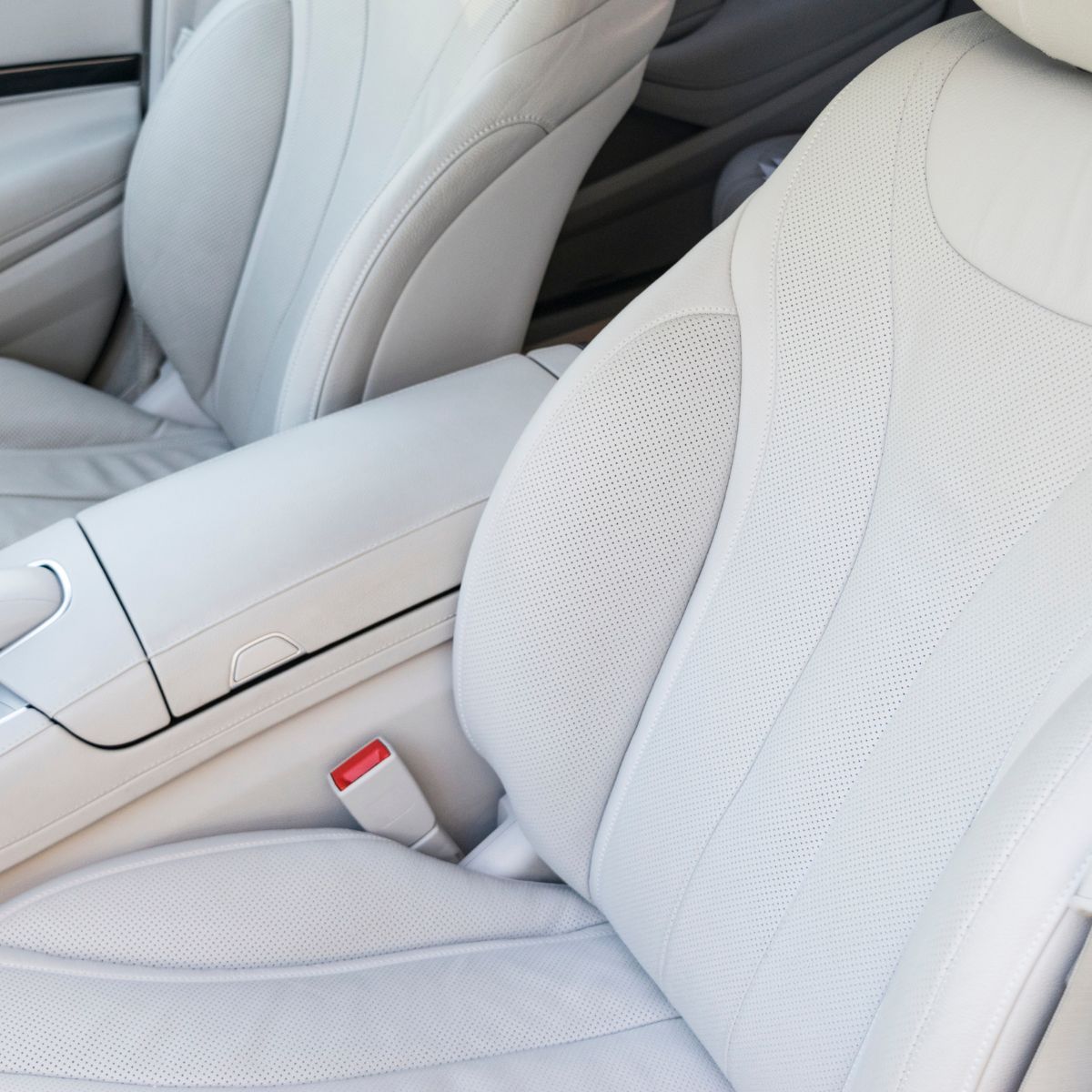
You can clean white car ceilings in the same way you'd clean any other car ceiling. Any of the methods outlined in the article will help you achieve the same result; a cleaner, better-smelling interior!
No matter the color of your car's interior ceiling, spot-check the fabric before applying a cleaning liquid to the entire surface. Doing so will help prevent unsightly chemical stains or unexpected color fading in the fabric.
What Is the Best Thing To Clean Car Interior With?
Natural chemicals and household liquids are often the best things to clean car interiors with. Baking soda, vinegar, and dish soap are some of the best options that leave interior fabrics stain-free, clean, and deodorized.
That said, you can also use products made specifically for car interiors. For example, Armor All has a wide range of car care products, many of which are designed to keep vehicle interiors clean and well-maintained.
How Do I Get Smoke Stains off My Car Ceiling?

Getting ash and yellow nicotine stains off a car ceiling can take more time and effort than ridding your car's headliner of dirt. That said, getting a smoke-stained car ceiling back to pre-stained condition is possible.
To do this, you'll want to:
- Use a handheld vacuum to gently remove any surface ash and dirt
- Fill a spray bottle with white vinegar and add two to five drops of dye-free dish soap
- Cover the fabric ceiling with a fine mist of the liquid vinegar-and-soap solution
- Wipe the dampened ceiling with a clean microfiber cloth
- Repeat the spray-and-wipe process until the microfiber cloth no longer picks up any remaining dirt
If this cleaning process doesn't remove all traces of smoke from your car ceiling, you might want to contact a reputable vehicle detailer for assistance.
Car detailing and cleaning companies have access to equipment, such as handheld steam cleaners, that can prove more effective at removing tough nicotine residue.
Final Thoughts
There are several safe ways to clean the ceiling of a car. If you've never cleaned your car's interior ceiling and it's looking a little dirty, it's best to start with a simple vacuum or wipe-down before moving on to liquid-based solutions.

Growing up I was a carefree male going about life like there was no tomorrow. Naturally, I ‘grew’ up, settled down and started a family.
Going from an independent carefree male to a family man was somewhat of a U-turn and required a lot of learning. Luckily for me, my wife works in education and has always been the shining light always ahead of me on all factors kids related.
Initially, my wife didn’t have a driving license (luckily this has now changed and it does make life easier), and all things car related were my task. Child locks were the obvious starting point which lead me down a rabbit hole.
So far we have personally tested dozens of convertible car seats and have owned five despite neither of our kids having reached the age of 5! Simply put, a car seat can be great on paper, work great on trying out but can fail on you in real life.
This is why I have put together this website – to help inform and educate you!
Of course, as I mentioned above, at the end of the day your experience will be the best test so I’d love to hear your experiences and feedback in the comments.
To contact me personally, please do so through my contact page.
I look forward to hearing from you!
Peter
P.S. If you click a link on my site and end up buying a car seat on Amazon, I’ll get paid a small commission (or as the Amazon lawyers put it: “As an Amazon Associate I earn from qualifying purchases”)
Leave a Reply