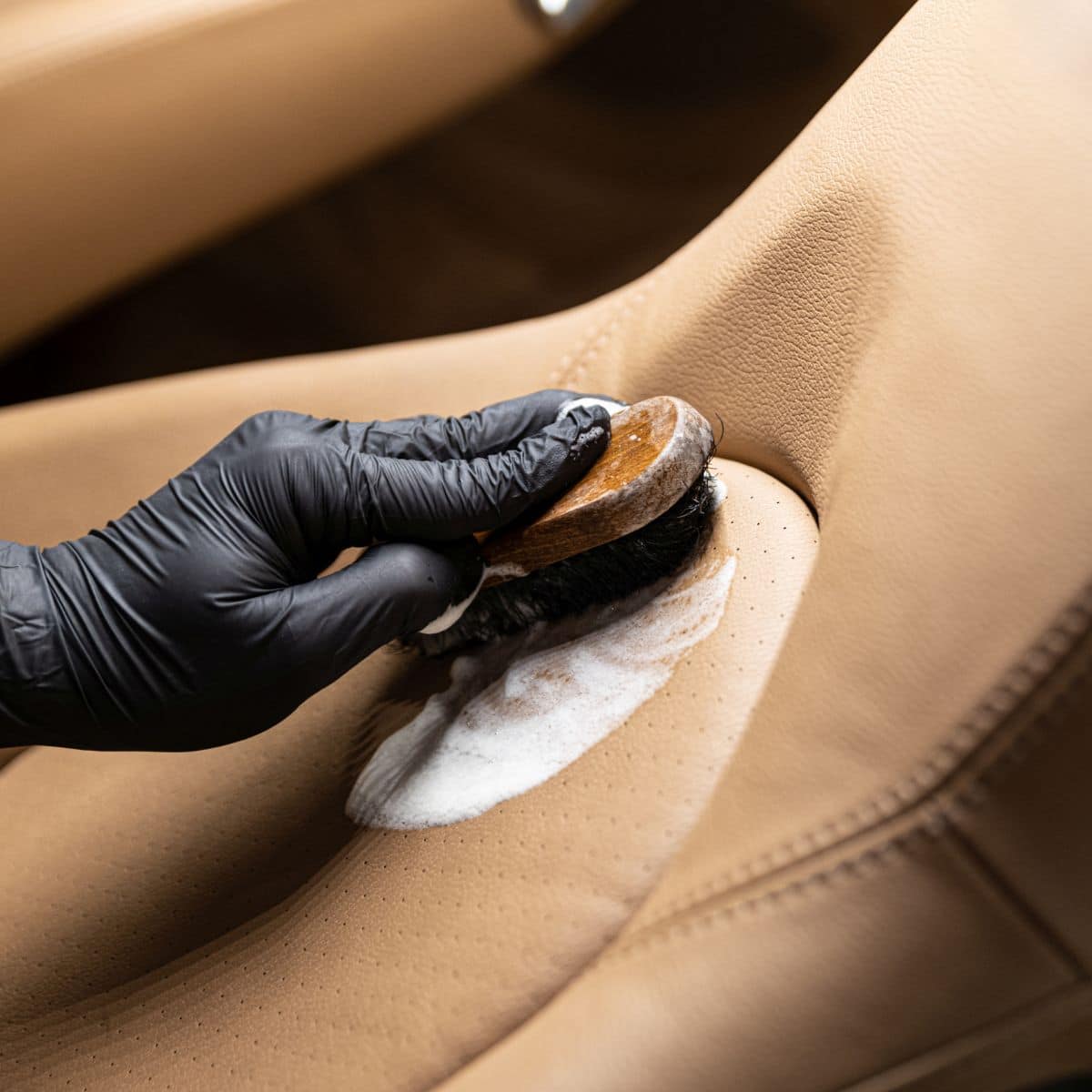
There’s nothing worse than finding a sticky wad of gum sticking to your car seat. You have to clean it off before someone sits in it.
The gum may be on the exterior of your car, which is just as frustrating.
You can buy certain products that will help you remove the gum, such as a bug or tar remover, Goo Gone, or WD-40.
Or you can just use something that you already have around the house, like peanut butter, an ice cube, white vinegar, or adhesive tape.
Try them out! You’ll see that it works.
If you’re looking for more details, keep reading, and you will learn the easiest ways to get the gum off your vehicle.
How Do You Get Melted Gum Off a Car?
Have you ever spit your gum out the car window while driving, only to find it sticking to your car’s exterior?
No worries; there are several ways you can remove this gum without scratching your car’s paint.
You should gather your materials before you start the cleaning process. Grab whatever product you use along with a trash bag so you can quickly dispose of the gum.
You don’t want to leave the gum somewhere to melt again.
You will need something to remove the gum. Choosing something with a sharp edge, like a putty knife or even a pair of tweezers, is best.
It is also a good idea to wear a pair of rubber gloves, especially if you don’t know who left the gum.
Use Peanut Butter
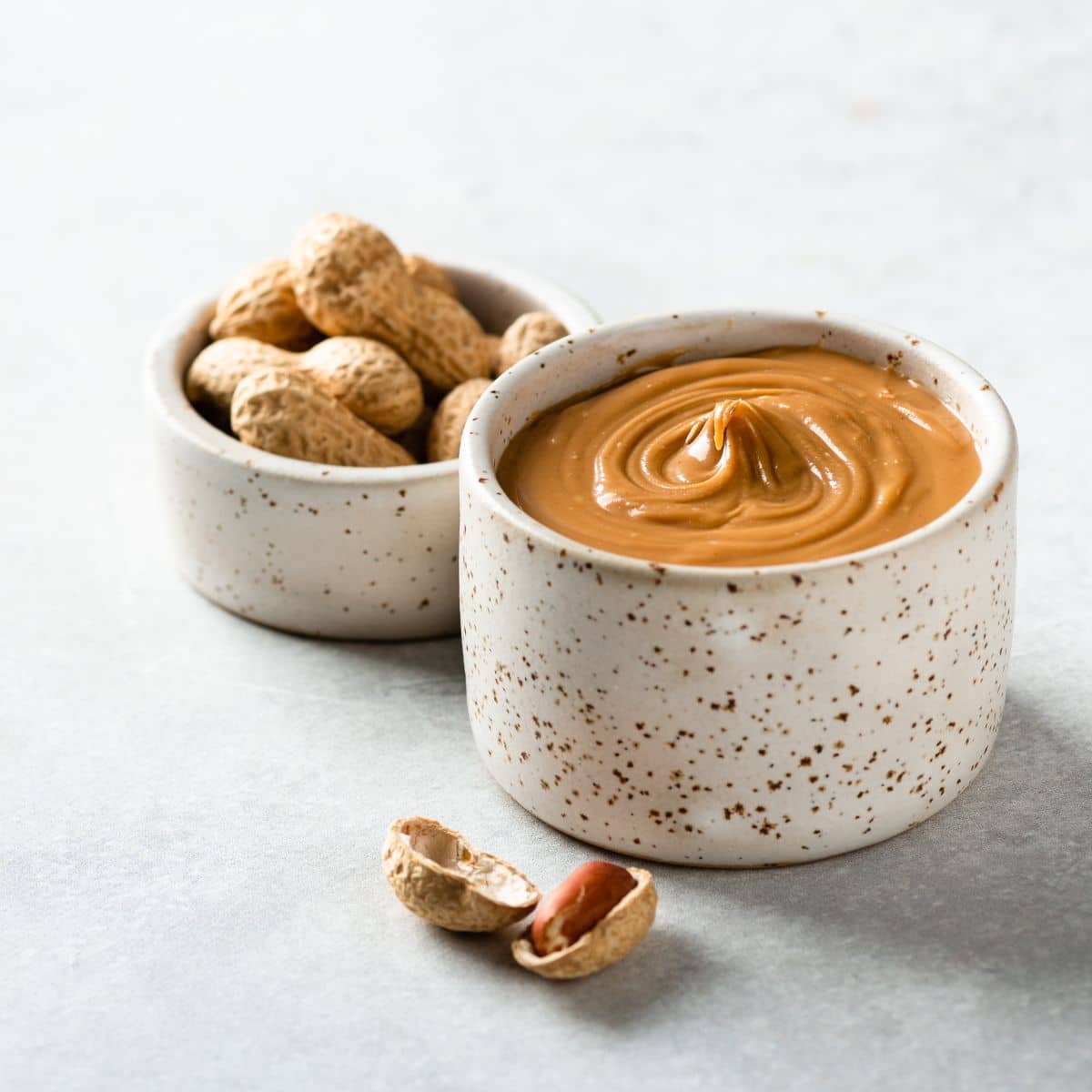
You might be surprised to learn that the oil in peanut butter will help dissolve melted gum. If you don’t have peanut butter, you can use butter, mayonnaise, olive oil, canola oil, or even coconut oil.
The oil in these products will help break down the gum making it easier to remove.
Spread the peanut butter over the gum. It will work best to get the peanut butter under the edges.
Use your fingers to rub the peanut butter into the gum. Leave the peanut butter for several minutes.
Use a soft cloth and wipe the gum away. You should avoid using a putty knife or an implement with sharp edges, so you don’t scratch your car’s paint.
It would be best if you cleaned the area with soap and water to remove any traces of the peanut butter.
No peanut butter? No problem! Grab some vegetable oil, and you’ll have that gum gone in no time. You will also need a soft brush, putty knife, and paper towel.
Apply a few drops of vegetable oil to the gum and let it sit for several minutes.
You can dry the area with a paper towel and use your fingers to pry the gum off. Once you have removed most of the gum, use the soft brush to scrub away any left-behind particles.
It is essential to sponge the area with soapy water to remove all traces of vegetable oil.
Bug or Tar Remover

You can spray a bug and tar remover like BugN’All on the gum, and Amazon rates this product as the best in its class. BugN’All is safe on all fabrics and works very fast. You can use it on the exterior of your car or the body without worrying about damage.
It is always wise to test any product on a small area of your seat to ensure that it will not damage or discolor your car.
Leave it on for about a minute, and then wipe the gum away. Clean the area with soap and water.
BugN’All is an excellent product to keep in the garage because it works wonders on any dirt and grime you may find in your car. Customers will be happy to know that there is a 30-day money-back guarantee if they are unsatisfied with the product.
How Do You Get Dried Gum Out of Upholstery?
Here are two methods to get dried gum out of your car upholstery.
Use an Ice Cube

One of the best ways to clean gum is to use an ice cube to freeze it. Seal the ice cube in a plastic bag. Hold the bag of ice on the gum until it is nice and hard.
Use something with a sharp edge, like a plastic card, putty knife, or razor, to slide under the gum. It would be best if you twisted gently until the gum came off.
Once you have removed the gum, you should clean the area with soap and water.
You can use the ice cube method as your first choice or use it as a second option if there are remaining gum particles. You can rub the ice over the gum, and you will be able to scrape the cold gum particles off the seat.
Goo Gone

Goo Gone is an excellent product for your home, and you never know when you will run into a sticky situation.
This stain removal product is safe for upholstery, but you shouldn’t use it on leather or suede. It is always wise to test it on a small area that is not visible to ensure it won’t damage your upholstery.
Goo Gone is Amazon’s top choice for removing sticky messes. This product will remove sticky substances like gum, tape residue, and glue without harming the surface of your car seats.
Apply the Goo Gone to the gum and surrounding area with a soft towel. Let the product do its work for about 5 minutes.
You should be able to peel the gum away easily. You can use adhesive tape or a soft brush to remove any remaining gum. Clean the area with hot soapy water.
How Do You Get Gum off Vinyl Car Seats?
Here are a couple of suggestions to get gum off vinyl car seats.
White Vinegar
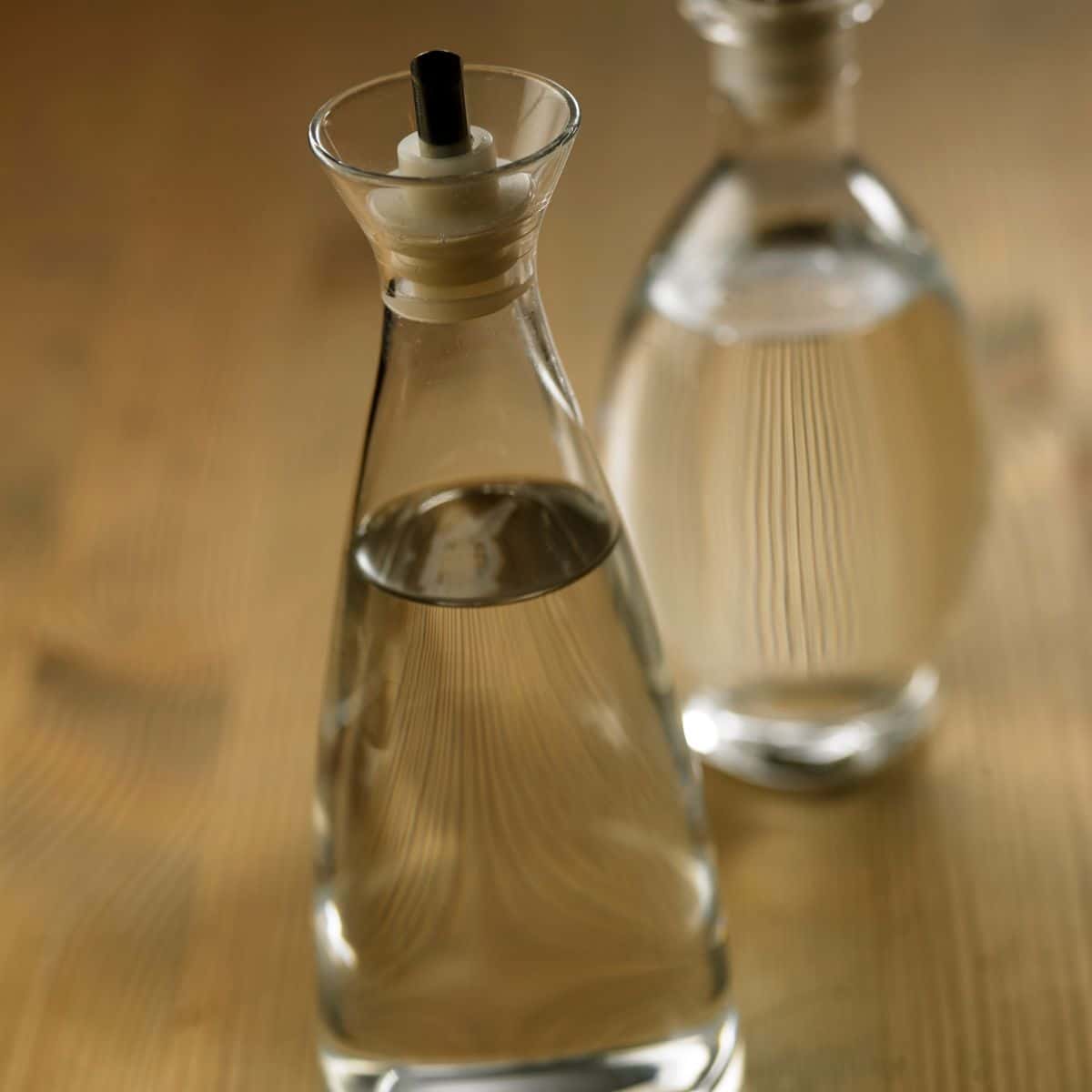
White vinegar is one of the best all-natural cleaning products and is highly effective for removing gum from vinyl seats. You will be pulling the nasty wad of gum while cleaning your seats.
You should carefully measure 1 tbsp of white vinegar, tbsp of liquid dish soap, and 2 cups of warm water. It is essential to mix the ingredients to avoid creating too many suds.
Take a soft cloth and saturate the gum and the surrounding area with the vinegar solution. Allow the area to sit for several minutes.
You can use a scraper or tweezers to remove the gum from the vinyl seats. While cleaning the gum away, you can use your vinegar mixture to clean your seats. Dab your seats with a dry cloth to remove excess moisture would be best.
You can also use white vinegar to clean your windows and dash for clear results. You can apply the vinegar mixture with a soft cloth and then wipe with a clean, dry cloth.
You might be hesitant to try vinegar because of its overpowering odor, but it will fade quickly.
WD-40
WD-40 will also remove gum from car seats, and the oil helps break down the gum and detach it from the seat.
Apply the WD-40 to the gum and allow it to sit for several minutes. You can wipe it away with a soft cloth and use a soft brush to loosen the remaining gum if any gum remains.
WD-40 is an oily product you will have to remove from your seat. You can use soap and water to clean the area where you applied the WD-40 and sponge the area until you clean away the oil.
Adhesive Tape
You can use adhesive tape with any other method to remove the remaining gum particles. You can use any sticky tape by pressing it firmly over the gum residue and lifting it. You might have to repeat this process several times before you remove all the gum.
Tip: Use an ice cube on the remaining particles to harden them before trying to lift them with the tape. You can also use a putty knife to scrape off the gum.
Final Thoughts
Gum can create a very sticky mess, but it is possible to clean it up. Cleaning becomes a breeze when you use the right product for the job. You will be surprised at how quickly you can remove unwanted gum from your car.

Growing up I was a carefree male going about life like there was no tomorrow. Naturally, I ‘grew’ up, settled down and started a family.
Going from an independent carefree male to a family man was somewhat of a U-turn and required a lot of learning. Luckily for me, my wife works in education and has always been the shining light always ahead of me on all factors kids related.
Initially, my wife didn’t have a driving license (luckily this has now changed and it does make life easier), and all things car related were my task. Child locks were the obvious starting point which lead me down a rabbit hole.
So far we have personally tested dozens of convertible car seats and have owned five despite neither of our kids having reached the age of 5! Simply put, a car seat can be great on paper, work great on trying out but can fail on you in real life.
This is why I have put together this website – to help inform and educate you!
Of course, as I mentioned above, at the end of the day your experience will be the best test so I’d love to hear your experiences and feedback in the comments.
To contact me personally, please do so through my contact page.
I look forward to hearing from you!
Peter
P.S. If you click a link on my site and end up buying a car seat on Amazon, I’ll get paid a small commission (or as the Amazon lawyers put it: “As an Amazon Associate I earn from qualifying purchases”)
Leave a Reply