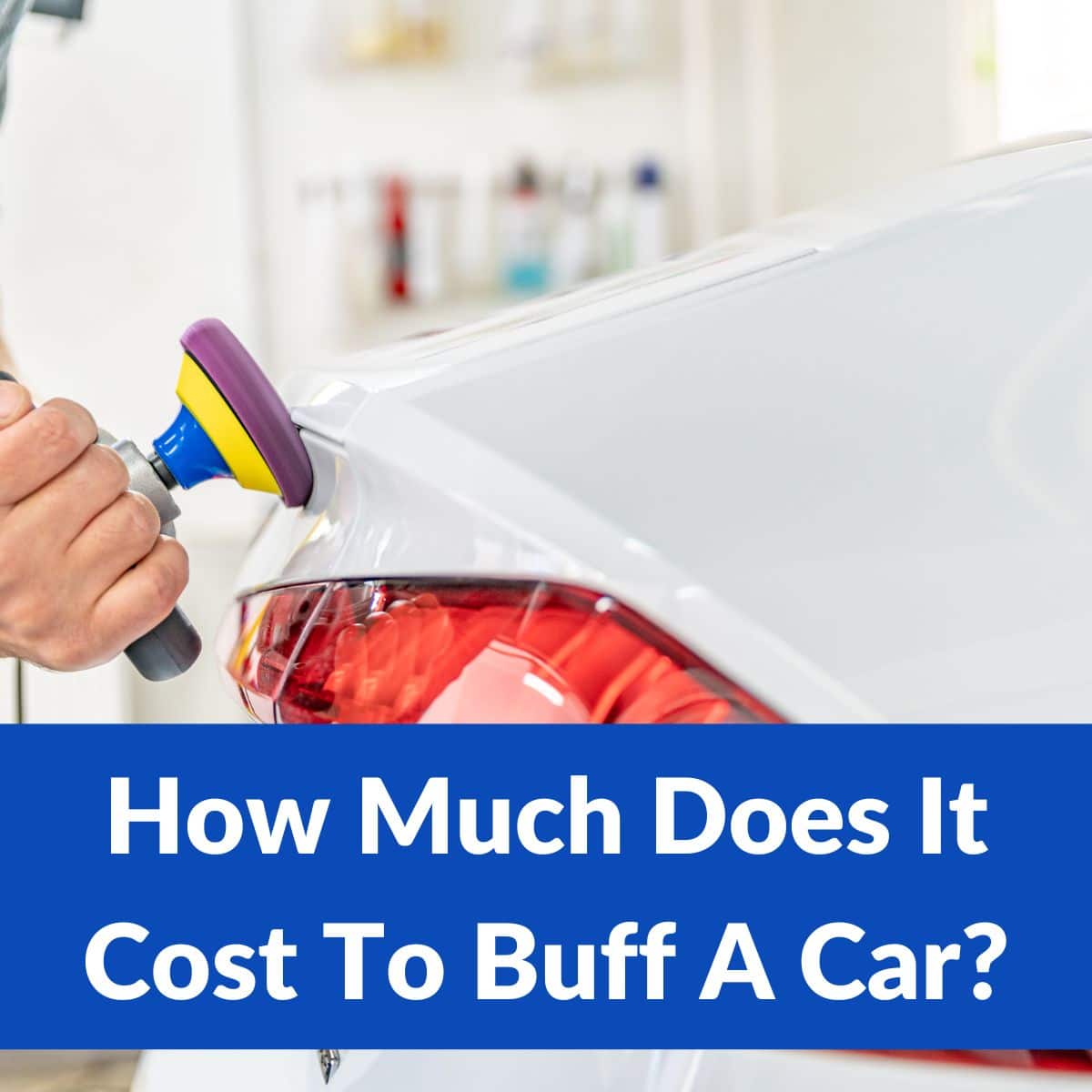
Buffing your car is a process to keep it looking pristine and like new. Many people assume that washing the car is good enough. The truth is, it is not.
Depending on the condition and appearance of your car, it might need more than a deep wash. That is when buffing comes in handy.
We'll reveal everything you need to know about buffing a car for a reasonable price. You will have a general idea of the price, service, and truth behind it.
Our information will encourage you to choose polishing, waxing, buffing, or all three during your next car detail service.
How Much Does It Cost to Buffer Your car?
The cost of buffing your car will vary depending on two options: paying a service to do it or doing it yourself. Buffing a car can be both cheap and expensive, depending on some factors.
Let’s talk about both options in detail.
Buffer a Car Yourself
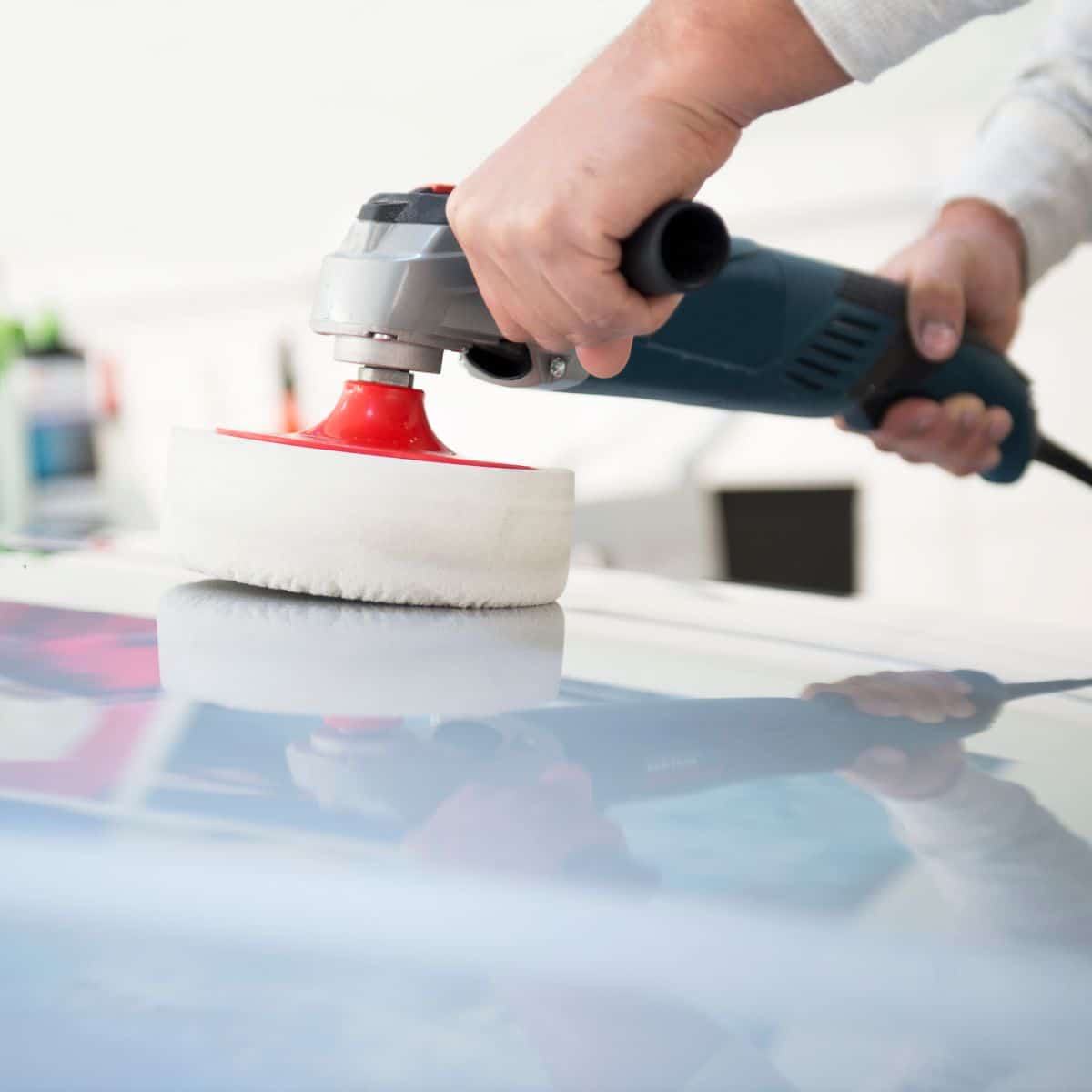
The quick truth is that it is not straightforward to buffer a car by yourself. If you would like to buff a car on your own, you will need some crucial supplies and to follow directions.
Buy the Right Tools
The first thing you need to do is buy the right tools for the job. If you don’t have the right tools or choose low-quality materials, the job will not show the results you are expecting.
We recommend the following tools and materials:
Power buffer
Car soap and sponges
Car microfiber towels
Car wax
Prepare the Car
The last thing you want to do ies buff your car when all the dirt and grime Are still there. Before you buff, wax, or polish the automobile, you should wash and prepare it.
You can prevent further damage to the car's body by cleaning it before the detailing service.
Follow these preparation steps:
Rinse your car.
Wash it with soap and water.
Rinse the vehicle again.
Dry the car of any moisture.
Buff Your Car
Using the right amount of product on your buffing tools is one of the most crucial parts of buffing a vehicle. You should apply an even amount of buffing cream to the areas of the car that need it most.
Follow these buffing steps:
Spread the cream on the buffing pad.
Begin buffing the car in circular motions.
Buff each area with scratches until they disappear.
Wax Your Car
The last step is to apply a waxing solution once the buffing finishes. Waxing is important as buffing is an intense process for the car’s exterior. Since the buffer can affect the car’s finish and gloss, wax is important to give the car its final shine.
Follow these steps for waxing:
Apply the wax onto one part of the car.
Use a microfiber cloth or buffer to apply wax.
Rub in the wax using circular motions.
Pay a Service to Buffer Your Car
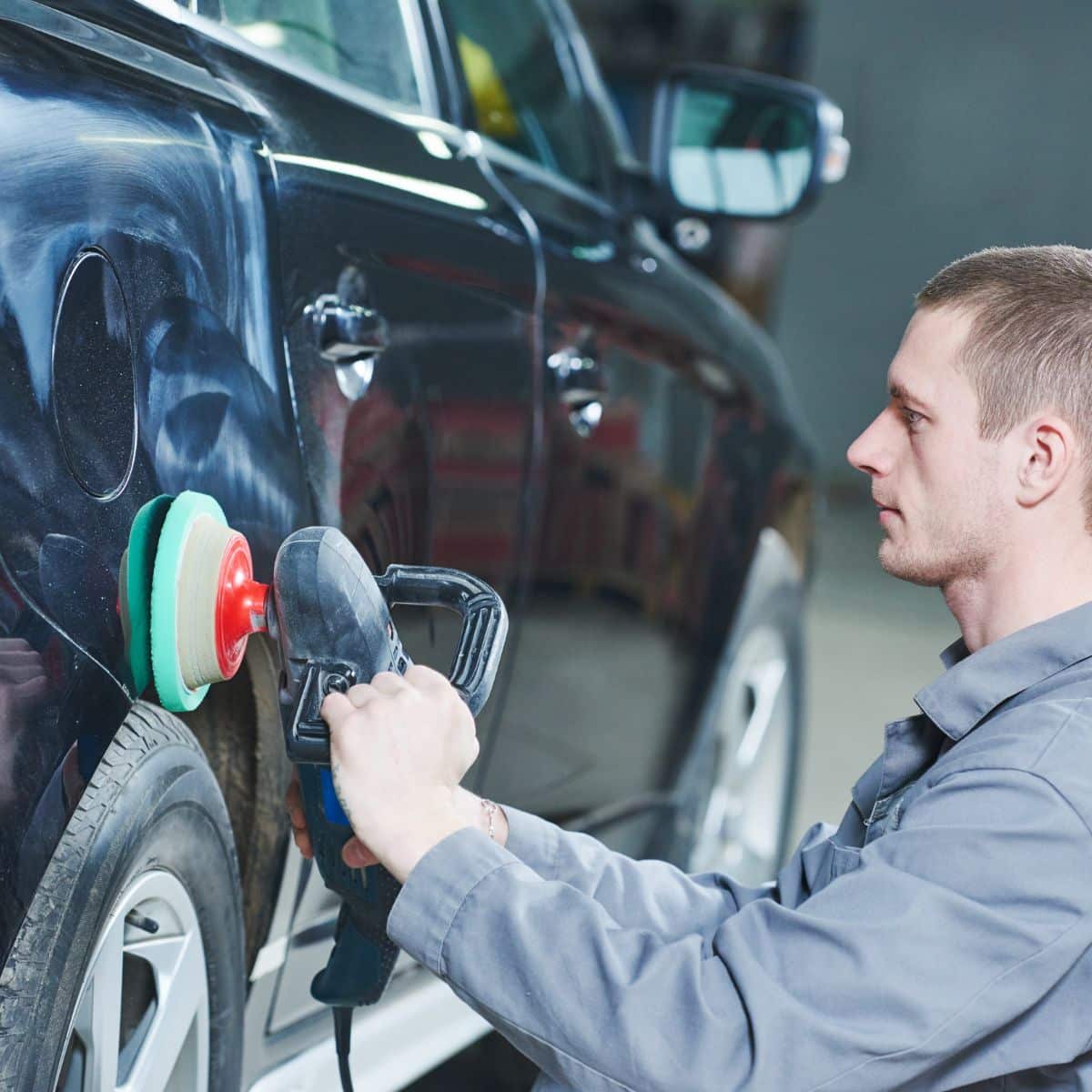
The easiest option is to pay for a service that has trained professionals. Car services have professionals who know how to buff, wax and polish a car.
Each car detailer charges different prices depending on their reputation and longevity. Moreover, the process of buffing could cost more depending on your car's condition.
If you want to pay a car detailer to take care of your car, you can expect to pay a few hundred dollars. Anywhere from $100-$300 is an average estimate.
Is Buffing Your Car Worth It?
Yes, buffing your car is worth it.
You might be wondering: why is it worth it or what is so important about it? There are many good aspects of buffing a vehicle if done the right way.
Some people might believe that washing a vehicle with soap and water is good enough. The truth is that soap and water will only go so far.
A car requires professional materials and tools to remove excess grime and scratches.
Buffing your car or hiring a detailer to do it will give your car that extra appeal. Buffing a car helps restore the vehicle’s original look. You can remove scratches and scuffs by filling them in. Headlights will look newer and shine brighter.
Buffing a vehicle is worth it and you should consider it!
How Much Does It Cost to Buff and Polish?
The cost of buffing and polishing a car will range. The total cost will be more or less depending on a professional detailer or self-service. You should consider a service because buffing a car and adding polish could be a difficult task.
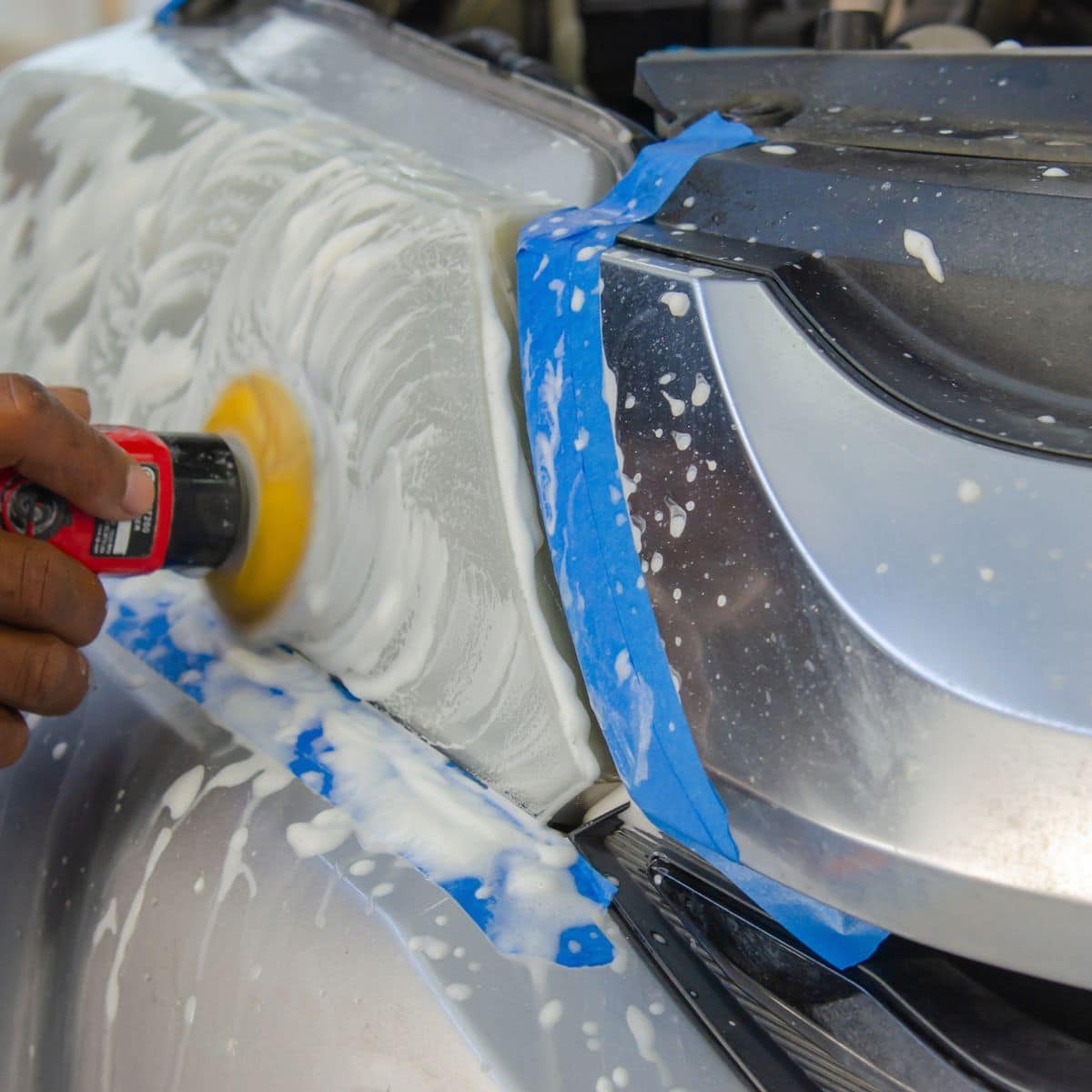
Buffing and polishing must have different touches and tools.
The buffing process entails adding cream to a cloth machine and rubbing away the tiny wind scratches and lines that appear on the paint. Polishing helps give your car extra appeal by adding shiny lines and swirls to the car’s appearance.
You can think of polish as a brushed finish to the vehicle’s exterior.
The total cost of a service will vary depending on the size of your car, the professionality of the service provider, and more. For an average car, you should expect to pay $100 - $200 for a buffing and polish service.
If you decide to take on the task yourself, you can expect costs to be lower or higher depending on the tools and materials you choose.
How Long Does a Buff Last on a Car?
To know how long a buff lasts on a car, we should understand how often a car needs buffing.
It is easy to assume that a car needs waxing, polishing, and buffing because it appears dirty. Appearing dirty doesn’t mean that the car’s shine Isn't there. The filth that covers the car is usually above the wax.
If you think your car needs a buffing job, you should wash the car. Once you wash the car, you can observe each side of the car to see where the wax has worn off.
Buffing your car too much can cause extra unwanted damage to it. The paint job could take a hit and the color could begin to fade. On top of that, the weather conditions around your car could cause it to need a new buff job more often.
Depending on your vehicle’s condition and environment, a fresh buff could last anywhere from 4 months to 1 year.
If you are unsure if the vehicle is ready for its next buffing, take it to a professional for their opinion.
How Much to Get a Car Buffed and Waxed?
Now that we have discussed the pricing of buffing and polishing a car, we should quickly touch on the initial price of waxing.
The simple answer is that the pricing is similar and will again depend from detailer to detailer. You can expect to pay anywhere from $50-$150 for a waxing service.
Remember, it is best to wax your vehicle after it has been through a buffing service, which can increase the cost of a service.
Final Thoughts: the Cost Of Buffing a Vehicle Varies Greatly
We have done a deep dive to provide reasons why buffing, waxing, and polishing are worth it.
Whether you want to buy the materials and tools yourself or hire a service, your vehicle will come out looking brand new. You can do the job yourself with the correct supplies and professional techniques.
The truth is that the self-service task isn’t the easiest. If you have extra money and want the highest outcome for your car’s exterior, consider a detailer. Buying the materials yourself could cost more in the long run.
In the end, no buffing, waxing, or polishing service is cheap. You should expect to pay upwards of a few hundred dollars for a high-quality service.
There is no clear definitive dollar amount for how much your next auto detailing service will cost.

Growing up I was a carefree male going about life like there was no tomorrow. Naturally, I ‘grew’ up, settled down and started a family.
Going from an independent carefree male to a family man was somewhat of a U-turn and required a lot of learning. Luckily for me, my wife works in education and has always been the shining light always ahead of me on all factors kids related.
Initially, my wife didn’t have a driving license (luckily this has now changed and it does make life easier), and all things car related were my task. Child locks were the obvious starting point which lead me down a rabbit hole.
So far we have personally tested dozens of convertible car seats and have owned five despite neither of our kids having reached the age of 5! Simply put, a car seat can be great on paper, work great on trying out but can fail on you in real life.
This is why I have put together this website – to help inform and educate you!
Of course, as I mentioned above, at the end of the day your experience will be the best test so I’d love to hear your experiences and feedback in the comments.
To contact me personally, please do so through my contact page.
I look forward to hearing from you!
Peter
P.S. If you click a link on my site and end up buying a car seat on Amazon, I’ll get paid a small commission (or as the Amazon lawyers put it: “As an Amazon Associate I earn from qualifying purchases”)
Leave a Reply