Central locking systems are found in a vast majority of cars today. Unfortunately, while it’s a very effective and impressive system, it doesn’t come without occasional problems.
If you find your car doors suddenly malfunctioning, you can guarantee it’s due to your central locking system. Within this system are numerous components that could cause your doors to malfunction.
It doesn’t take much for car door locks to suddenly become faulty. Several issues can cause them to break down.
These issues can range from minor problems to more significant problems that cost more. Luckily, most of these issues are easy fixes. They also aren’t too costly, depending on the labor & parts needed.
One common cause is an actuator. Also, worn wiring or a ruined door sensor are common culprits. Another cause could be how old your vehicle is.
Although you must take your car to the mechanic to identify the issue, it is always helpful to research and discover the cause yourself.
Here are seven reasons why your car keeps locking and unlocking itself:
1. The Key Fob is Damaged
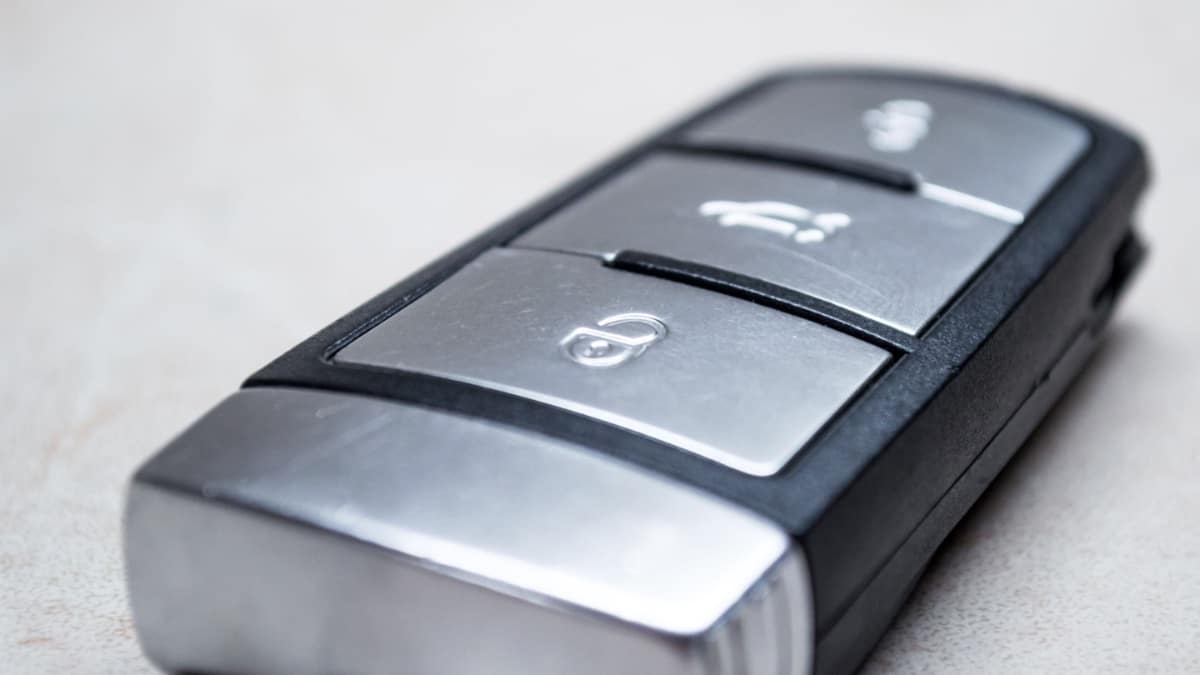
A dead or damaged key fob is a common problem with malfunctioning locks. Key fobs are always made for your car only.
If the fob stops working, then your car won’t unlock. Luckily, key fobs can be easily replaced and reprogrammed.
Sometimes you can even purchase a new key fob online. Otherwise, you can have a locksmith or a local mechanic replace or fix it.
2. Electrical Fuse is Blown
The electrical fuse within a car acts as a protector for all electrical components. If an issue arises that causes the circuits in the vehicle to become overcharged; the fuses will explode, thus shielding the car from severe damage.
If the fuse is blown, the lock systems can be disrupted. In addition, several small but impactful issues can include mechanical problems within the locks.
In such cases, dealing with blown fuses on your own is never a good idea. It’s always best to take your car to a local mechanic instead.
Tampering with blown fuses is extremely dangerous and can easily lead to more significant issues.
3. The Weather

Unfortunately, a car’s locking functions are not exempt from the impact of weather. If enough moisture or ice gets inside, it will cause it not to function correctly.
If the temperatures outside are cold enough, it can easily cause the car door frames to shrink or contract. The contraction causes an improper fit between the door and the lock.
It’s also important to note that cold weather can drain a car’s battery. If the battery is drained, then there’s no power to control the locks.
4. Worn Insulation
Car wires come designed with different types of insulation. If the insulation becomes worn, it usually causes the doors' electrical system to malfunction. This leads to a defect in door controls and your locks operating improperly.
5. Wires Are Broken
It would be nearly impossible for power locks to function if not for wiring. Therefore, if your locks aren't working correctly, there’s a huge chance they could be damaged.
The wires are a middleman between the car battery and the car's technical functions. For example, they help to send power from the battery to the car’s power lock functions.
If the wires become damaged or wear away, it affects the communication between the car battery and the mechanical functioning.
6. Broken Lock Actuator
The lock actuator plays a significant role in the car’s ability to lock and unlock. It works by translating an electrical current into movement with the car.
Once this signal is received, the car then locks or unlocks. If you have had your car for a while or if it’s used, you must have your actuator replaced.
Over time, the wires become worn out. These can cause issues like your power lock failing; your locks will make a very loud noise when engaged, and when the locks unlock and lock unpredictably.
These are all signs of a broken actuator that needs immediate replacement.
7. The Solenoid is Broken
A broken or damaged solenoid can cause your locks to get jammed, thus resulting in malfunctioning. A solenoid is a magnetic part that works by controlling the lock latch.
It pushes and pulls the lock in and out of the door when locking and unlocking your car. If the solenoid is broken, it can cause the locks to jam, improperly open and close, or a handle that can’t open.
The only way to get this fixed is by a professional since the solenoid is located inside the door; therefore, the door would need to be taken apart.
How Do I Stop My Car From Locking Itself?
Getting down to the root of the problem is the only solution to stopping the car from locking itself. Generally, locking issues are mechanical or electrical.
Therefore, getting your car inspected and fixed is the only way the issue will stop. But, unfortunately, problems like this will not go away on their own. So, rectifying it sooner than later is best to avoid further issues.
Do Car Doors Normally Lock Automatically?
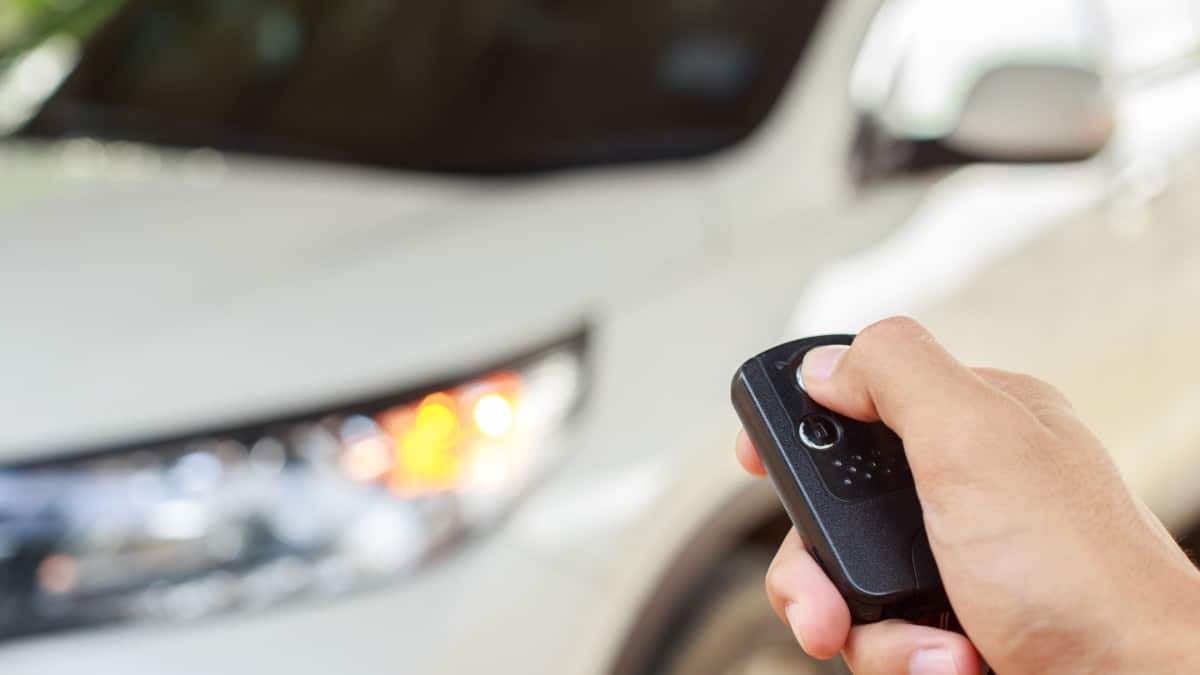
A lot of cars are equipped with an automatic lock function, but it's not a standard feature. The feature, as a whole, serves as an added layer of safety for vehicles.
The automatic lock function typically enables it during potentially dangerous situations. For example, doors will lock automatically when a particular speed is reached within the car.
Also, the doors may automatically lock if the car hasn’t been running for a specific time.
Can You Disable Automatic Door Lock Programming?
Yes, It is possible to disable automatic door lock programming.
Just ensure you follow each step accurately and carefully:
- If you have one, disable the perimeter alarm and close all the doors on your car.
- Place the key in the ignition and leave it on the “off” setting.
- Now switch the key to the “run” setting and press unlock thrice.
- Turn the key from “run” to “off.”
- Press unlock on the door lock three times.
- Place the key back into the ignition and turn it from “off” to “run.”
- Next, your horn will chirp, which is a signal that the locks have been disabled.
- Click the unlock button on your door once to switch the relock & unlock buttons to “on” and “off.”
- Now press the door lock button and listen for the sound.
- Turn the key to the “off” setting in the ignition one more time. This will exit the disable and enable mode.
- Lastly, the horn will chirp one more time for confirmation of the change.
Steps to Reactivate Automatic Locks
- Place the key into the ignition.
- Press the unlock button on the door three times.
- Switch the car off.
- Press unlock on the fob three times.
- Switch the car on.
- Listen for the horns' sound. This noise will indicate the process of programming has begun.
- Press the unlock button once, and then press the lock button once. The horn will sound two times which indicates the auto lock has been reactivated.
- Next, turn off the ignition and wait. You’ll want to wait a minute or so for a verification honk from the horn.
- Lastly, you want to ensure you test the locks. You can try it by seeing if the locks activate, after a certain amount of time, once the car is turned off. Stay inside the vehicle, and if the locks engage, the programming has been reactivated. Or, you can take it for a test drive and see if the locks are properly working.
Does Car Insurance Cover Lock System Damage?
Insurance coverage for lock issues usually is dependent on what caused the problem in the first place. If the cause is more natural, it likely won’t qualify for coverage.
For instance, if the wires have become worn out over some time then insurance won’t cover it. However, if a small animal managed to get inside and chew on the wires, your insurance may reimburse you.
It’s always best to speak with an agent to see if you qualify.
How Do You Fix Central Locking Problems?
It’s always best to speak with a trusted professional, such as your local mechanic, when it comes to central locking issues. Vehicle wiring systems are intricate and DIY repair can be costly.
Repair Costs
Repair costs vary but they are usually affordable depending on the underlying issue.

1. Solenoid Repair Cost
The cost to replace a solenoid depends on how much labor goes into replacing it. So, naturally, if the car is a very expensive model, it will cost more than a cheaper model.
For example, a sports car will cost much more than a Toyota sedan. Sports or exotic cars typically have more complex door design; therefore, the cost is higher.
Generally, a solenoid repair will cost between $200 and $700.
2. Lock Actuator Repair Cost
There are quite a few parts involved in lock actuators operating successfully. Most of the time, the cost is around $200; however, there are a few factors that easily drive up that cost.
The make and model can quickly drive the price up to $700. The good news is you’re still able to open the door if your actuator goes out manually.
Therefore, it’s not entirely an emergency fix, but of course, it’s always best to get it fixed as soon as you can instead of waiting.
3. Wiring and Fuse
The cost of a wiring fuse repair depends on how damaged the wires are.
On average, a fuse repair runs from $100 to $150 for one single fuse. However, the wiring could cost between $1200 and $1500.
4. Key Fob
There are two ways you can have your key fob repaired. One way is by taking it to the mechanic and having it programmed again.
The cost of parts for a new key fob runs between $100 and $450. However, it typically takes an hour or two to have them fixed and programmed.
The cost of labor runs between $50 and $400.
It helps to have a spare key fob on hand in the event another gets broken or damaged.
Spare key fobs typically cost less and allow you to have access to your vehicle still. The second way to have a fob repaired is to do it yourself.
DIY Fob Repair
A DIY key fob requires a programmable key fob made for the make and model of your car. For the DIY, the parts run for the same amount as they would for a mechanic; between $100 and $450.
In terms of difficulty, whether you are a beginner or advanced, it’s possible to do it on your own. This option is fantastic for those who may not be able to afford to have it repaired.
Luckily, key fobs typically come equipped with instructions on how to program them. But, again, this option is only available depending on your car’s make and model.
Benefits of a Central Lock System
Although a central lock system can malfunction and can certainly come with problems in the long term, there are some great benefits to having this kind of system.
Central locking systems are safer.
You can choose from a keyless or remote entry.
They provide extra safety when cars reach a certain speed.
You can connect a central lock system to your smartphone, which provides exclusive access.
It’s challenging to duplicate the main key fob since they are one of a kind. They are also made with encryption.
With one press of a button, all doors will lock and unlock all at once.
Another great benefit of central locking systems is there are two types: selective and conventional.
The selective system allows you to control your doors separately. You can select and unlock whichever door you need individually.
The conventional system allows you to unlock your doors depending on the distance. This system also typically features a panic button in case of an emergency. This system even unlocks doors automatically in the event of an accident.
The only downside to central locking systems is what could happen if you leave your keys inside your car. Some cars only alert you if your keys are no longer in the ignition.
Others don’t alert at all unless the door has been locked with the key. Despite this, central locking systems are very convenient and serve a helpful purpose for every car.

Growing up I was a carefree male going about life like there was no tomorrow. Naturally, I ‘grew’ up, settled down and started a family.
Going from an independent carefree male to a family man was somewhat of a U-turn and required a lot of learning. Luckily for me, my wife works in education and has always been the shining light always ahead of me on all factors kids related.
Initially, my wife didn’t have a driving license (luckily this has now changed and it does make life easier), and all things car related were my task. Child locks were the obvious starting point which lead me down a rabbit hole.
So far we have personally tested dozens of convertible car seats and have owned five despite neither of our kids having reached the age of 5! Simply put, a car seat can be great on paper, work great on trying out but can fail on you in real life.
This is why I have put together this website – to help inform and educate you!
Of course, as I mentioned above, at the end of the day your experience will be the best test so I’d love to hear your experiences and feedback in the comments.
To contact me personally, please do so through my contact page.
I look forward to hearing from you!
Peter
P.S. If you click a link on my site and end up buying a car seat on Amazon, I’ll get paid a small commission (or as the Amazon lawyers put it: “As an Amazon Associate I earn from qualifying purchases”)
I found your article on why my car keeps locking and unlocking itself very helpful – however – I finally discovered yet another reason this can happen. I quickly opened a door as soon as it unlocked, so I could see my dashboard. My battery had gone almost completely flat (lights left on, I think). As soon as we recharged the battery everything was back to normal. It’s only happened once, but I’m fairly sure this was the reason – it all tied together.